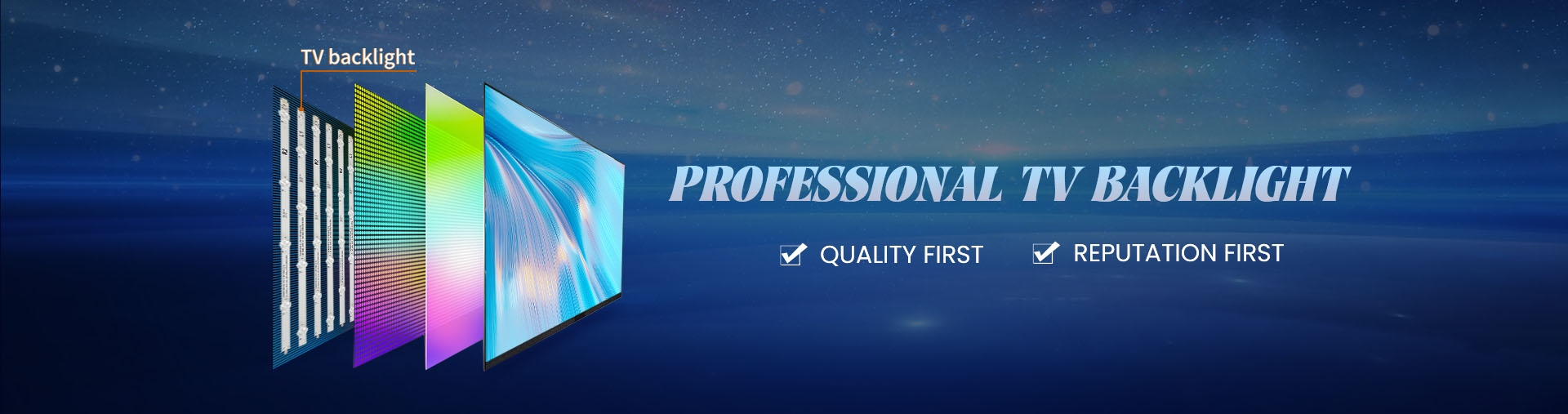
Backlight failure is one of the most common problems encountered in modern TVs and commercial display panels. When the screen goes dark but audio continues, or when part of the display appears dim, consumers and business users often face a difficult decision: repair the backlight system or replace the entire panel. Understanding the technical differences, cost implications, and long-term performance outcomes helps you make an informed choice that protects your budget and maintains display quality.
Understanding What Backlight Failure Really Means
Backlight issues typically result from LED strip degradation, inverter board malfunction, or power-supply instability. Because the LCD panel relies entirely on backlighting to produce visible images, a failure in this subsystem can mimic the appearance of a total screen failure. In reality, the display matrix may still be intact. This distinction is important because replacing an entire panel often costs more than half the price of a new display, while repairing the backlight assembly can be significantly more economical.
Modern displays use LED configurations ranging from edge-lit systems to full-array direct LED assemblies. Each design influences repair complexity, thermal performance, and long-term durability. In commercial environments with extended daily operation, LED fatigue can occur faster, making preventive maintenance and quality component replacement essential.
Cost Comparison: Backlight Repair vs. Panel Replacement
A practical way to evaluate your choice is by comparing typical costs, service time, and expected lifespan after repair. The table below summarizes general benchmarks based on market trends.
| Option | Average Cost Range | Service Time | Expected Lifespan After Service |
|---|
| Backlight Repair | Low to moderate | Short | 2–5 years depending on LED quality |
| Panel Replacement | High | Longer | Comparable to new display lifespan |
| Buying a New Unit | Highest | None | Full product life cycle |
The financial difference is usually significant. Backlight repairs often require only the replacement of led strips or drivers, which cost far less than a new panel. Full panel replacements, however, involve high material and labor cost because the panel is the single most expensive component in the entire display.
When Backlight Repair Makes the Most Sense
Backlight repair is practical in many cases where the LCD matrix remains undamaged. Users may notice flickering brightness, shadows on one side, or sudden blackouts. These symptoms commonly point to LED strip failures. Since high-quality replacement strips and drivers can restore brightness uniformity and performance, repair is a feasible and cost-saving choice.
This route is ideal for commercial displays used in retail, transportation hubs, manufacturing dashboards, and digital signage networks. These installations often require predictable maintenance cycles rather than full replacement each time an LED component fails. Working with reliable component suppliers such as Starsharp ensures that replacement LEDs and drivers match the original performance specifications, resulting in consistent brightness, improved thermal stability, and longer life after repair.
When Panel Replacement Is the Better Option
Panel replacement may be necessary when the interior LCD layer is compromised. Physical damage, liquid intrusion, pressure marks, and pixel-line failures typically cannot be resolved by backlight repair alone. In these situations, replacing the panel is the only effective solution.
For high-end displays with specialized color requirements or advanced panel technology, users sometimes opt for panel replacement to maintain visual performance without transitioning to a completely new unit. However, the decision should be weighed carefully since the cost may exceed the value of the display itself.
Technical Considerations Before You Decide
Several technical factors should be evaluated before choosing between repair or replacement:
Severity of Damage
If the screen is intact and only the backlight has failed, repair is almost always the more economical choice. Physical cracks or liquid damage to the LCD layer require panel replacement.
Operating Environment
Displays used in high-temperature or continuous-use environments are more prone to LED fatigue. Upgrading to higher-quality thermal-resistant led strips during repair can extend service life.
Energy Efficiency
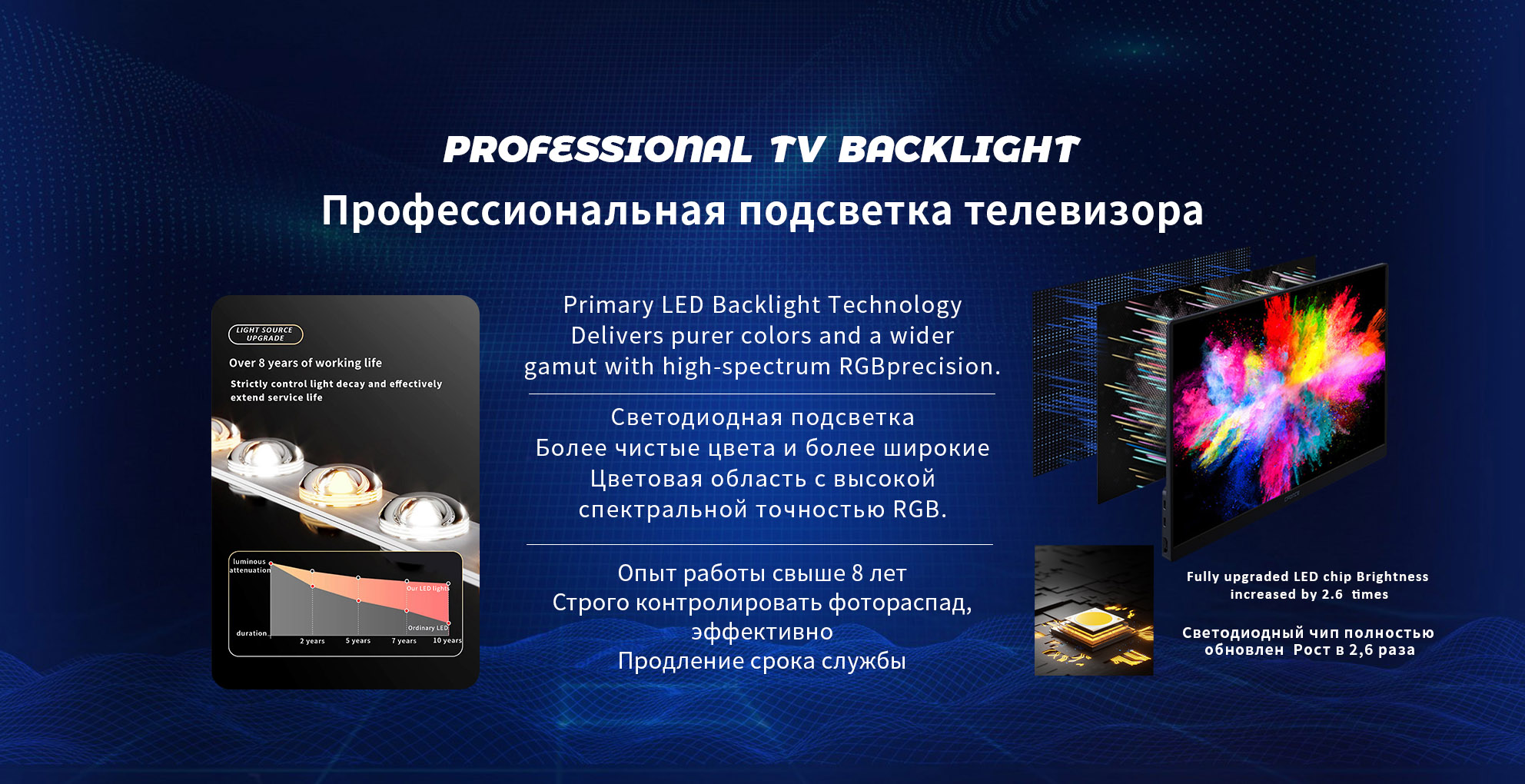
Newer led strips often provide better efficiency compared to older models. Repairing the backlight with modern components may reduce power consumption and improve brightness consistency.
Spare Parts Availability
For older display models, panels may no longer be manufactured. In such cases, backlight repair becomes the only practical option to extend product use.
Long-Term Budget Planning
Commercial installations with many displays typically benefit from repair-first strategies to control costs and maintain consistent operation.
The Value of Using High-Quality Replacement Components
When repairing backlight systems, the quality of replacement LEDs, drivers, and light-guiding components plays a critical role. Low-quality parts introduce uneven brightness, color shift, and shorter service life. Suppliers like Starsharp provide stable, high-performance optical components that meet industrial requirements for reliability and precision, making them a trusted option for technicians and display manufacturers.
Using dependable components also reduces future maintenance cycles, enhances thermal stability, and maintains uniform luminance across large-format displays.
Conclusion: Repair First, Replace Only When Necessary
In most cases, repairing backlight issues is the smarter and more cost-effective option, especially when the LCD panel is still structurally sound. Panel replacement should be reserved for severe damage or situations where visual performance demands justify the higher cost.
By choosing quality replacement components and experienced service partners, you can extend the life of your display system while maintaining performance and reducing operational expenses. For those seeking reliable Led Backlight Strips, drivers, or optical components, Starsharp offers solutions designed for durability, uniformity, and professional display applications.