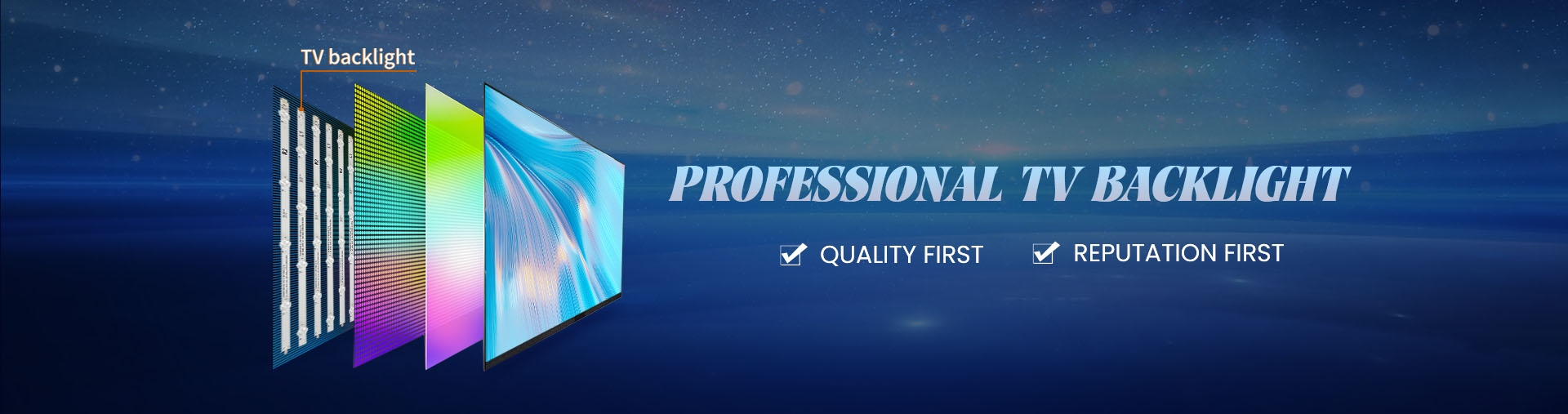
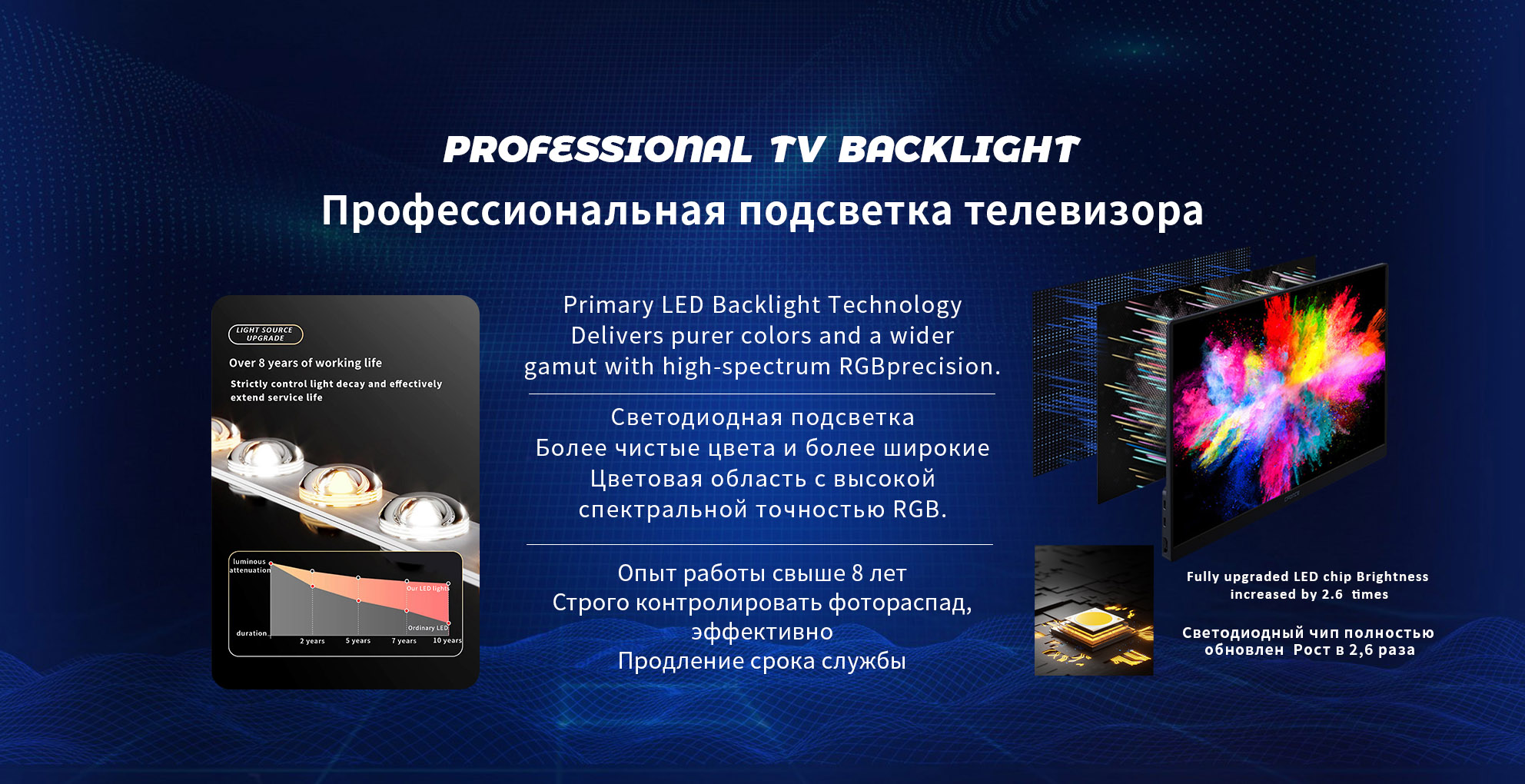
Backlight bleeding is a common display concern in LED televisions and monitors, occurring when light escapes around the edges of the screen and becomes visible during dark scenes. Many users notice it when watching movies at night or when a solid black background is displayed. Although some minor adjustments can reduce the visibility of this effect, resolving severe or structural backlight bleeding requires more than quick fixes. Understanding what you can and cannot repair yourself helps prevent additional damage and ensures a longer service life for your display.
What Backlight Bleeding Is and Why It Happens
Backlight bleeding appears due to uneven pressure, panel structure variances, or manufacturing tolerances within the display. Since LED screens rely on a backlight behind the LCD layer, any misalignment or loosened frame components can allow light to leak through unintended areas. This issue becomes more noticeable in low-light environments or when the TV displays high-contrast images. While minor variations are typical in many displays, excessive bleeding can interfere with the viewing experience and may signal a deeper hardware issue.
What You Can Try at Home
Some users attempt small adjustments to minimize the effect. These techniques do not repair the panel but can reduce visible bleeding in certain situations.
Changing Picture Settings
Lowering brightness, adjusting contrast, or switching to a movie or cinema mode helps decrease the amount of light output. This makes the bleeding less noticeable and can improve viewing comfort in dark rooms.
Improving Ambient Lighting
Adding a soft backlight behind the TV reduces the perceived contrast between bright and dark areas on screen. This does not solve the root cause but can make the artifact less distracting.
Gently Tightening Screws
Slight pressure imbalances may occur if the frame screws on the TV become too loose. Carefully tightening them can sometimes slightly reduce the effect. Use caution because overtightening may worsen the issue or damage the panel.
These user-level adjustments offer only limited improvement. They do not correct issues caused by warped frames, uneven panel layers, or defective backlight diffusion sheets.
When Professional Service Is Necessary
Major backlight bleeding usually indicates a structural problem inside the display assembly. These problems require specialized tools and technical knowledge to diagnose and repair. Professional technicians can measure panel uniformity, inspect backlight modules, and evaluate whether the TV’s optical layers are misaligned. Attempting to disassemble a modern display without proper expertise risks cracking the panel, damaging the led strips, or voiding the warranty.
Manufacturers and experienced technicians are equipped to replace faulty components or verify if the issue qualifies for warranty service. In many cases, severe bleeding is considered a hardware defect, especially when it is immediately noticeable on a new screen. Professional evaluation ensures the correct solution is applied without compromising the device.
Cost and Replacement Considerations
Although repair may be possible, replacing the display module is sometimes the most reliable solution for large or premium televisions. Backlight assemblies are often integrated with diffusion layers and panel structures, making partial repairs difficult. The cost of module replacement varies depending on the screen size and model. For older displays, investing in a new unit with improved panel technology may offer better overall performance and energy efficiency.
If you are purchasing a new TV, choosing a reputable manufacturer with strong quality control helps minimize the risk of receiving a unit with severe bleeding. Brands that specialize in display engineering also tend to offer better panel uniformity and after-sales support. Companies such as Starsharp provide well-designed commercial and household display solutions, making them a reliable option for users seeking durable and visually consistent screens.
Tips to Reduce the Issue When Using Your Display
Even after professional assessment or adjustment, adopting good usage habits can help keep the problem from becoming worse over time.
Avoid placing the TV in areas with high heat or humidity.
Do not press on the screen surface, as this can warp the layers.
Ensure the display is mounted or placed on a stable, level surface.
Use factory-recommended cleaning methods to prevent pressure damage.
Activate local dimming or other brightness-control functions if supported.
These steps enhance the viewing experience and maintain the optical stability of the panel workflow.
Summary
Minor backlight bleeding can often be managed with simple picture adjustments or environmental changes, but major bleeding is typically a hardware-related issue that requires professional attention. Attempting deep repairs at home may worsen the problem or damage the panel. For serious uniformity concerns or display replacement, seeking assistance from qualified technicians or choosing products from solid manufacturers such as Starsharp ensures better long-term performance and reliability.