Local dimming is an advanced backlight control technology used in many LED televisions to improve contrast and visual clarity. Traditional LED displays illuminate the entire screen with a uniform backlight, which can cause darker scenes to appear washed out or uneven. Local dimming solves this by dividing the backlight into multiple zones that can brighten or dim independently. When used effectively, this feature enhances picture depth and reduces the visibility of common backlight-related problems.
How Local Dimming Works
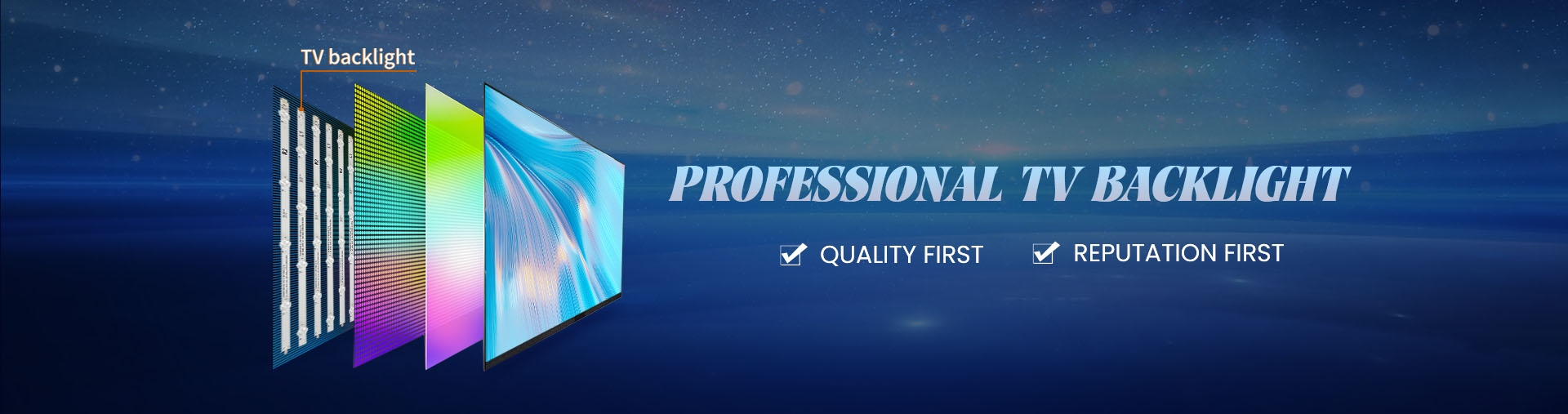
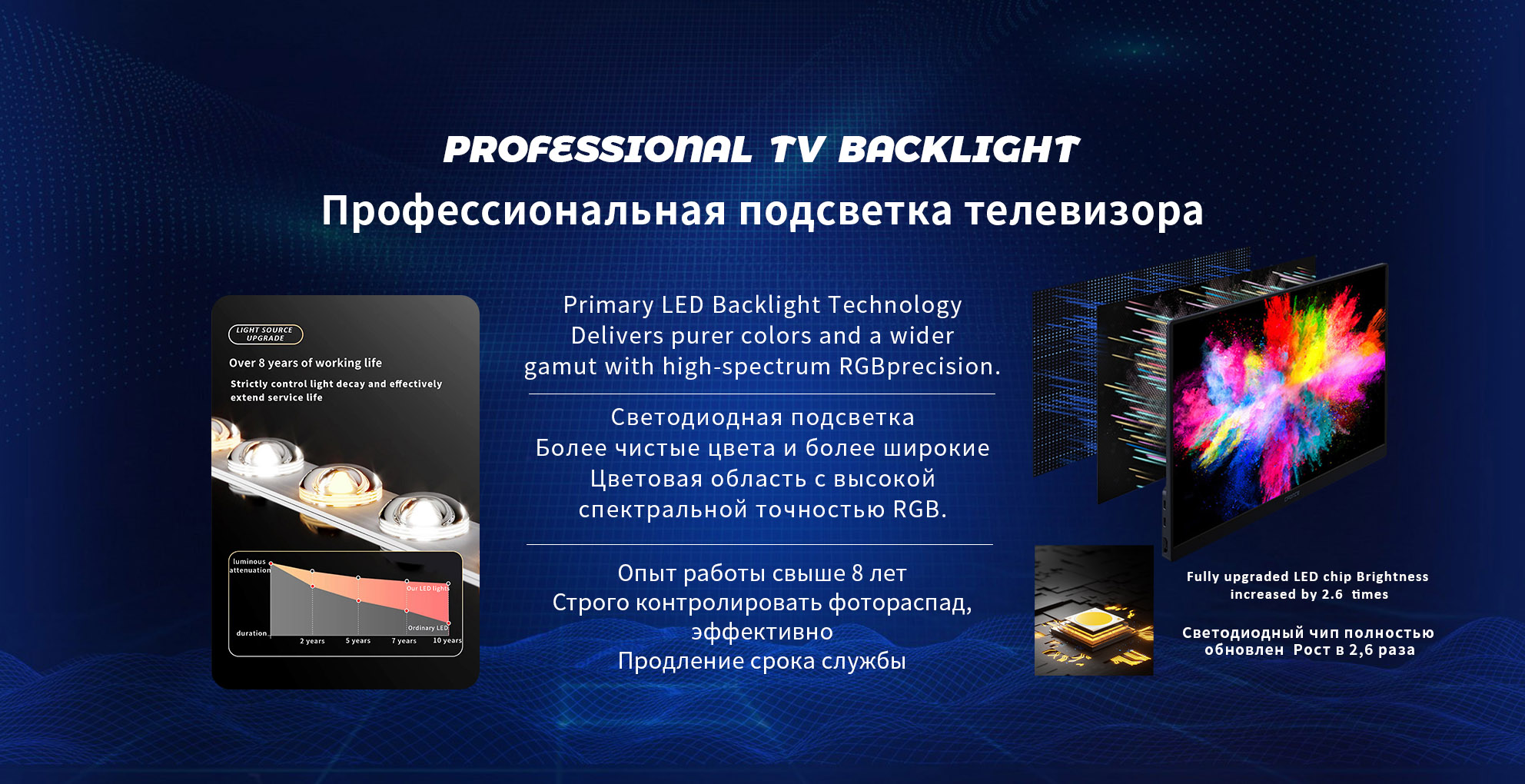
Local dimming operates by segmenting the led backlight behind the LCD panel into individual regions. Each of these zones responds dynamically to the on-screen content. When a scene includes bright and dark elements together, the zones behind the bright areas stay illuminated while the zones behind darker elements are dimmed. This dynamic adjustment allows the TV to produce richer blacks and maintain detail in highlights without overexposing other sections of the image.
Different TVs implement this feature with varying levels of precision. Some rely on a limited number of large zones, while others use many small zones for more accurate light control. More zones typically produce better results, but the quality of the algorithm also plays a significant role in overall image performance.
How Local Dimming Helps With Backlight Issues
Backlight bleeding, clouding, and halo effects stem from the limitations of uniform led backlights. Local dimming reduces the visibility of these issues by decreasing light output where it is not needed. When the dimming zones lower their brightness in dark areas, less stray light leaks through the LCD panel, making inconsistencies less noticeable. This improves the depth of shadows and enhances overall contrast, especially during nighttime viewing.
Although local dimming does not eliminate hardware imperfections such as panel gaps or structural inconsistencies, it minimizes their impact. It also enhances the perception of image uniformity and reduces the strain caused by overly bright dark scenes.
Types of Local Dimming and Their Performance
The effectiveness of local dimming varies based on the backlight architecture. Below is a simplified comparison of common configurations:
| Local Dimming Type | Backlight Placement | Performance Summary |
|---|
| Full-Array (FALD) | LEDs placed behind the entire panel | Best contrast and uniformity; ideal for minimizing backlight bleed |
| Edge-Lit Dimming | LEDs placed along screen edges | Offers noticeable improvements but limited precision |
| Global Dimming | Whole backlight dims at once | Improves dark scenes slightly but does not address uniformity |
Full-array systems deliver the most accurate control, while edge-lit designs provide moderate benefits. Global dimming is the least precise but still helps reduce brightness in dark scenes.
Enhancing the Viewing Experience With Local Dimming
When properly calibrated, local dimming can significantly improve picture quality. Using the correct TV mode, adjusting black level settings, and enabling local dimming where supported all contribute to better performance. Many users find that the feature reduces distractions during dark scenes and provides more cinematic image depth.
If you are selecting a television for environments where high contrast and clean dark scenes matter, displays engineered with strong dimming performance offer a clear advantage. Manufacturers such as Starsharp provide solutions designed for demanding commercial and household environments, delivering consistent lighting control and enhanced image performance.
Conclusion
Local dimming allows a TV to control its backlight in individual zones, improving contrast and reducing the visibility of backlight inconsistencies. It is one of the most effective features for addressing issues such as backlight bleeding, clouding, and washed-out blacks. While not a complete fix for hardware-related panel issues, it provides a noticeable improvement in everyday viewing and helps create a more immersive and comfortable visual experience.