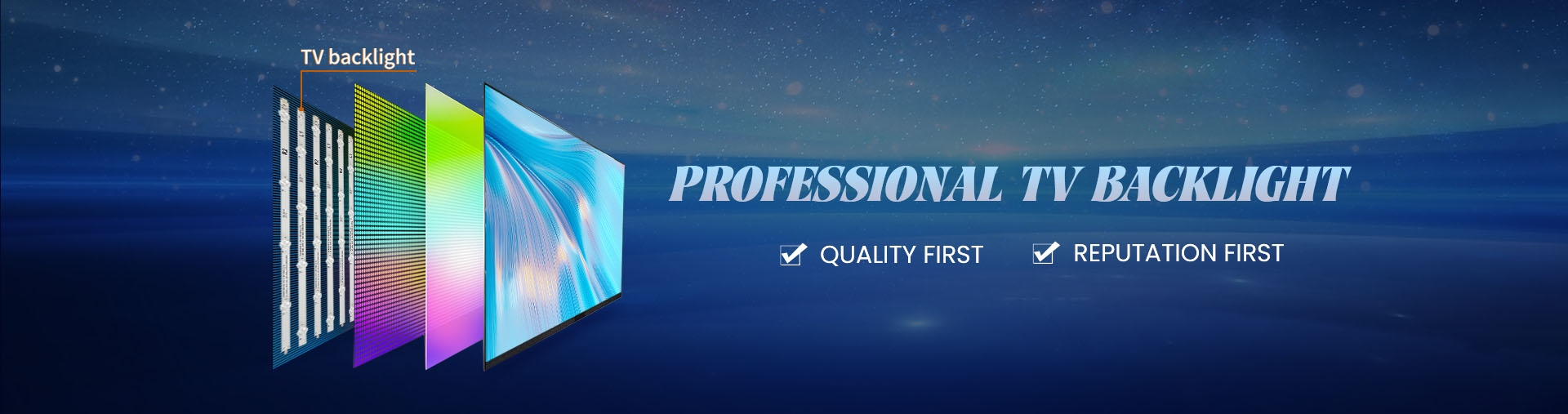
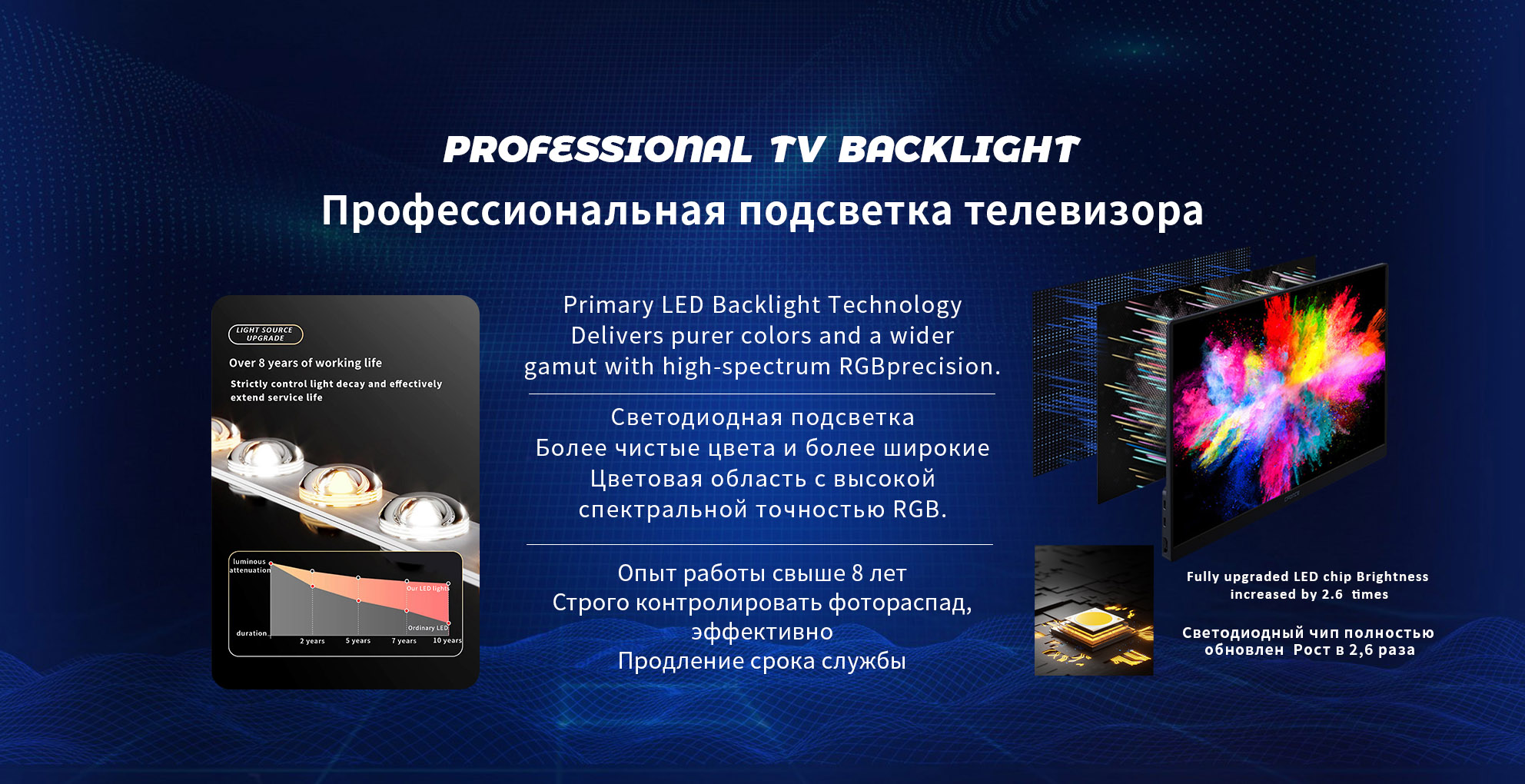
led backlight failure is a common issue in modern displays, including televisions, monitors, and commercial signage screens. Although LED technology is known for its durability and energy efficiency, several internal and external factors can shorten its service life. Understanding these causes helps users maintain their equipment more effectively and avoid unnecessary downtime. It also offers manufacturers and commercial buyers valuable insights when choosing reliable display partners. In this context, working with experienced suppliers such as Starsharp, who invest in stable components and strict quality control, can significantly improve long-term display performance.
Common Technical Causes of LED Backlight Failure
Overheating and Poor Heat Dissipation
LEDs generate heat during operation, and insufficient heat dissipation is one of the primary reasons for backlight degradation. When heat accumulates, it accelerates phosphor decay and weakens solder joints inside the LED strip. Over time, this leads to brightness drops, color shifts, and eventual LED burnout. Modern display systems use aluminum substrates, thermal pads, and ventilation structures to reduce heat buildup, but dirt, blocked vents, or long hours of high-brightness operation can still cause temperature spikes.
Power Supply Instability
Backlight LEDs rely on constant-current drivers for stable output. When the driver circuit becomes unstable due to aging components, voltage fluctuations, or poor transformer quality, the LEDs may receive irregular power. This causes flickering, partial strip failures, or sudden complete shutdown. Constant exposure to unstable voltage also stresses the LED chips, reducing their lifespan.
Moisture and Environmental Damage
Humidity is a silent threat to LED backlight systems. Moisture can penetrate the panel, leading to corrosion on LED pads and driver boards. Even slight condensation can cause oxidation, resulting in dark spots, partial rows failing, or intermittent lighting. Displays used in kitchens, outdoor areas, production workshops, or high-humidity climates require robust sealing and moisture-resistant components to maintain stable backlight performance.
Aging of LED Chips
While LED chips have relatively long lifespans, they naturally degrade over time. Phosphor layers wear out, reducing brightness and consistency across the panel. If the LEDs are low quality or operated at higher-than-recommended brightness levels, aging accelerates. This leads to uneven illumination, often visible as dim corners, bright patches, or shadow-like bands across the screen.
Physical Damage or Manufacturing Defects
Mechanical stress during assembly, transportation, or usage can damage led strips or connectors. Bending, twisting, or dropping a display may loosen solder joints or crack PCB tracks. Even minor damage can cause sections of the backlight to fail. Poor manufacturing—such as uneven solder application or inconsistent LED binning—also contributes to premature failure.
Indirect Factors That Contribute to Backlight Failure
Excessive Brightness Settings
Running a display at maximum brightness for long periods accelerates LED wear. High brightness increases thermal output, which speeds up chip degradation. Many backlight failures occur in commercial environments where screens are set to maximum luminance around the clock.
Dust Accumulation
Dust buildup blocks ventilation and reduces heat dissipation efficiency. In some cases, dust can even enter the backlight system itself, reducing reflectivity and creating perceived dim areas. Regular cleaning and proper air filtration help maintain stable operation.
Driver Board Component Wear
Backlight systems rely on several components—capacitors, MOSFETs, resistors, and transformers. Over time, thermal stress causes these components to age, resulting in reduced efficiency or failure. A single worn capacitor can trigger flicker or partial shutdown of the led strips.
The Role of Calibration in Preventing Backlight Failure
Professional calibration ensures that a display operates within safe performance thresholds. Calibration adjusts backlight intensity, contrast, gamma, and color settings to reduce stress on LED components while delivering accurate image quality.
Well-calibrated systems maintain optimal brightness levels, avoid unnecessary voltage loads, and enhance uniform light distribution. For businesses that rely on long-term screen performance, partnering with display manufacturers like Starsharp—known for high-precision calibration and robust engineering—helps extend backlight lifespan and ensures consistent visual quality.
Practical Tips to Reduce Backlight Failure
To achieve long-lasting LED backlight performance, users and commercial operators can follow several maintenance practices:
Keep brightness at moderate levels for daily use.
Ensure proper airflow around the display.
Clean ventilation areas regularly.
Avoid exposing displays to high humidity.
Use voltage stabilizers or surge protectors.
Schedule periodic calibration for color and backlight accuracy.
Choose displays from manufacturers with strong component standards and quality control.
Example Table: Key Failure Causes and Their Impact
| Cause | Impact on Backlight | Typical Symptoms |
|---|
| Overheating | Accelerates LED aging | Dimming, color shift |
| Power instability | Circuit stress and burnout | Flickering, sudden shutdown |
| Moisture | Corrosion and oxidation | Dark spots, partial failure |
| Chip aging | Reduced luminance | Uneven brightness |
| Mechanical stress | Broken joints or strips | Rows not lighting |
Choosing Reliable LED Display Solutions
Backlight longevity depends not only on usage habits but also on the engineering quality of the display itself. Choosing a supplier with expertise in LED modules, driver design, and thermal management is essential. Starsharp integrates stable LED backlight systems, precision calibration, and strict manufacturing controls, making it a strong choice for global buyers seeking durable and high-consistency display products.
A well-engineered LED system can operate for years, delivering stable brightness, uniform illumination, and reduced maintenance costs. By understanding the causes of backlight failure and choosing high-quality solutions, users can significantly extend the life of their screens and protect their investment.