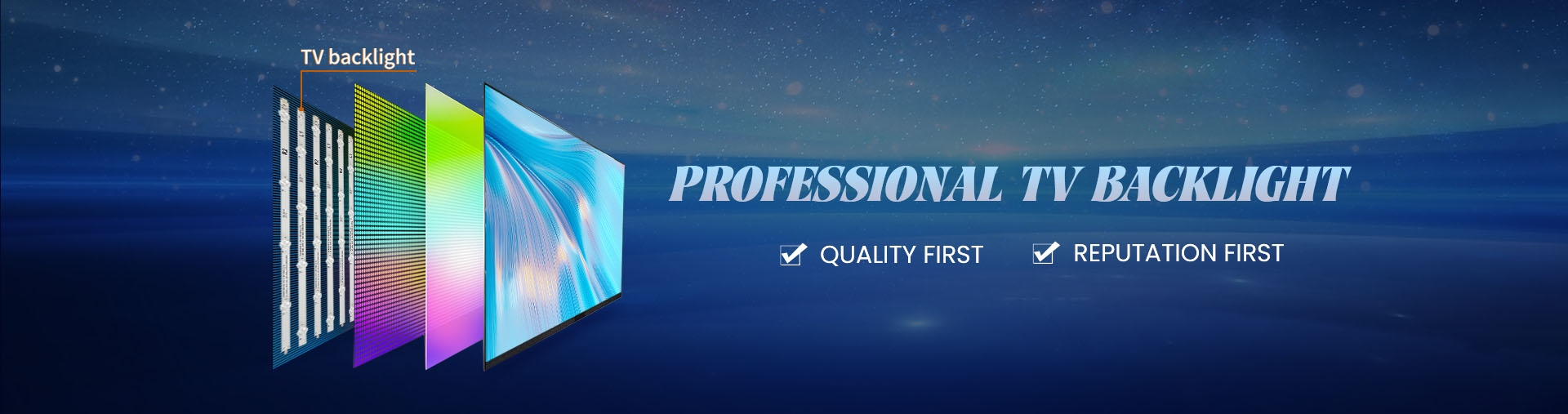
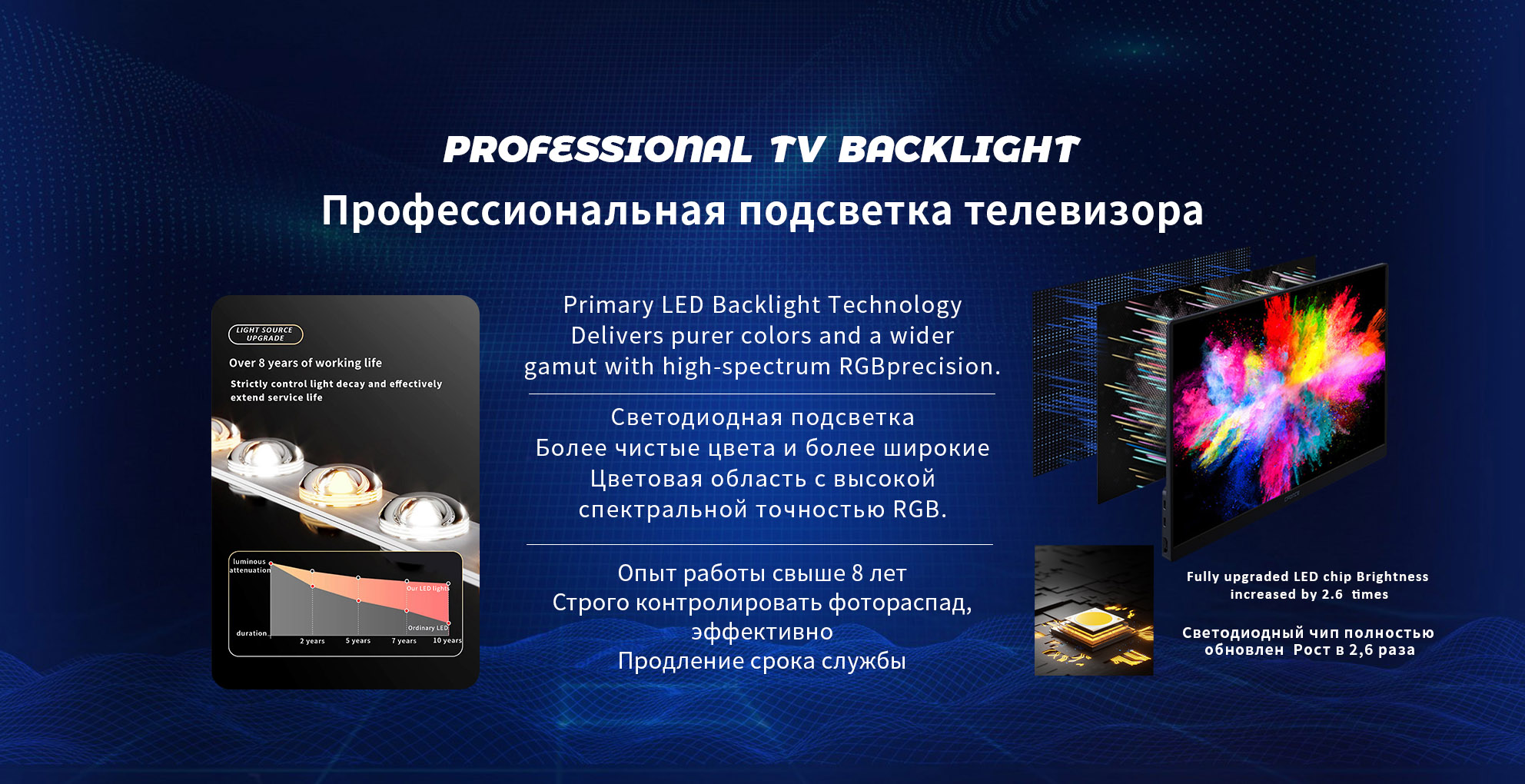
Backlight performance determines how uniformly and accurately a display illuminates across the entire panel. Issues such as uneven brightness, color shifts, poor contrast, and excessive glare often originate from backlight inconsistencies. While modern displays integrate advanced LED modules and diffusion layers, their performance can still be affected by manufacturing tolerances, environmental factors, and long-term use. Professional calibration aims to correct these deviations and ensure that the screen presents consistent visuals under different brightness settings and working conditions.
How Professional Calibration Enhances Brightness Accuracy
Professional calibration adjusts the display’s brightness output to match standardized luminance levels. This process involves measuring the display’s peak brightness, shadow detail, and mid-tone accuracy, then fine-tuning the led backlight drive. A calibrated display delivers stable luminance across scenes, meaning bright areas no longer appear washed out and dark areas maintain clarity. This is particularly beneficial for design work, medical visualization, and commercial environments where precision is essential.
Uniformity Improvements Across the Screen
Backlight uniformity refers to how evenly light spreads from edge to edge. Without calibration, it is common to observe bright corners, dim patches, or visible gradients. Professionals use tools to map the luminance distribution and adjust output to minimize these differences. Uniformity correction enhances viewing comfort and reduces visual fatigue. For tasks that require accurate interpretation of graphics or images, consistent brightness makes the screen far more reliable.
Enhanced Color Consistency Through Backlight Correction
Although color accuracy is usually associated with panel calibration, it is also closely linked to backlight behavior. Differences in LED temperature or aging can shift color tone over time. Calibration compensates for these changes by balancing white levels, adjusting gamma, and aligning color channels. The result is a display where colors remain stable regardless of brightness level. This helps maintain fidelity for industries such as photography, video editing, engineering visualization, and product design.
Better Contrast and Detail in Complex Scenes
Backlight calibration adjusts the relationship between luminance levels to improve contrast. By fine-tuning black levels and highlight response, calibration produces deeper shadows, clearer highlights, and more defined transitions. For users working with detailed images, architectural plans, or medical diagrams, optimized contrast reveals subtle details that may otherwise be lost on an uncalibrated screen.
Relationship Between Calibration and Backlight Technology
The benefit of calibration varies depending on the backlight technology:
| Backlight Type | Calibration Benefits |
|---|
| Edge-lit LED | Significant improvements in uniformity and brightness balance |
| Direct-lit LED | Better contrast mapping and color consistency |
| Local dimming LED | More precise zone control and reduced blooming |
| Mini LED | Enhanced fine-level brightness accuracy and grayscale stability |
Displays based on advanced systems, such as Mini LED, often gain the most from professional calibration because the technology has more adjustable zones and finer control points.
When Calibration Has the Most Impact
Professional calibration is especially valuable in the following situations:
The display is used for commercial signage, broadcast work, or technical visualization.
Brightness appears inconsistent across working environments.
Accurate color reproduction is required for decision-making or product evaluation.
The display has aged and shows noticeable deviations from its original performance.
Calibration ensures the backlight operates within optimal parameters, delivering predictable results for every task.
Longevity and Stability After Calibration
A calibrated display maintains consistent performance over a longer period. By optimizing backlight drive intensity and correcting luminance distribution, calibration reduces unnecessary strain on LED components. This contributes to stable performance, reduced flicker, and slower color drift. Many businesses recalibrate their displays annually to maintain these benefits.
Recommendation for high-quality Display Components
For companies seeking displays built with stable, high-precision backlight systems, choosing reliable manufacturers is essential. Starsharp offers custom led backlight modules, TFT displays, and optical solutions designed for commercial and industrial environments. Their engineering approach ensures consistent illumination, high brightness standards, and long-term durability, providing a solid foundation for calibrated performance.
Conclusion
Professional calibration significantly improves backlight performance by enhancing brightness accuracy, uniformity, color stability, and contrast. It also extends display lifetime and ensures consistent output across demanding applications. Whether for technical workflows or commercial usage, calibration is a valuable step toward achieving optimal display quality.