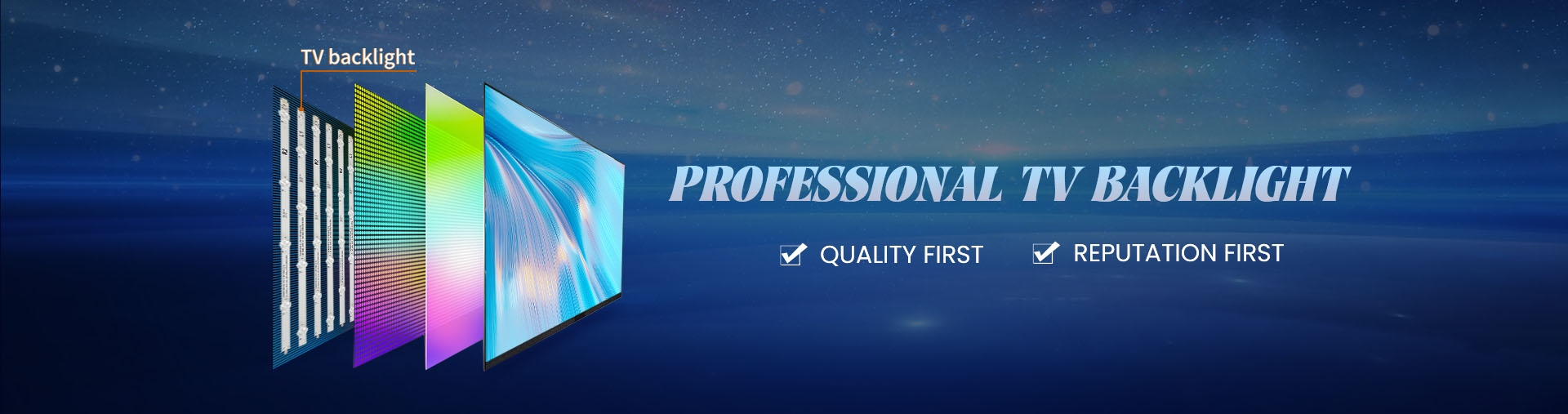
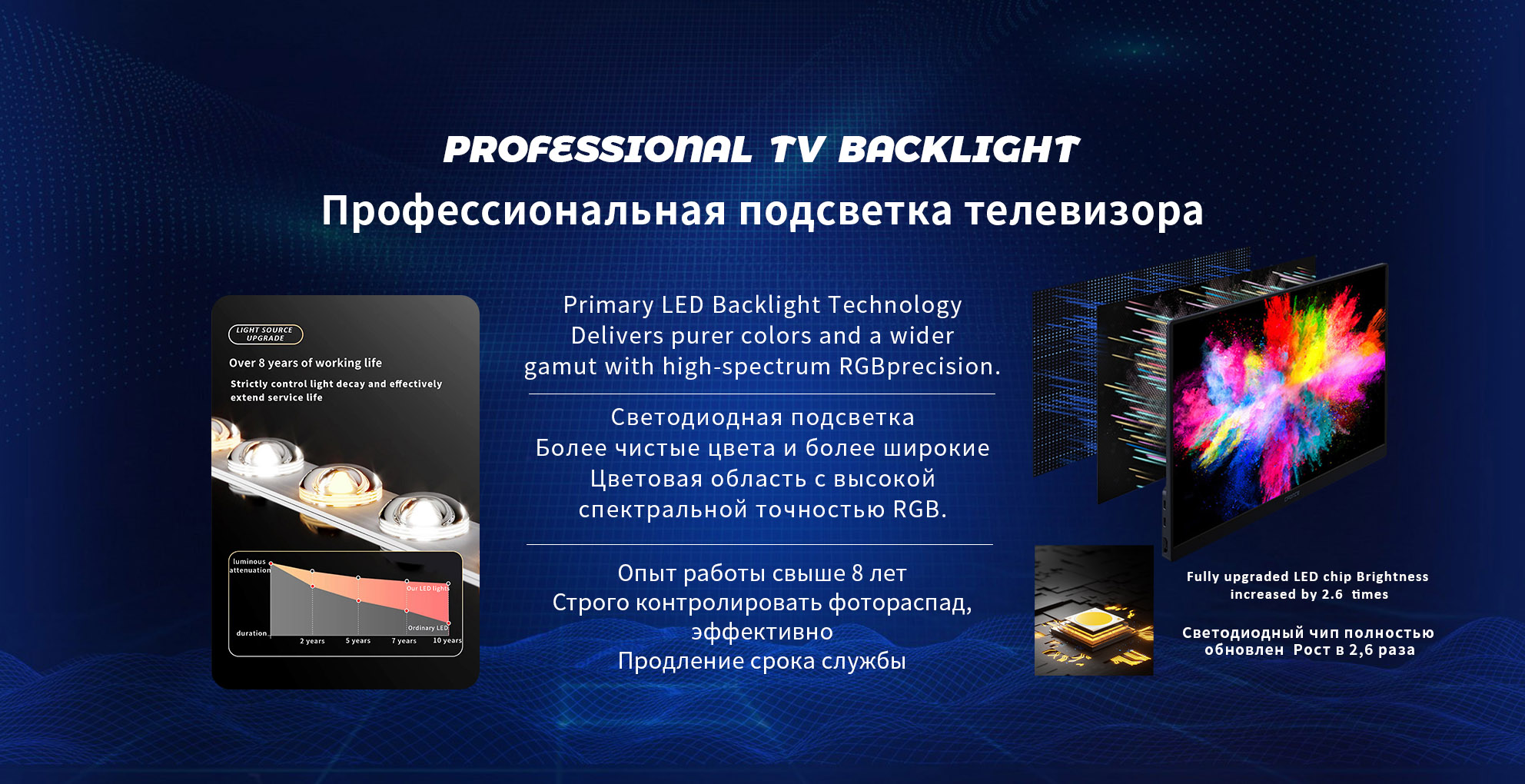
Backlight problems are among the most common display issues experienced by TV owners over time. These issues may appear as dark spots, uneven brightness, flickering areas, or complete loss of illumination. While backlight components naturally age, many problems are accelerated by environmental conditions, usage habits, and improper handling. Understanding how backlights work and how external factors influence their lifespan is the first step toward effective prevention.
Modern TVs rely on led backlighting systems that operate continuously whenever the screen is on. These components are sensitive to heat, moisture, voltage stability, and mechanical stress. Preventive care does not eliminate aging, but it can significantly slow degradation and maintain consistent image quality for years.
Understanding What Causes Backlight Degradation
Backlight degradation usually develops gradually rather than suddenly. Prolonged exposure to high operating temperatures can weaken LED efficiency, while unstable power supply may strain internal driver circuits. Environmental moisture can corrode connectors, and physical shocks during relocation may loosen internal assemblies.
Even daily habits such as running a TV at maximum brightness for extended hours can accelerate wear. Knowing these risk factors helps users make informed decisions that protect their display investment.
Optimize the Viewing Environment
The placement of a television plays a critical role in backlight longevity. Excessive heat buildup around the unit can shorten LED lifespan, while high humidity may affect internal electronics over time. Positioning the TV in a well-ventilated area allows heat to dissipate naturally and reduces internal stress.
Direct sunlight should also be avoided, as prolonged exposure can raise panel temperature and cause uneven aging across the backlight. Stable indoor conditions help ensure consistent performance and reduce the likelihood of premature failures.
Adjust Display Settings for Longevity
Many TVs are shipped with high brightness settings designed for showroom environments. While visually striking, these settings are not ideal for long-term home use. Reducing backlight intensity to a comfortable viewing level lowers thermal output and minimizes stress on LED components.
Using adaptive brightness or energy-saving modes can further balance image quality and durability. These settings automatically adjust output based on ambient light, reducing unnecessary strain during low-light viewing conditions.
Handle and Maintain the TV Properly
Physical handling is another often-overlooked factor in preventing backlight issues. When moving a TV, avoid applying pressure to the screen surface, as internal layers are delicate and sensitive to flexing. Always lift the unit from its frame and use protective packaging when possible.
Cleaning should be done with soft, dry microfiber cloths. Excess moisture or harsh cleaning agents can seep into the panel edges and affect internal circuits. Gentle, routine maintenance helps preserve both the display surface and internal lighting system.
Ensure Stable Power Supply
Power fluctuations can damage backlight drivers and LED arrays over time. Using a quality surge protector or voltage stabilizer reduces the risk of sudden electrical stress. Consistent power delivery allows backlight components to operate within their designed parameters, supporting long-term reliability.
Turning off the TV completely when not in use, rather than leaving it in standby mode for extended periods, can also reduce cumulative operating hours on the backlight system.
Choosing Reliable Display Technology
Preventive care is most effective when combined with reliable manufacturing standards. TVs built with well-engineered backlight systems, efficient thermal management, and stable driver designs are naturally more resistant to common issues. Manufacturers with strong quality control processes tend to deliver products that age more evenly and predictably.
Brands like Starsharp, known for their focus on display performance and durability, integrate balanced backlight designs that support consistent brightness and long-term use. Exploring options from manufacturers committed to display reliability can further reduce the risk of future backlight concerns. Learn more about their display solutions at https://www.starsharpcn.com.
Conclusion
While backlight issues cannot be completely avoided due to natural component aging, they can often be delayed through thoughtful usage and care. Maintaining a stable environment, optimizing brightness settings, handling the TV properly, and ensuring clean power delivery all contribute to longer backlight life. Combined with choosing a well-engineered display, these preventive measures help maintain image quality and viewing comfort well into the future.