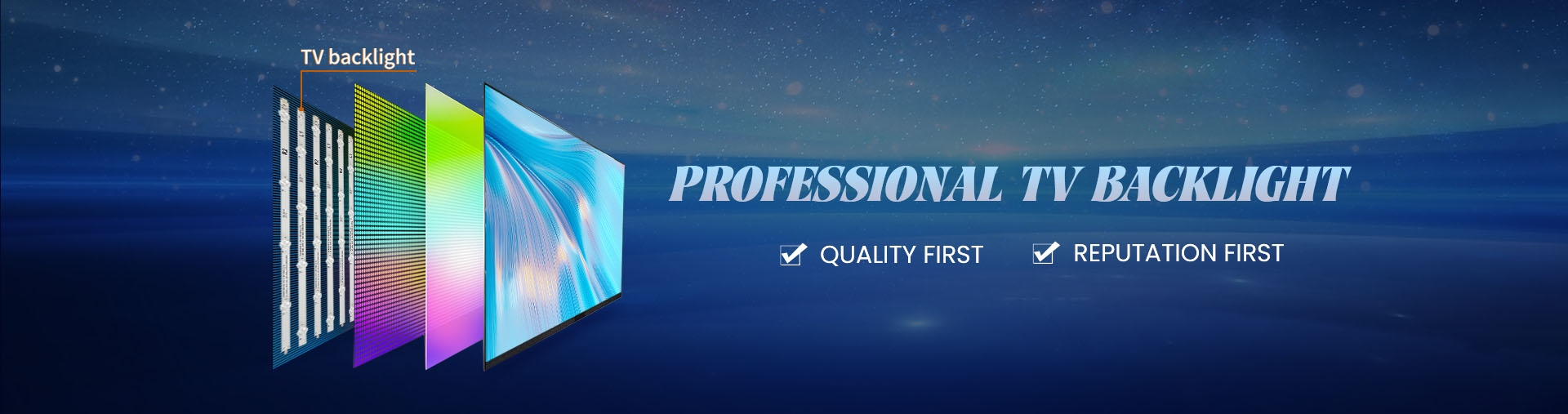
The evolution of display and lighting technology has been closely tied to improvements in efficiency, durability, and visual performance. For many years, fluorescent backlights were the dominant solution in LCD panels, signage, and industrial displays. However, as technology advanced, led backlights gradually replaced fluorescent lights and became the global standard. This transition was not driven by a single factor, but by a combination of performance, cost, environmental, and design advantages that LEDs consistently deliver.
From Fluorescent Backlights to led backlights
Fluorescent backlights, commonly based on cold cathode fluorescent lamps, were widely used in early LCD televisions, monitors, and control panels. They provided relatively even illumination and acceptable brightness for their time. However, their structure relied on glass tubes, gas fillings, and high-voltage inverters, which limited design flexibility and long-term reliability.
led backlights introduced a fundamentally different approach. Instead of using gas discharge tubes, LEDs generate light through solid-state semiconductor materials. This shift simplified backlight structures, reduced component complexity, and opened new possibilities for thinner, lighter, and more efficient display designs.
Energy Efficiency and Power Consumption
One of the most decisive reasons led backlights replaced fluorescent lights is energy efficiency. LED backlights convert a higher percentage of electrical energy into visible light, while fluorescent systems lose more energy as heat.
In practical applications, LED backlights can reduce power consumption by 30 to 50 percent compared with fluorescent backlights under similar brightness conditions. This efficiency advantage is especially important for large displays, commercial signage, and devices that operate for long hours. Lower power demand not only reduces operating costs but also helps manufacturers meet stricter energy regulations across global markets.
Slimmer Design and Structural Flexibility
Fluorescent backlights require physical tubes, reflectors, and spacing to ensure uniform illumination. This limits how thin a display can be and restricts design freedom. LED backlights, by contrast, use compact light sources that can be arranged along edges or directly behind panels.
This structural flexibility enabled the development of ultra-thin televisions, lightweight monitors, and compact industrial displays. Designers can precisely control LED placement to achieve uniform brightness while minimizing overall thickness. As consumer and industrial markets increasingly demand slim and space-efficient products, LED backlights naturally became the preferred solution.
Improved Brightness Control and Visual Performance
LED backlights offer superior brightness control compared with fluorescent systems. Brightness can be adjusted more precisely, and LEDs respond instantly to control signals. This allows for advanced functions such as dynamic dimming, improved contrast ratios, and better visibility under varying ambient light conditions.
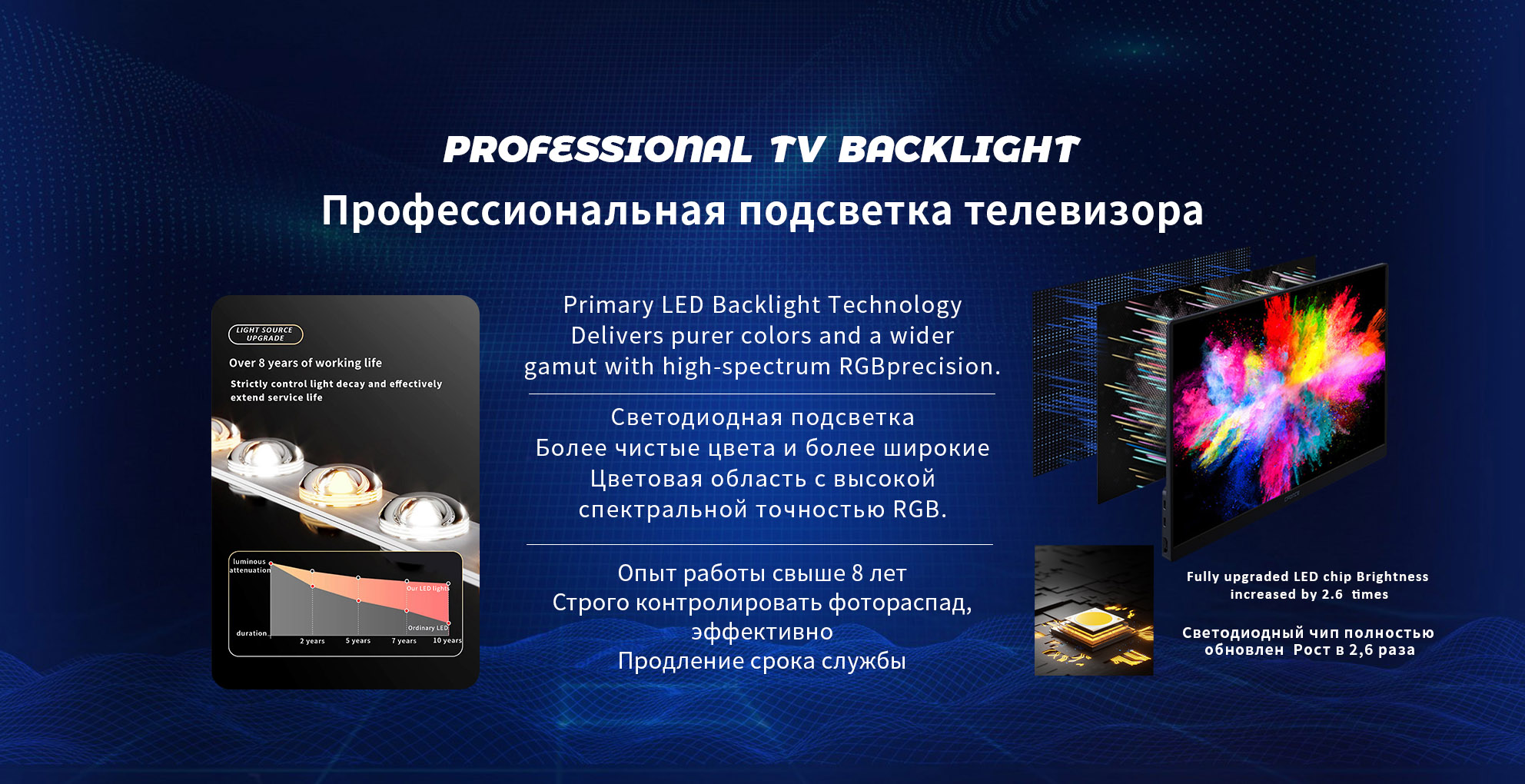
Color performance also benefits from LED technology. LEDs provide more stable color output over time and support a wider color gamut when properly engineered. This is particularly important for applications such as professional monitors, advertising displays, and high-end consumer electronics where color accuracy and consistency are critical.
Longer Lifespan and Reduced Maintenance
Another key factor behind the replacement of fluorescent lights is lifespan. Fluorescent backlights gradually degrade due to electrode wear and gas deterioration, leading to brightness loss and color shifts. Their typical lifespan is significantly shorter than that of LED systems.
LED backlights are designed for long-term operation, often exceeding 50,000 hours under normal conditions. This extended lifespan reduces maintenance frequency and replacement costs, which is especially valuable for commercial displays, outdoor signage, and industrial equipment that must operate continuously. Fewer replacements also translate into lower downtime and improved system reliability.
Environmental and Regulatory Advantages
Fluorescent backlights contain materials that raise environmental concerns, including mercury. Disposal and recycling of fluorescent components require special handling and compliance with environmental regulations. As global environmental standards became stricter, these limitations became more apparent.
LED backlights do not rely on mercury and are easier to manage at the end of their lifecycle. Their lower energy consumption also contributes to reduced carbon emissions over time. These environmental benefits align well with sustainability goals and regulatory requirements, accelerating the transition toward LED-based solutions.
Manufacturing and Cost Optimization
Although early LED backlights were more expensive than fluorescent systems, large-scale production and technological improvements have significantly reduced costs. LED components are now highly standardized, allowing manufacturers to streamline supply chains and optimize assembly processes.
Today, LED backlights often provide a better cost-performance balance over the product lifecycle. Lower energy usage, longer lifespan, and reduced maintenance collectively outweigh initial component costs. This economic advantage has made LED backlights the default choice for both mass-market and specialized display applications.
The Role of Professional LED Backlight Suppliers
As LED backlights became the industry standard, the importance of specialized manufacturers increased. Reliable backlight solutions require precise optical design, consistent brightness, stable color performance, and compatibility with different display systems.
Manufacturers such as Starsharp focus on developing LED backlight solutions that meet the demands of modern displays, including uniform illumination, customizable structures, and stable long-term performance. By working with experienced suppliers, display manufacturers can ensure that their products achieve optimal visual quality while maintaining efficiency and reliability.
Conclusion
LED backlights replaced fluorescent lights because they deliver clear advantages in efficiency, design flexibility, visual performance, lifespan, and environmental impact. What began as a technological upgrade has become a fundamental shift in how displays are designed and manufactured. As display applications continue to expand across consumer, commercial, and industrial sectors, LED backlights remain the preferred solution, supporting thinner designs, lower energy consumption, and more reliable long-term operation.