In everyday conversations, the terms LED screen and LCD screen are often used as if they describe two completely different display technologies. In reality, the distinction lies mainly in how the screen is backlit rather than in the core image-forming mechanism. Understanding the role of the backlight helps buyers, system integrators, and project planners make more informed decisions when selecting displays for commercial, industrial, or professional use.
Understanding LCD as the Core Display Technology
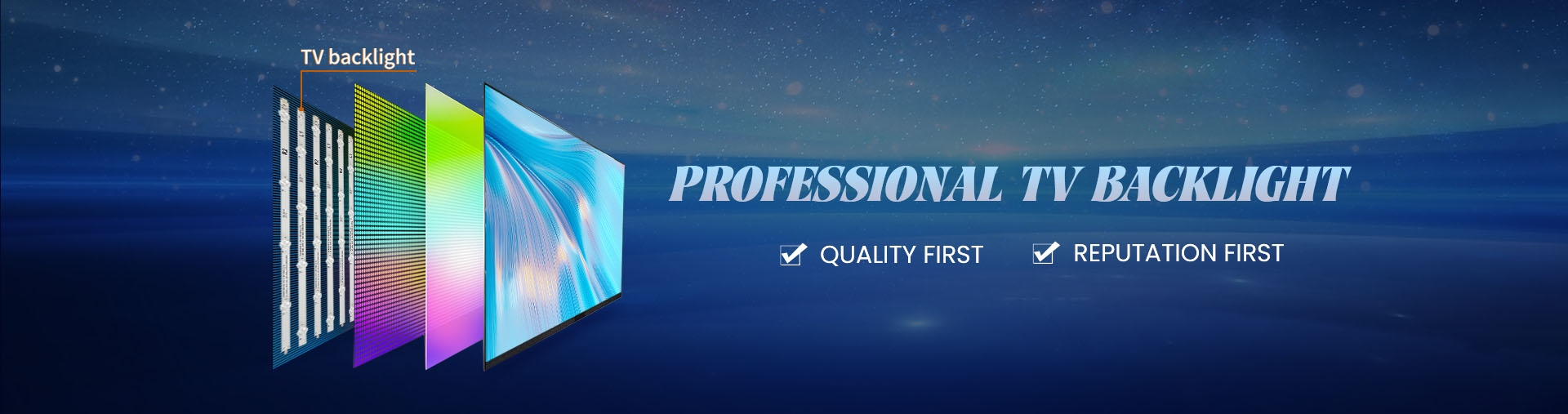
LCD stands for Liquid Crystal Display. At its core, an LCD panel does not emit light by itself. Instead, it relies on a backlight placed behind the liquid crystal layer. The liquid crystals act as light valves, twisting and untwisting to control how much light passes through color filters to form images.
Traditional LCD screens originally used CCFL tubes as their light source. These fluorescent lamps provided uniform illumination but came with limitations in thickness, energy efficiency, brightness control, and lifespan. As display requirements evolved, manufacturers sought more precise and efficient backlighting solutions.
What “LED Screen” Really Means in Most Displays
In most consumer and commercial displays, an LED screen is still an LCD panel. The key difference is that the backlight is produced by light-emitting diodes instead of fluorescent tubes. This shift in backlighting technology led to thinner designs, lower power consumption, improved brightness control, and better long-term stability.
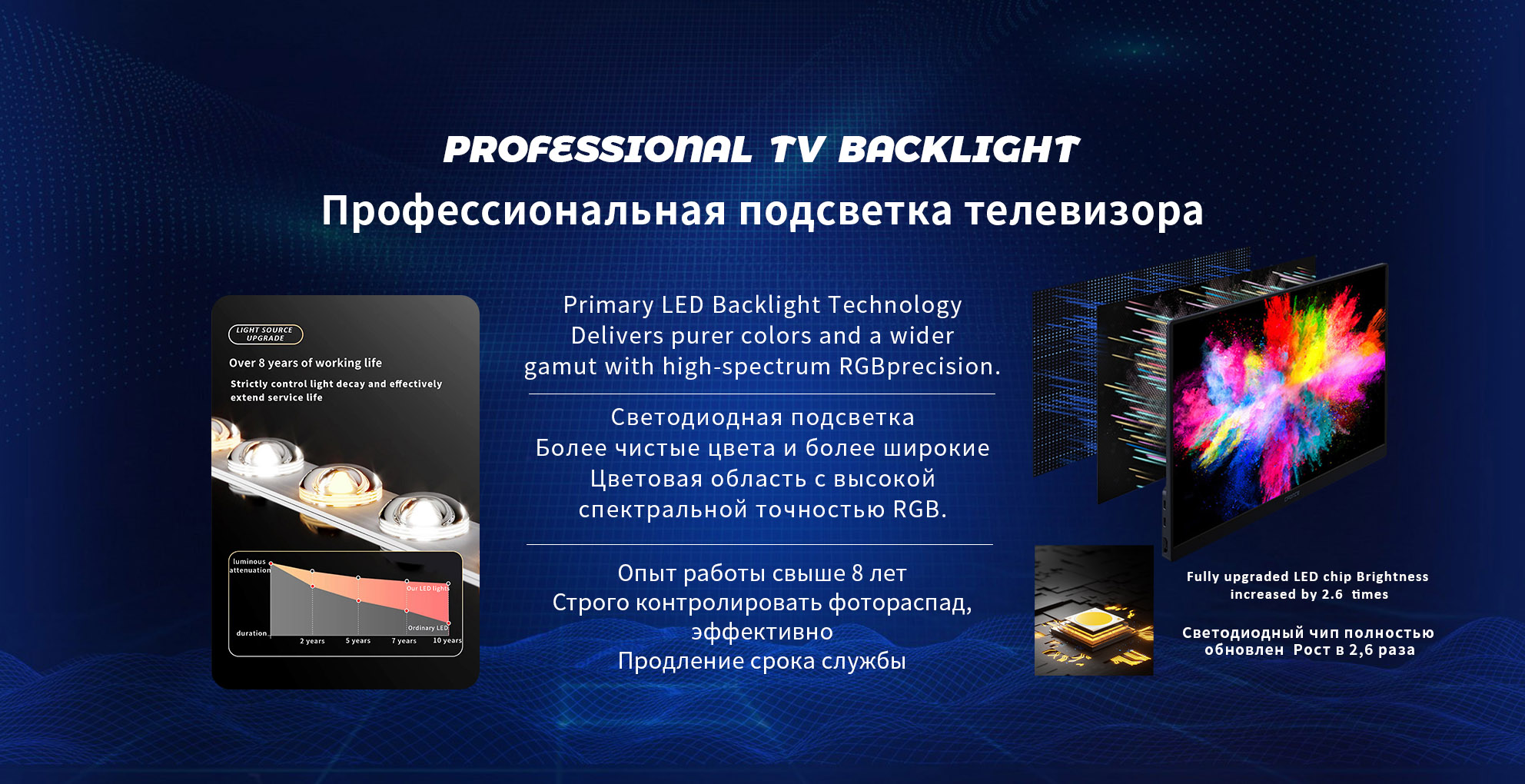
Because led backlights are smaller and more controllable, they enable a wider range of display designs. The liquid crystal layer remains responsible for image formation, but the quality of the backlight has a direct impact on contrast, color consistency, and viewing comfort.
Different led backlight structures define how light is distributed behind the LCD panel. Each structure serves different performance goals and application needs.
| Backlight Type | Structural Description | Typical Use Scenarios |
|---|
| Edge-lit LED | LEDs placed along panel edges with light guides | Slim monitors, cost-sensitive displays |
| Direct-lit LED | LEDs arranged across the rear surface | Large-format commercial displays |
| Full-array LED | Dense LED grid with local dimming zones | High-contrast professional screens |
| Mini-LED | Thousands of micro LEDs for precise control | Premium monitors and TVs |
These backlight designs influence brightness uniformity, contrast depth, thermal behavior, and manufacturing complexity.
How Backlight Definitions Affect Visual Performance
Backlight technology directly affects how an LCD screen performs in real-world environments. LED-based backlights allow more granular brightness adjustment, making them suitable for both bright public spaces and controlled indoor settings. Advanced local dimming structures can reduce light bleed and improve black-level performance, especially in content with high contrast.
Color accuracy also benefits from modern led backlights. With improved spectral control, displays can achieve wider color coverage and more stable white balance over time. This is particularly important for professional imaging, control rooms, and digital signage where visual consistency matters.
Practical Implications for Buyers and Integrators
When comparing LED and LCD screens, the most important question is not which term is used, but how the backlight is designed and controlled. Display thickness, power efficiency, brightness uniformity, and lifespan are all linked to the backlight system rather than the liquid crystal layer itself.
Manufacturers with strong engineering capabilities can fine-tune backlight configurations to match specific application demands. Companies like Starsharp, accessible via Starsharp’s official website, focus on display solutions where backlight structure, panel integration, and long-term reliability are aligned for commercial and industrial use cases.
Conclusion
The difference between LED and LCD screens is fundamentally a difference in backlight definition, not in display principle. LCD remains the core image-forming technology, while LED represents a more advanced and versatile way to illuminate that image. By understanding how backlight types work and how they influence performance, buyers can move beyond terminology and choose displays that truly match their functional and visual requirements.