Modern TVs may look similar on the surface, but what happens behind the screen plays a decisive role in picture quality. tv backlight technology determines brightness, contrast, black levels, and even how immersive content feels. The three most common systems today are Edge-Lit LED, Full Array LED, and Mini-LED. Understanding how they work makes it easier to judge which option fits different viewing needs.
Understanding the Role of tv backlighting
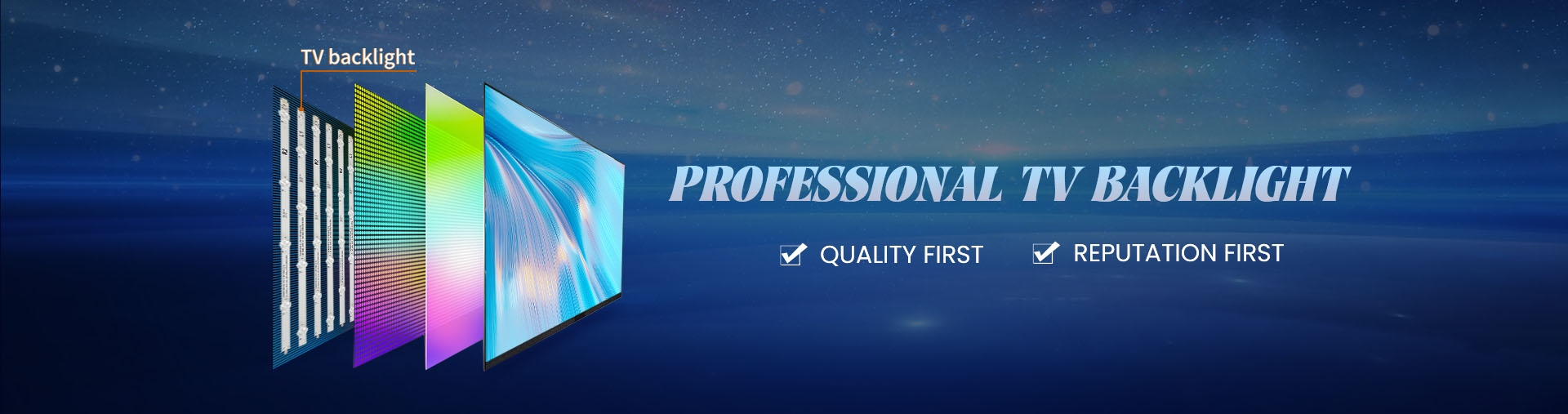
Unlike self-emissive displays, most LED TVs rely on a backlight placed behind the LCD panel. This light passes through multiple layers to form the final image. The way LEDs are arranged, controlled, and dimmed directly affects shadow detail, highlights, and overall uniformity.
Backlighting technology has evolved to address common issues such as light bleed, limited contrast, and uneven brightness. Each generation represents a trade-off between cost, performance, and design flexibility.
Edge-Lit LED Backlighting Explained
Edge-Lit TVs place led strips along the edges of the panel, usually on the bottom or sides. Light is spread across the screen using a diffuser layer.
This design allows for thinner TVs and lower manufacturing costs. It works well for bright rooms and casual viewing, where uniformity and deep blacks are less critical.
However, edge lighting limits precise control over brightness. Dark scenes may show glowing corners or halos, especially when bright objects appear against black backgrounds. Local dimming is available on some models, but it is usually coarse and less effective.
Edge-Lit backlighting suits budget-conscious buyers who value slim design and general-purpose viewing over cinematic accuracy.
Full Array LED and Local Dimming
Full Array TVs place LEDs evenly across the entire back panel. This layout enables local dimming, where groups of LEDs adjust brightness independently based on on-screen content.
The result is stronger contrast, deeper blacks, and more consistent brightness across the display. Dark scenes appear more controlled, while highlights maintain better intensity without washing out surrounding areas.
The main limitation is physical thickness and cost. Full Array TVs are generally thicker than Edge-Lit models and require more LEDs, increasing production complexity.
For viewers who watch movies, sports, or HDR content regularly, Full Array backlighting provides a noticeable step up in visual depth and realism.
Mini-LED Technology and Precision Control
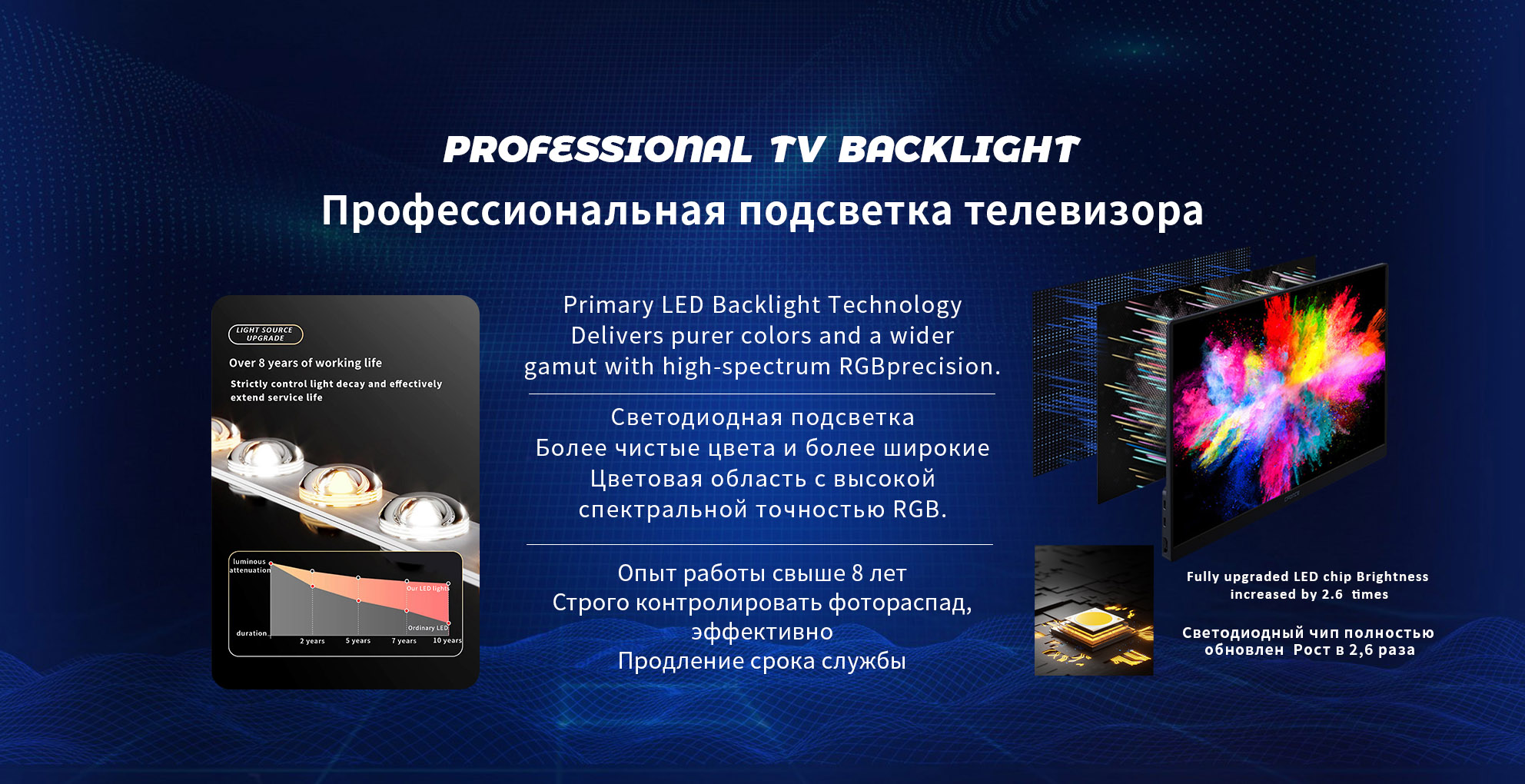
Mini-LED is an advanced form of Full Array backlighting that uses thousands of much smaller LEDs. These are grouped into a high number of dimming zones, dramatically improving brightness control.
This technology minimizes blooming effects and delivers higher peak brightness, making it especially effective for HDR content. Black levels approach OLED-like performance while maintaining excellent brightness for well-lit environments.
Mini-LED TVs also allow manufacturers to design thinner panels compared to traditional Full Array systems, balancing performance with aesthetics.
As display manufacturers like Starsharp continue refining Mini-LED solutions, this technology has become a strong choice for users seeking premium picture quality without moving to OLED.
Key Differences at a Glance
| Backlight Type | LED Placement | Local Dimming | Brightness Control | Typical Use Case |
|---|
| Edge-Lit | Screen edges | Limited | Basic | Entry-level, slim TVs |
| Full Array | Entire back | Yes | Good | Home theater, HDR |
| Mini-LED | Entire back | Advanced | Excellent | High-end viewing |
Choosing the Right Backlight for Your Needs
The best backlight depends on how and where the TV is used. Bright rooms benefit from higher brightness output, while dark-room viewing rewards strong contrast and precise dimming.
Edge-Lit TVs meet everyday needs with affordability and slim design. Full Array models strike a balance between cost and performance. Mini-LED stands out for users who prioritize picture accuracy, HDR impact, and long-term value.
Manufacturers such as Starsharp continue to invest in advanced LED backlighting technologies, offering reliable options across these categories. Exploring solutions from experienced display suppliers helps ensure consistent quality and performance.
Final Thoughts on TV Backlight Technologies
tv backlighting is not just a technical detail; it defines how content looks and feels. From basic Edge-Lit designs to sophisticated Mini-LED systems, each option serves a clear purpose.
Understanding these differences makes it easier to match a TV to viewing habits and expectations. As LED backlight technology continues to evolve, viewers can expect even better contrast, brightness control, and visual comfort in future displays.