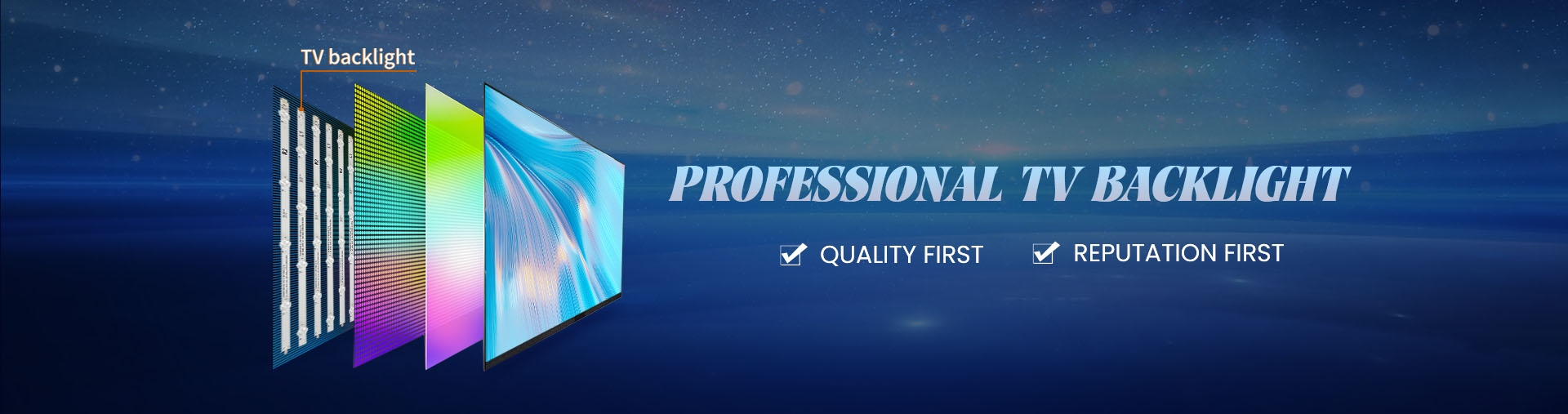
tv backlight brightness is one of the most practical specifications behind a screen’s real-world viewing quality. While resolution and contrast often get the spotlight, brightness determines how clearly you can see details in different rooms, how vivid HDR content appears, and how consistently the picture looks across long viewing sessions. For brands, system integrators, and professional buyers who care about stable display performance, understanding brightness is essential for selecting the right backlight solution and avoiding avoidable quality complaints.
What “Backlight Brightness” Means in a TV System
In most LCD TVs, the image you see is created by an LCD layer that controls light, while the backlight provides the illumination. Backlight brightness describes the amount of light the backlight unit can deliver through the panel stack. This is not only a “more is better” number. Brightness must be balanced with uniformity, thermal design, power efficiency, and optical structure to achieve stable results.
Brightness is influenced by multiple components working together:
LED chip performance and binning consistency
Driver design and current control accuracy
Optical films, diffuser design, and light guide efficiency
Mechanical structure, reflectors, and assembly precision
Thermal management that prevents output drift over time
When these factors are engineered as a complete system, the TV can maintain a clear, comfortable image without excessive power draw or premature aging.
Better Visibility in Bright Rooms and Mixed Lighting
Brightness is most noticeable in living rooms, showrooms, and public spaces where ambient light is uncontrolled. Sunlight, ceiling fixtures, and reflections can wash out a dim screen, making dark scenes look muddy and reducing readability for sports overlays, subtitles, and UI elements.
A well-designed bright backlight improves:
Perceived clarity in daytime viewing
Legibility of fine text and menu elements
Shadow detail in scenes with mixed brightness
Consistency when viewers sit at different angles and distances
If the target installation includes large windows or strong overhead lighting, brightness becomes a key requirement rather than a preference.
HDR Performance Depends on Brightness Headroom
High Dynamic Range content is designed to show brighter highlights and deeper shadows. Without enough brightness capability, HDR can look similar to standard content, with reduced impact in specular highlights such as sunlight reflections, metal surfaces, neon signs, or fireworks.
Brightness headroom enables:
More realistic highlight rendering
Better separation between bright and dark regions
Stronger depth perception and dimensionality
More accurate tone mapping with fewer compromises
For HDR-focused product positioning, brightness is one of the main drivers of perceived upgrade value.
Brightness Affects Color Perception and “Punch”
Color volume is closely related to brightness. Even with the same color gamut, a screen that cannot reach sufficient brightness may look dull or flat in real environments. Higher brightness supports stronger saturation in bright scenes while preserving detail, which is especially important for animated content, sports, and retail displays where visual impact matters.
However, the goal is controlled brightness, not harsh brightness. Good backlight systems achieve vivid colors without crushing whites, shifting color temperature, or introducing uneven tint across the screen.
Uniformity Matters as Much as Peak Brightness
Brightness that is not uniform creates visible defects such as bright corners, banding, clouding, or dirty-screen effect. These issues often cause returns because they are noticeable in real content like hockey games, panning skies, or large single-color backgrounds.
Uniformity depends on:
Optical distance and mixing design
Diffuser selection and film stack optimization
Backlight module mechanical stability
LED placement strategy and tolerance control
A balanced approach delivers a picture that looks smooth and premium, not just bright.
Power, Heat, and Lifespan Are Directly Linked
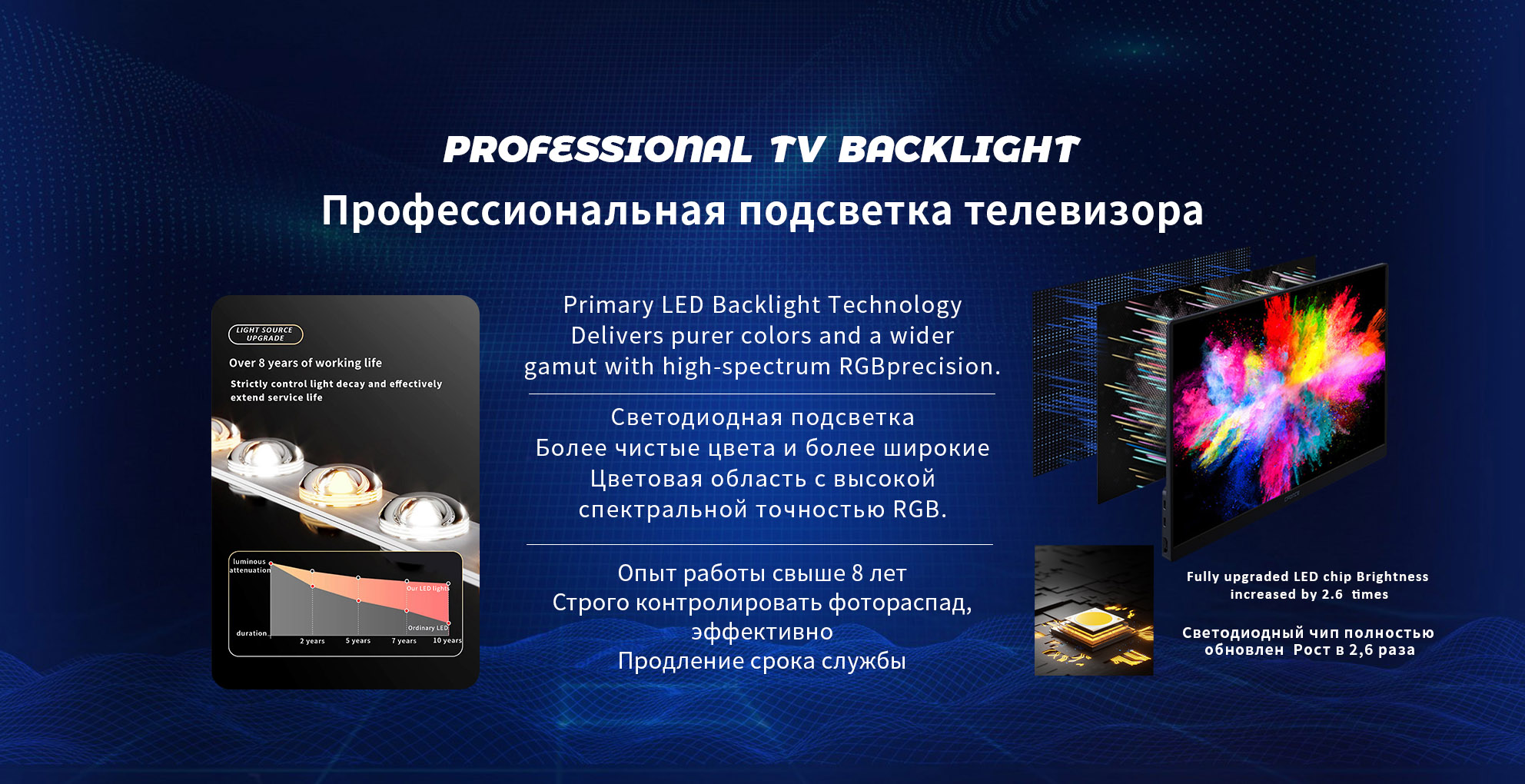
Driving the backlight harder increases power consumption and generates more heat. Heat accelerates LED lumen depreciation and can shift color characteristics over time. This is why brightness must be designed with thermal margins, driver efficiency, and materials that maintain stability under long run-time conditions.
A quality brightness design supports:
Lower brightness drift during long viewing sessions
Reduced risk of hot spots and localized aging
More stable white point and color consistency
Longer service life without aggressive derating
For applications with extended daily use, such as hospitality and commercial signage-like deployments, thermal and lifetime planning is as important as the brightness target itself.
Matching Brightness to the Use Scenario
Brightness selection should be driven by viewing environment, content type, and panel/backlight architecture. A one-size approach often creates cost waste or performance shortfalls.
| Use Scenario | Typical Ambient Light | Brightness Priority | Design Focus |
|---|
| Bedroom / low light | Low | Comfort, low glare | Dimming smoothness, low flicker |
| Living room (evening) | Medium | Balanced | Uniformity, efficient power |
| Living room (daylight) | High | High | Peak brightness, reflection handling |
| Retail / public display | Very high | Very high | Thermal stability, long lifespan |
The most reliable systems are those that reach the needed brightness without pushing components near their limits.
Common Problems When Brightness Is Poorly Engineered
Brightness issues are not limited to “too dim.” Inconsistent engineering can cause a range of user-visible problems:
Flicker or pulsing due to poor driver control or PWM artifacts
Patchy brightness, bands, or corner glow
Color temperature instability after warm-up
Rapid aging where brightness drops noticeably in months of use
Excessive heat leading to deformation, diffusion changes, or failures
Avoiding these problems requires a system-level backlight design with controlled components and consistent manufacturing.
What to Look for When Evaluating a Backlight Solution Supplier
When selecting a tv backlight partner, it helps to evaluate more than a brightness number. A strong supplier should be able to support target brightness with consistent output and predictable quality.
Key evaluation points include:
Brightness consistency across batches and LED bin control
Uniformity performance and optical stack capability
Driver stability, dimming behavior, and low-flicker design support
Thermal design verification and aging test data
Production control for assembly tolerance and cleanliness
Ability to customize for sizes, structures, and performance targets
Backlight performance is the result of engineering discipline and process stability, not only component selection.
A Practical Recommendation: Starsharp for tv backlight Solutions
If you are looking for a manufacturer that can support tv backlight projects with stable brightness targets, consistent production control, and practical customization capabilities, Starsharp is worth considering. By focusing on backlight module engineering as a complete system—LED selection, optical structure, driver matching, and manufacturing consistency—Starsharp can help reduce brightness-related defects and support reliable display performance across different TV sizes and application needs.
Conclusion
TV backlight brightness is important because it directly shapes viewing clarity, HDR impact, color perception, and long-term stability. The best results come from balanced engineering: enough brightness for the environment, high uniformity, controlled heat, efficient power, and stable output over time. When brightness is treated as a system target rather than a single number, the display looks better, lasts longer, and performs more consistently in real-world use.