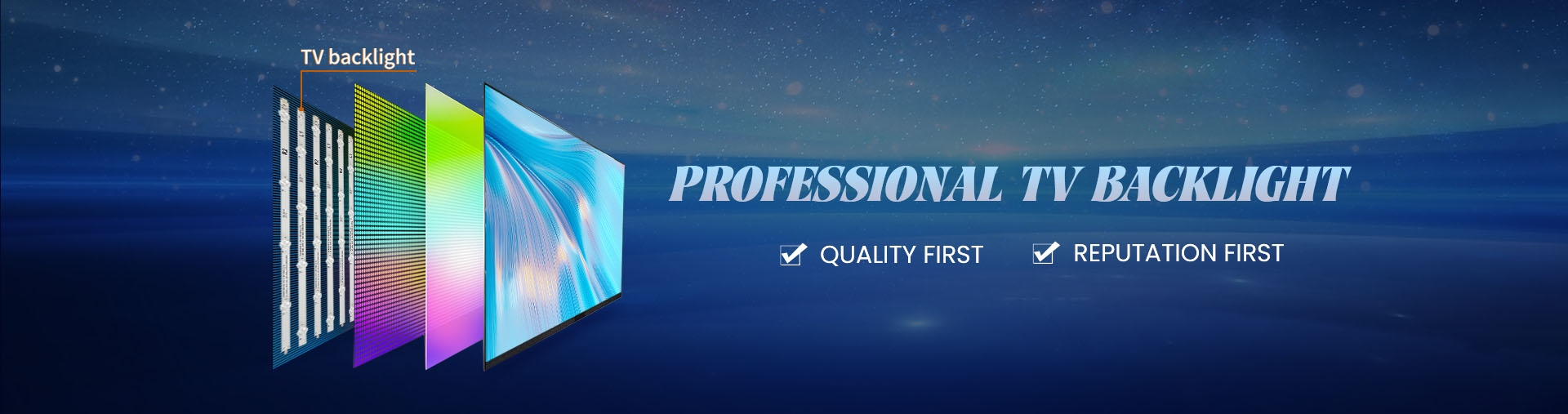
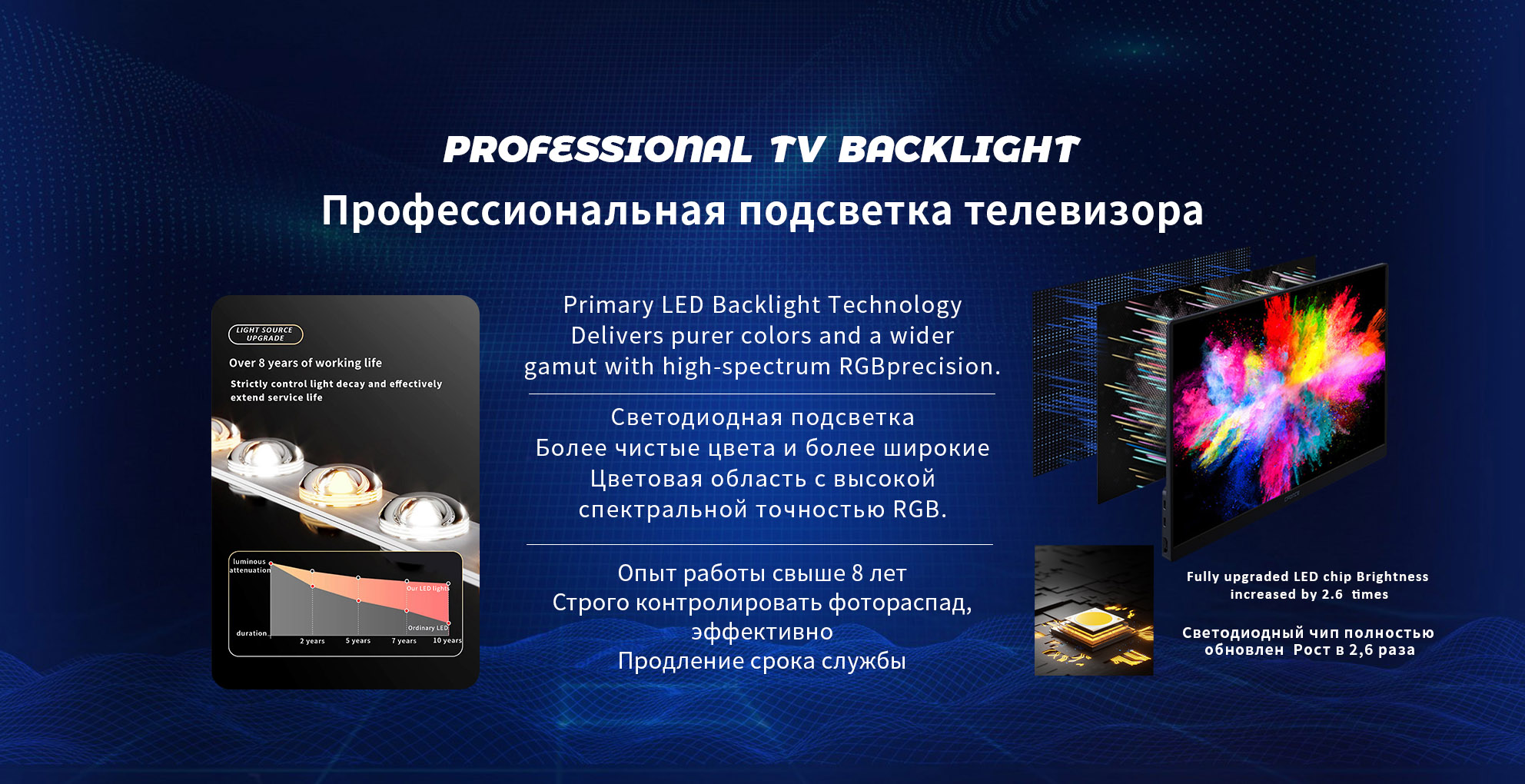
Replacing or upgrading tv backlight strips requires more than matching a physical measurement. backlight strips interact with the LED driver, panel structure, diffuser stack, and thermal design. A mismatch can lead to poor uniformity, flicker, increased power consumption, or premature failure. This guide explains how to select the correct backlight strip for your TV model so that performance, longevity, and safety are preserved.
Verify Your TV Model and Part Number
The first step is identifying the exact TV model, internal board part numbers, and existing strip identifiers. Many TVs share the same screen size but use different backlight architectures or strip variants.
Required information includes:
TV brand and model number
Panel part number (from the LCD panel label)
Backlight strip part numbers printed on the old strips
LED driver board part number and connector type
Recording all these details avoids incorrect matches that physically fit but do not function correctly.
Understand the Backlight Architecture
Different TV models use different backlight layouts. Identifying your TV’s architecture helps determine what strip types are compatible.
Common architectures include:
Edge-lit – LEDs mounted on strips along one or two edges with a light guide plate
Direct-lit – Multiple horizontal LED strips behind the panel
Full-array with local dimming – Many smaller strips grouped into zones
Mini-LED arrays – Dense LED arrays with sophisticated driver control
Strips designed for one architecture typically cannot be adapted to another without significant redesign.
Match Physical Dimensions Accurately
Physical size includes more than total length. backlight strips must align with mounting points, light guide edges, reflector placement, and diffuser sheets.
Dimensions to verify:
Strip length and mounting hole spacing
Width and thickness
Position of LED packages and lens shape
Connector type, orientation, and pitch
Even small differences in hole location can prevent correct installation or damage the LCD panel.
Check Electrical Specifications
backlight strips are not passive components. They operate within voltage and current limits that must align with the LED driver board.
Electrical specifications to compare include:
Voltage range and rated current
Number of LEDs in series per strip
Forward voltage and current tolerance
LED chip type and bin rating
A mismatch in electrical characteristics can overload the driver or reduce LED lifespan.
LED Type and Optical Requirements
LED chip type affects color temperature, color consistency, brightness distribution, and viewing experience.
Considerations include:
Color temperature – Warmer or cooler white affects perceived image tone
Lumen output per LED – Determines strip brightness
Beam angle and lens design – Influences uniformity
Bin consistency – Ensures matched brightness and color across strips
Optical design must match diffuser sheets and light guides to maintain uniform light mixing.
Review Thermal Characteristics
LEDs produce heat, and strip design must account for thermal resistance and heat spreading.
Key thermal aspects:
Substrate material (often aluminum) for better heat dissipation
Contact quality between strip and chassis
Thermal management allowed by the TV’s internal airflow
Lower thermal resistance helps reduce lumen depreciation and extend lifespan.
Evaluate Quality and Reliability
Not all backlight strips are created equal. Lower-cost strips may cut corners on LED binning, solder quality, thermal design, or materials.
Reliable strips typically offer:
Tight LED bin control
Stable electrical and thermal performance
Long T50 lumen maintenance under rated conditions
Clear, consistent labeling for identification
Good manufacturing practices improve long-term stability and minimize future failures.
Confirm Compatibility with Your LED Driver
Backlight drivers have limitations on voltage, current, and dimming support. Ensure that the strip’s electrical design fits within the board’s capabilities.
Verify:
Maximum forward voltage remains below driver limits
Current draw per strip does not exceed safe thresholds
Dimming method (PWM vs constant current) matches driver behavior
Incorrect pairing can create flicker, instability, or protection shutdowns.
Test Before Full Installation
If possible, bench-test the backlight strips before full reassembly. This helps confirm brightness, electrical behavior, and that no shorts or mismatches are present.
Safe bench-testing protocols include:
Low initial current verification
Short duration power application
Monitoring for flicker, heat, and driver response
Testing reduces the risk of reassembling the TV only to discover a problem.
Source Strips from Trusted Suppliers
Backlight strips must match quality expectations for TV performance and reliability. A focused supplier offers parts designed for specific models and supports correct electrical and optical matching.
For example, suppliers like Starsharp specialize in backlight strips engineered to match panel dimensions, brightness targets, and driver compatibility. Choosing well-matched strips minimizes performance issues and helps maintain stable long-term operation.
Document All Specifications
Before installation, document the complete specifications of the chosen strip: physical dimensions, LED type, electrical ratings, and compatibility notes. This checklist prevents errors and supports future maintenance.
Conclusion
Choosing the right backlight strip for your TV model goes beyond finding a part with a similar length. It requires confirmed physical alignment, matched electrical characteristics, optical compatibility, and reliable manufacturing quality. By systematically verifying your TV’s architecture, part numbers, LED type, thermal design, and driver compatibility, you can select a replacement that delivers stable brightness, uniform light distribution, and long service life. Working with reputable suppliers adds confidence that the chosen strip supports consistent performance and helps reduce post-installation issues.