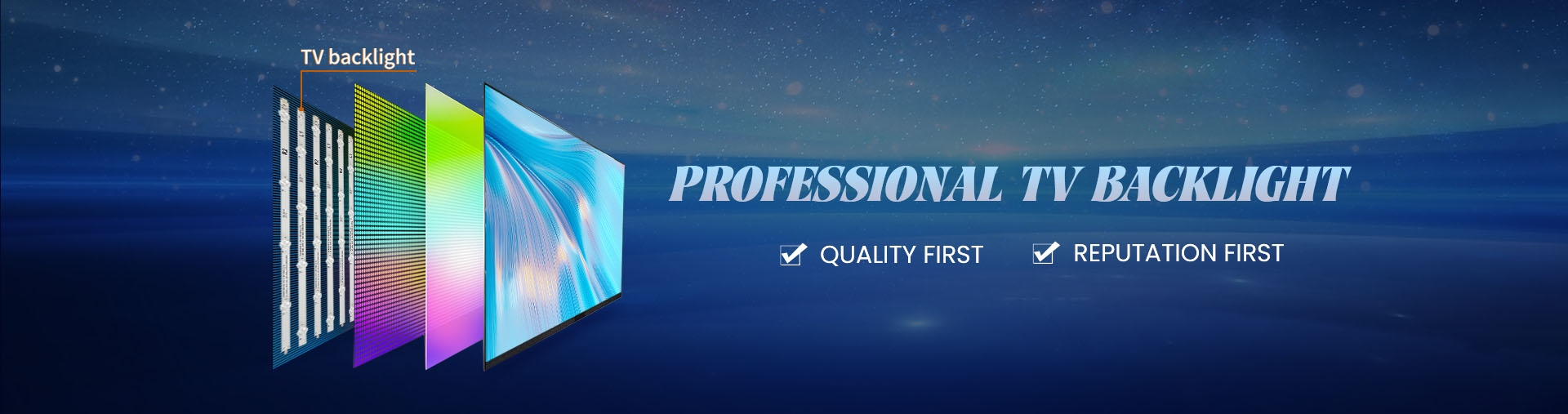
“universal” led tv backlight strips are designed to cover a wide range of LCD TV backlight structures, but they are not automatically compatible with every TV brand or every model. In real repair and replacement work, compatibility depends on whether the strip matches the TV’s mechanical structure, electrical drive conditions, and optical design. A strip can be “universal” in size class yet still fail to fit or perform correctly if even one key parameter is mismatched.
From a manufacturer’s perspective, the safest way to think about “universal” is this: it reduces the number of SKUs needed for common screen sizes and structures, but it does not remove the need for verification.
What “Universal” Usually Means in backlight strips
In the TV backlight industry, “universal” typically refers to strips that are engineered around high-frequency repair demand patterns, such as common lengths, LED counts, lens styles, and mounting layouts used across many LCD TV assemblies. For example, Starsharp offers universal series products built around stable low-voltage LED configurations and standardized strip geometries, including designs that control LED placement precision to tight tolerances and maintain stable current behavior for consistent illumination.
Practically, a universal strip is most likely to work when the TV’s backlight system is also built around mainstream dimensions and common driver settings, especially within the same screen-size family.
The Compatibility Factors That Actually Decide the Outcome
Universal compatibility is constrained by a few non-negotiable variables:
Mechanical fit
Even if the screen size is the same, the backlight chassis can differ by:
Strip length and width
Screw-hole locations and spacing
Connector position and cable routing
Aluminum base thickness and heat path design
A mismatch here creates installation friction, bending stress, or poor thermal contact, which shortens life.
Electrical match
Backlights are driven by an LED driver with expected electrical characteristics. Key items include:
LED forward voltage design such as 3V or 6V per LED class
Series and parallel string configuration
Current range and protection behavior
If the replacement strip changes the effective load, some drivers will dim, flicker, refuse to start, or trigger protection.
Optical design
Backlight strips are not just “LEDs on metal.” They are optical systems:
Lens geometry affects beam angle and uniformity
Lens height and placement affect hotspot visibility
Diffuser and light guide pairing affects brightness distribution
Starsharp’s OEM-compatible approach emphasizes matching voltage specifications and brightness performance targets, including ranges commonly specified for TV backlight applications.
Why Backlights Fail and Why Matching Matters
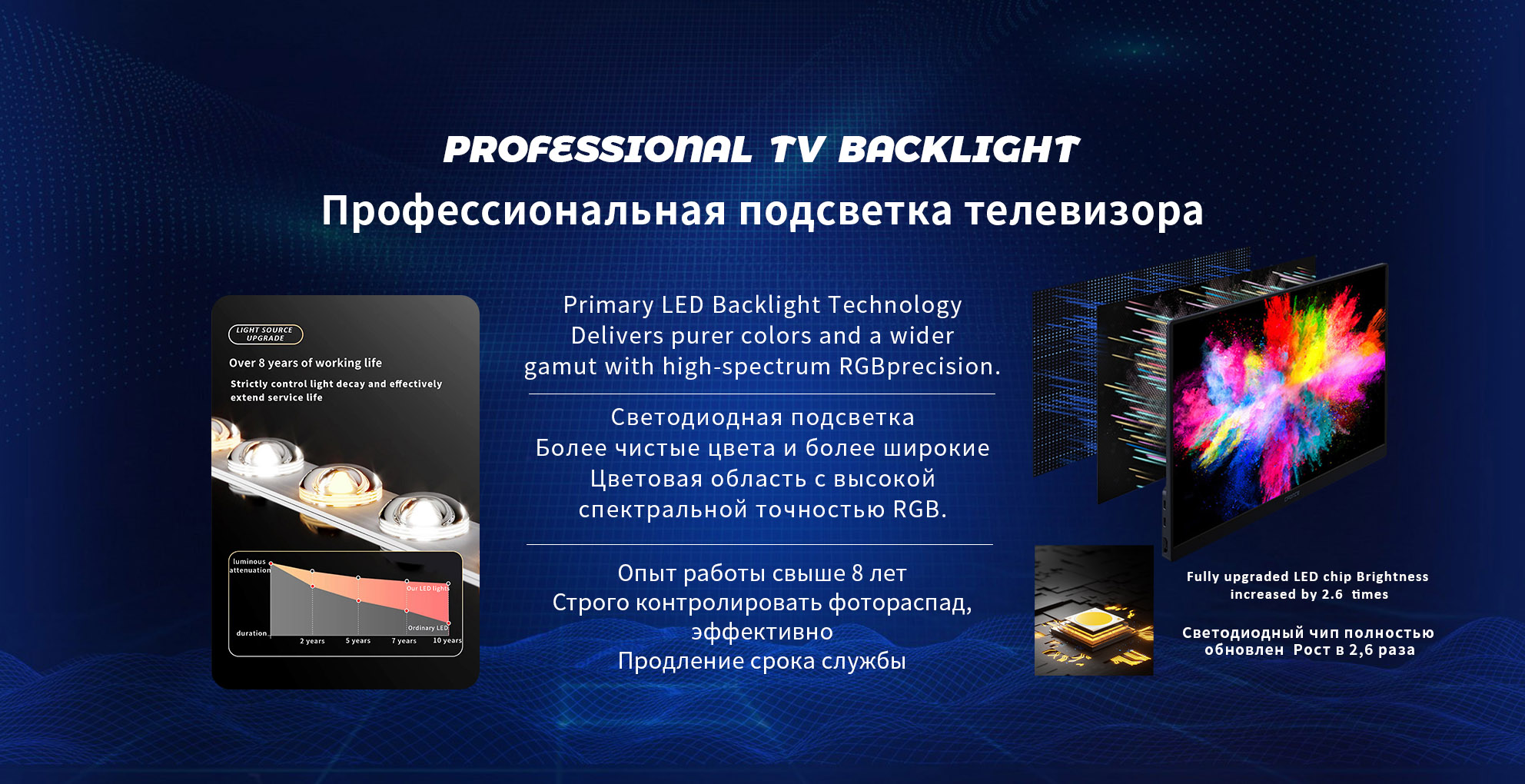
Backlight failure is frequently driven by heat stress and the way the driver responds when LEDs degrade or fail. Excess heat accelerates lumen depreciation and can lead to partial dim zones or full shutdown depending on circuit behavior.
Independent long-duration reliability testing has also highlighted that LED-backlit LCD designs, especially edge-lit implementations, can be more prone to failures over time because the backlight system becomes a primary wear point in the television.
That is why “close enough” replacements can be risky: small mismatches can increase thermal load or force the driver to run outside its ideal range, accelerating repeat failures.
A Quick Compatibility Checklist You Can Use Before Ordering
Use the checklist below to validate whether a “universal” strip is truly suitable for a specific TV repair or replacement project.
| Check item | What to match | What happens if it is wrong |
|---|
| Strip length and width | Millimeter-level fit in the backlight frame | Cannot mount, flexing, poor heat transfer |
| LED voltage class | 3V vs 6V LED system design | Flicker, no start, driver protection |
| LED count per strip | Same count and spacing | Brightness imbalance, non-uniform zones |
| Connector type and polarity | Pin pitch, housing, polarity | Cannot connect or damages driver |
| Lens type and placement | Round, square, convex, concave, height | Hotspots, dark bands, uneven diffusion |
| Thermal path | Aluminum base and adhesive contact | Overheating, faster degradation |
If you want a higher-confidence match, provide the old strip’s printed code, the measured length, LED count, and connector photo. This typically reduces selection risk dramatically.
Where Starsharp Helps Beyond “Universal”
A universal product line is only valuable if it is backed by manufacturing consistency and selection support. Starsharp’s catalog structure is organized by common size families and universal repair needs, and its production capability highlights scale-oriented manufacturing with automated lines and high daily output, supporting stable supply for repeat demand.
For project buyers and bulk order planning, that consistency matters as much as the strip design itself:
You reduce repeat failure risk by keeping electrical and optical specs consistent across batches
You simplify procurement by consolidating frequently used universal SKUs
You improve turnaround by relying on a supplier that can support stable lead times and QA continuity
Bottom Line
Universal LED tv backlight strips are not compatible with every brand by default, but they can be compatible with many models when mechanical, electrical, and optical requirements align. The right approach is verification, not assumption.
If your goal is fewer SKUs without sacrificing repair success rate, choose universal strips that are built around mainstream backlight structures and backed by a manufacturer that can support consistent specs, stable output behavior, and reliable supply chain execution.