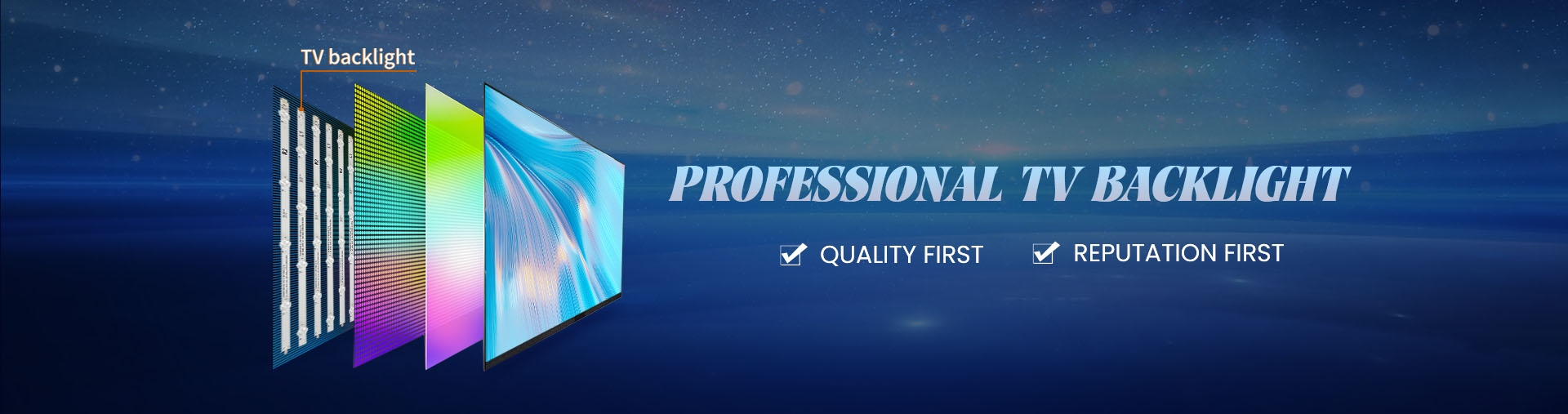
If you are researching what an led tv backlight strip is used for, you are likely evaluating replacement options, performance stability, or compatibility with a specific TV model. An LED tv backlight strip is a core internal component that provides uniform illumination behind the LCD panel, directly affecting brightness, contrast, and overall viewing quality. When the backlight fails or degrades, issues such as dark spots, flickering, uneven brightness, or complete loss of image can occur even if the screen panel itself remains intact.
In modern television manufacturing and maintenance, selecting the correct LED TV backlight strip is not only about matching size. Electrical parameters, optical layout, and long-term stability all influence whether the replacement will restore performance or introduce new issues. This guide explains where led tv backlight strips are commonly used, which specifications matter most, and how customization supports different TV models and project requirements.
Where LED TV Backlight Strips Are Commonly Used
An LED TV backlight strip is used in LCD televisions that rely on LED illumination to display images clearly and consistently. Different usage scenarios determine which specifications should be prioritized.
TV Repair And Replacement Programs
One of the most common applications is television repair. When a TV experiences partial or total backlight failure, replacing the LED TV backlight strip can restore functionality at a significantly lower cost than replacing the entire display. Repair technicians typically look for strips that match the original electrical characteristics to avoid overdriving or under-powering the LEDs.
In this scenario, compatibility with the original design is critical. The number of LEDs, voltage range, connector type, and mounting points must align precisely with the original backlight system.
OEM And TV Assembly Lines
In original equipment manufacturing, LED TV backlight strips are used as part of the complete backlight module during TV assembly. Here, consistency and batch stability matter more than single-unit performance. Assembly lines require backlight strips with stable brightness output, controlled color temperature, and tight dimensional tolerances to ensure uniform screen quality across large production volumes.
OEM buyers also focus on whether the supplier can support long-term production without specification drift.
Refurbished And Secondary Market TVs
In refurbished TV programs, LED TV backlight strips are used to extend the usable life of returned or decommissioned televisions. These applications often require cost-effective solutions that still meet minimum brightness and reliability standards. Durability under repeated usage cycles becomes more important than achieving maximum brightness.
Model-Specific Replacement Solutions
Certain TV models require dedicated backlight strip designs due to unique layouts or electrical configurations. In these cases, using a model-matched solution such as a SONY TV Backlight Strip replacement ensures proper illumination and reduces the risk of compatibility issues during installation.
Key Specifications That Decide LED TV Backlight Strip Performance
Understanding the following specifications helps ensure the LED TV backlight strip performs reliably in real-world use.
LED Type And Luminous Output
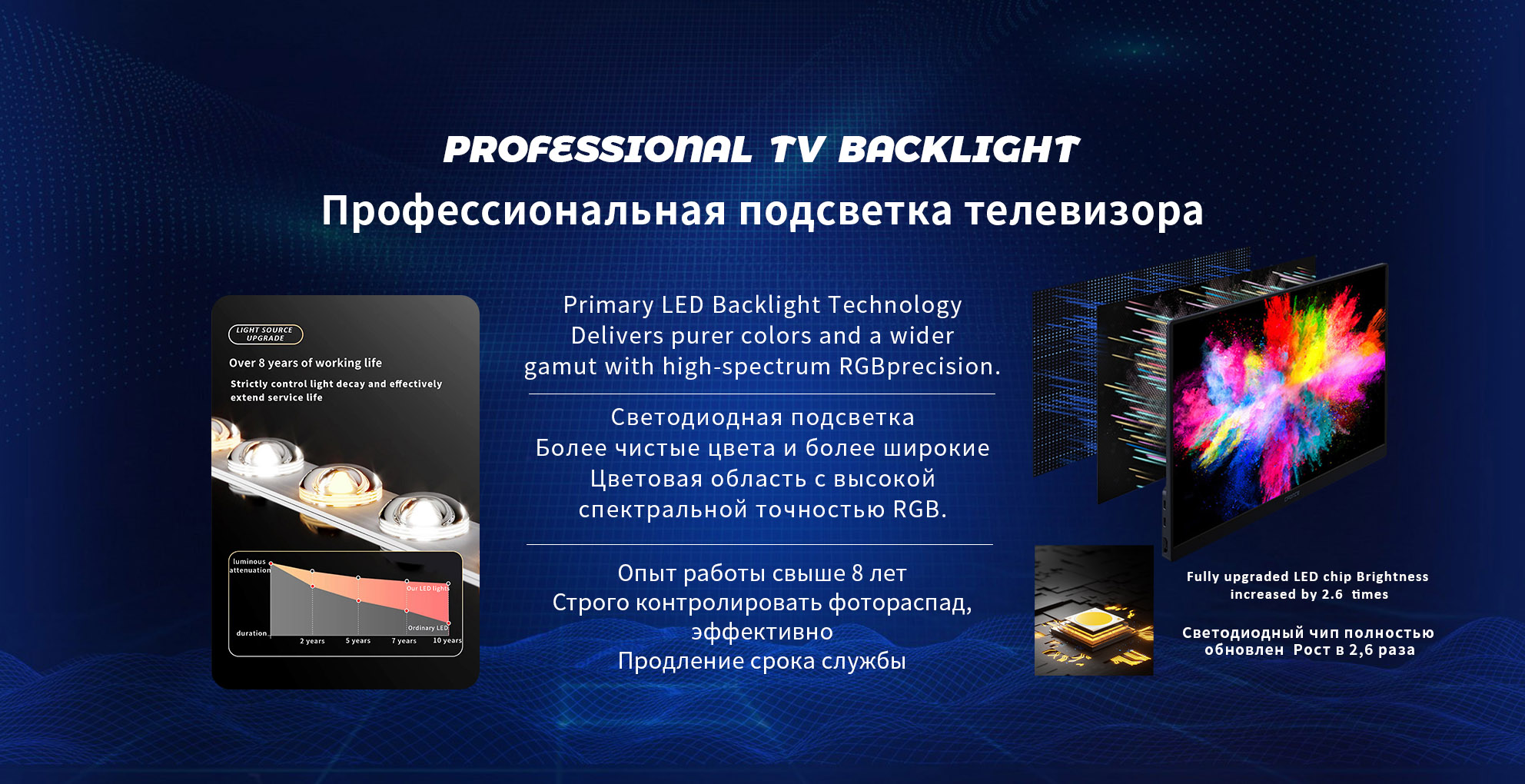
The LED chip type determines brightness efficiency and thermal behavior. High-quality LED TV backlight strips use LEDs with stable luminous output over time, reducing brightness decay after prolonged use. Luminous output consistency is especially important for large-screen TVs, where uneven brightness becomes more noticeable.
Voltage And Current Configuration
Each LED TV backlight strip is designed to operate within a specific voltage and current range. Mismatched electrical parameters can cause premature LED failure or insufficient brightness. For replacement applications, electrical matching is often more critical than physical appearance.
LED Quantity And Optical Layout
The number of LEDs per strip and their spacing directly affect light distribution. An optimized layout minimizes hotspots and dark zones on the screen. TVs with edge-lit designs may use different layouts compared to direct-lit models, making layout compatibility a key selection factor.
Substrate Material And Heat Dissipation
The strip substrate influences thermal management. Aluminum-based substrates are commonly used to dissipate heat efficiently, helping maintain LED lifespan. Poor heat dissipation can accelerate LED degradation even if electrical parameters are correct.
Dimensional Tolerance And Mounting Accuracy
Precise dimensions ensure the strip fits securely into the TV housing without bending or stress. Tight tolerance manufacturing reduces installation time and prevents mechanical damage during assembly or repair.
Common Application Scenarios And Selection Logic
If You Are Replacing A Failed TV Backlight
Choose an LED TV backlight strip that matches the original LED count, voltage, and connector position. Avoid universal replacements unless specifications are confirmed. Using a model-specific option such as a custom LED TV backlight strip improves compatibility and reduces installation risk.
If You Are Producing Or Refurbishing TVs In Volume
Batch consistency becomes critical. Look for suppliers that control LED binning, substrate quality, and electrical testing. Stable production helps ensure uniform brightness across multiple units, reducing post-assembly adjustments.
If You Need Model-Specific Compatibility
Some models require exact replacements due to unique layouts or circuit designs. In these cases, selecting a dedicated solution such as an LED TV backlight strip for Sony models ensures electrical and mechanical alignment with the original design. Reference options like the LED TV backlight strip category for broader compatibility coverage, or a specific model solution such as the Sony TV backlight strip when exact matching is required.
If Long-Term Stability Is A Priority
Focus on heat dissipation design, LED quality control, and aging performance. A slightly higher-grade strip often delivers better long-term value by reducing repeat replacements and warranty issues.
A Practical Specification Checklist For Buyers
| Specification Area | What To Confirm | Why It Matters |
|---|
| TV model compatibility | Model number and screen size | Ensures correct fit and layout |
| Electrical parameters | Voltage and current range | Prevents LED failure |
| LED configuration | Quantity and spacing | Controls brightness uniformity |
| Substrate material | Aluminum or equivalent | Improves heat dissipation |
| Connector type | Position and polarity | Simplifies installation |
| Batch consistency | Production stability | Supports bulk programs |
Quality Control Points That Matter
Reliable LED TV backlight strip suppliers typically implement multiple inspection stages. These include incoming LED testing, in-process electrical checks, dimensional verification, and final illumination testing. For bulk or project buyers, agreeing on inspection standards before production reduces risk and improves consistency.
Customization Options For OEM And Project Buyers
Customization plays an important role in LED TV backlight strip programs, especially for OEM and refurbishment projects. Common customization options include LED count adjustments, voltage configuration tuning, substrate length modification, connector relocation, and packaging tailored for bulk order handling. As a solution provider, a manufacturer that supports OEM/ODM programs can help align the backlight strip with your exact application rather than forcing compromises.
Conclusion
An LED TV backlight strip is essential for restoring and maintaining display performance in LCD televisions. Selecting the right option requires attention to electrical compatibility, optical layout, thermal management, and dimensional accuracy. Whether for repair, refurbishment, or OEM production, matching the strip to the real application ensures stable brightness and longer service life.
If you need assistance identifying the correct LED TV backlight strip or require OEM/ODM support for bulk orders, sharing your TV model and application details allows for a more accurate recommendation and reliable long-term solution.