If you are trying to understand what an led tv backlight strip is, you are usually dealing with one of two situations: a TV that has visible brightness problems, or a project that requires the correct backlight configuration for a specific screen size and model. An LED tv backlight strip is a linear lighting component installed inside an LCD TV. It provides the illumination that passes through the LCD panel layers so the picture can be seen clearly. Without a working backlight, the TV may still produce sound and even show a faint image when you shine a flashlight on the screen, but the display will look dark or completely black.
Unlike older CCFL systems, LED backlighting is compact, energy-efficient, and easier to control for brightness and uniformity. However, the backlight strip is also a wear component. Heat, long daily usage, and electrical stress can cause LEDs to degrade over time, leading to uneven brightness, dark zones, flicker, or total backlight failure. Understanding how the backlight strip works and how it is matched to the TV is the fastest way to avoid incorrect replacements and repeated repairs.
What An LED TV Backlight Strip Does Inside An LCD TV
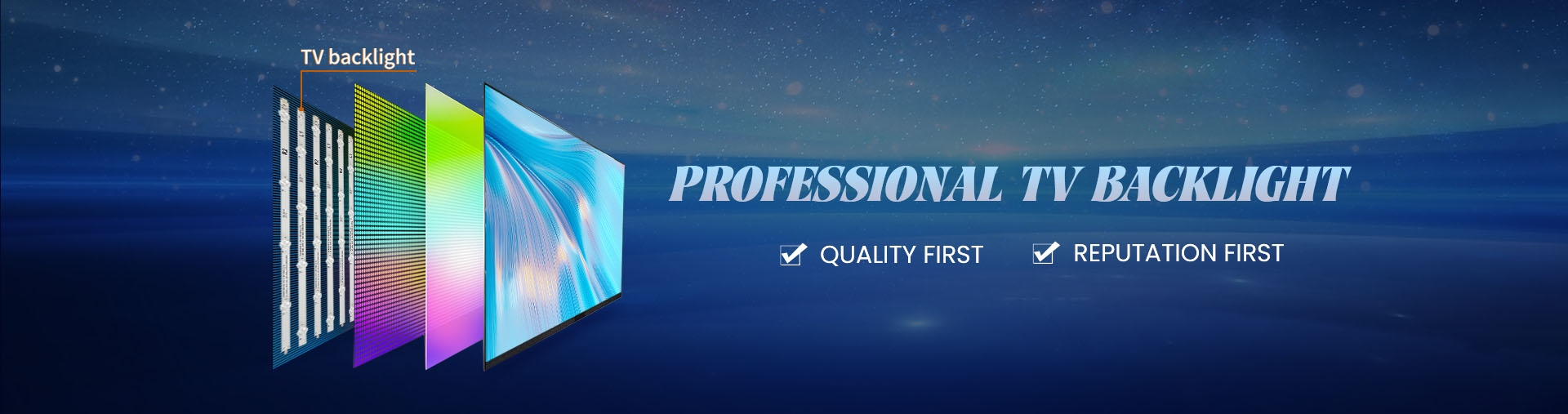
An LED TV backlight strip functions as the TV’s internal light source. In a typical LCD TV structure, the LCD panel does not emit light by itself. Instead, it modulates light coming from behind the panel. The backlight strip produces this light, and optical films and diffusion layers spread it across the screen.
A stable LED TV backlight strip contributes to three outcomes that viewers notice immediately:
Brightness stability so the image does not look dim or washed out
Uniform illumination so there are no bright spots or dark corners
Consistent color presentation because uneven lighting can distort perceived contrast and tone
When the strip degrades, symptoms often appear gradually, not suddenly. That is why many repair programs focus on matching the correct strip specification rather than only replacing what appears physically similar.
Common Signs Of LED TV Backlight Strip Problems
Backlight problems are often mistaken for panel failure. In practice, many “screen is black” cases are caused by the backlight strip rather than the LCD panel itself.
Typical backlight strip failure signs include:
TV has sound but no picture or the picture is only visible under a flashlight test
Dark spots or shadow areas that stay in the same location on the screen
Flickering brightness especially during startup or scene changes
Uneven brightness bands which can look like vertical or horizontal shading
Backlight shuts off after a few seconds due to protection triggering from abnormal load
These symptoms can also relate to the driver board, but the backlight strip is a common root cause, especially in TVs with high daily operating hours.
Main Types Of LED TV Backlight Systems
Not all led tv backlight strips are used the same way. The layout depends on how the TV’s backlight system is designed.
Edge-Lit Backlight Strips
Edge-lit TVs place LED strips along the edges of the screen. Light is guided across the panel using a light guide plate. This design can be thin and efficient, but it may be more sensitive to uniformity issues if the optical structure is not well matched.
Edge-lit replacements require careful attention to strip length, connector position, and LED spacing because the optical path depends on the original layout.
Direct-Lit Backlight Strips
Direct-lit TVs position LED strips behind the screen in multiple rows. This layout can improve uniformity and brightness, especially on large screens. The number of strips, the LED count per strip, and the electrical configuration must match the original design to maintain correct current distribution.
For direct-lit systems, choosing the correct strip set is essential because the driver and protection logic is tuned to the original load.
Key Specifications That Matter When Matching A Replacement Strip
To avoid mismatches, you should treat an LED TV backlight strip as an engineered component, not a generic LED bar. The most important matching factors are electrical, mechanical, and optical.
Electrical Parameters: Voltage And Current
Backlight strips are designed to operate at specific voltage ranges based on LED count and series configuration. If a replacement strip has a different forward voltage, the driver may under-power the strip or overdrive it, leading to reduced brightness stability or premature LED failure.
In model-specific replacements, electrical matching is usually the first requirement.
LED Count, Spacing, And Optical Behavior
The number of LEDs and spacing influences the light distribution. Even if the strip “fits,” different LED spacing can change diffusion behavior and create hotspots or shadow zones. This is especially critical for edge-lit designs and for large screens where small differences become visible.
Substrate And Heat Dissipation
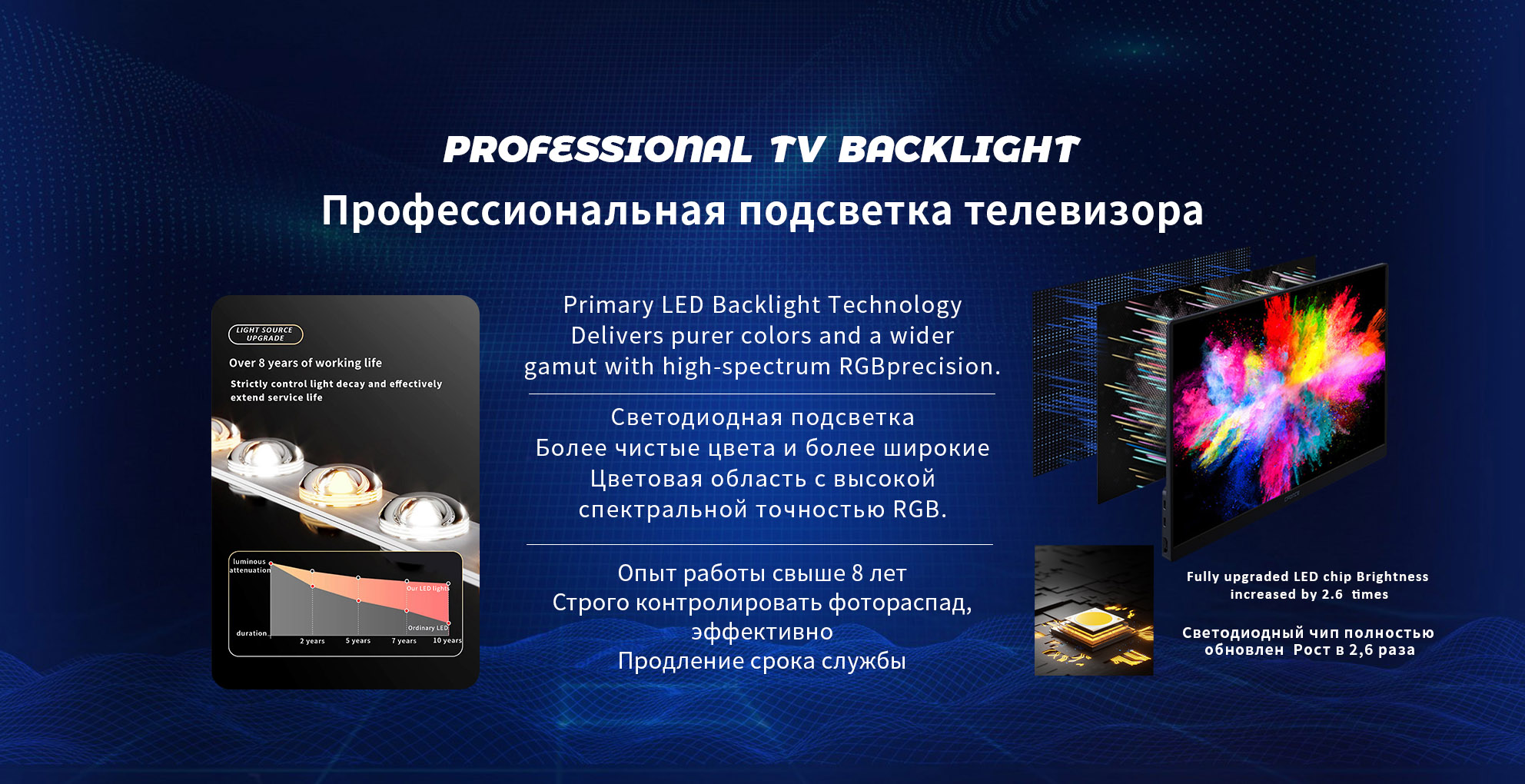
Thermal management is a major driver of service life. Many tv backlight strips use aluminum substrates to improve heat dissipation. Better heat transfer helps maintain LED junction temperature within a safer range during long usage hours, reducing brightness decay.
Connector Position And Mechanical Fit
Mounting holes, strip length, connector type, and wire routing must align with the original TV chassis. A small mismatch can lead to installation stress, poor contact, or repeated rework.
If you are selecting a replacement option, a structured reference like the LED TV backlight strip category can help you compare compatible solutions by type and specification rather than relying on appearance alone.
Why Model-Specific Backlight Strips Reduce Repair Risk
Many TV models use a dedicated layout. Even within the same brand, different screen sizes or panel generations can use different strip sets. Model-specific replacements reduce the chance of problems such as brightness inconsistency, driver protection triggering, or mechanical mismatch.
For Sony TV programs, using a matched option can help ensure correct electrical loading and physical layout. If your TV requires a specific replacement, a model-targeted reference such as the Sony TV backlight strip page is a practical way to confirm the configuration before ordering.
A Simple Checklist Before You Confirm A Backlight Strip
Use the checklist below to reduce errors, especially for bulk replacement programs or repeated repairs.
| Item To Confirm | What You Need | Why It Matters |
|---|
| TV model and size | Model code, screen size | Prevents incompatible layouts |
| Backlight system type | Edge-lit or direct-lit | Determines strip layout and count |
| LED configuration | LED count per strip, strip quantity | Controls voltage and brightness |
| Connector details | Position, polarity, connector style | Avoids wiring mismatch |
| Mechanical fit | Length, mounting holes | Prevents installation stress |
| Optical match | LED spacing, lens type if applicable | Reduces hotspots and dark zones |
If you have the original strip code printed on the strip or packaging, include that in your confirmation process. It often speeds up matching and reduces guesswork.
Customization Options For OEM And Bulk Programs
If you work with a consistent set of models or refurbish TVs at scale, customization can help stabilize long-term supply and reduce variation. Common customization directions include adjusting strip length, LED count, connector position, packaging labeling, and specification documentation. For bulk order programs, an OEM/ODM workflow is usually most effective when drawings, electrical parameters, and inspection criteria are confirmed before production.
Conclusion
An LED TV backlight strip is the internal light source that allows an LCD TV to display a visible image. It directly affects brightness, uniformity, and perceived picture quality. When the backlight strip fails or degrades, common symptoms include a dark screen with sound, flicker, and uneven illumination. To select the right replacement, focus on electrical matching, LED configuration, thermal design, and mechanical fit, especially for model-specific applications.
If you want to confirm the correct backlight strip for a particular TV model or plan a stable bulk replacement program, sharing the model information and original strip details helps ensure an accurate match and consistent performance.