Understanding the fundamental differences between backlight and edge light is essential for selecting the right light source solution for display devices, as each technology has distinct structural designs, performance characteristics and application scenarios. The edge type backlight has become a staple for slim display designs, while traditional backlight technology remains the top choice for high-brightness and high-uniformity display requirements. Industry research indicates that the global market share of edge light solutions for mid-to-small size displays has reached 78%, while direct backlight technology holds over 90% market share for large-size and high-end display devices. Both technologies have evolved significantly with advanced manufacturing processes, and the choice between them hinges on precise alignment with display device specifications, design goals and usage environments.
Display device performance is directly tied to the light source technology it adopts, and the core difference between backlight and edge light lies in their light emission positions and light transmission mechanisms. This structural distinction leads to variations in brightness uniformity, screen thickness, energy consumption and production precision requirements. Professional manufacturers optimize material selection and structural design for each technology, tailoring performance parameters to meet specific display needs. For display device production, mastering the technical differences and application scope of these two light source solutions is the key to achieving optimal product performance and cost-effectiveness.
Core Structural Differences Between Backlight and Edge Light
The most significant divergence between backlight and edge light is their structural design and light emission layout, which directly shape their physical characteristics and installation requirements. The edge type backlight features a compact structural design that prioritizes screen thinness, while direct backlight technology uses a dense array of light sources for superior optical performance. The structural design of each technology also dictates the production precision standards, with both requiring industry-leading assembly equipment to ensure product consistency.
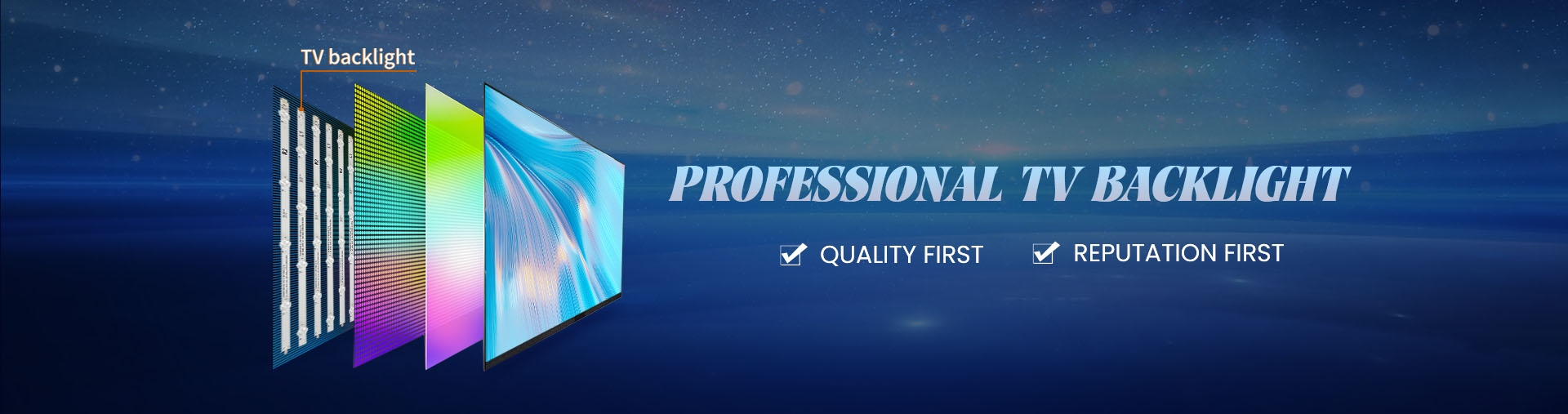
Direct Backlight Structure Direct backlight technology places light source strips directly behind the LCD panel in a dense array, with the light emitted vertically toward the screen surface. The structure typically includes multiple rows of LED light strips, a diffuser plate, and optical films that work together to distribute light evenly across the entire display area. The assembly tolerance for direct backlight components is controlled within ±0.05mm to ensure uniform light emission, and the structural design allows for easy adjustment of brightness by adding or reducing the number of LED lamp beads.
Edge Light Structure Edge light technology, by contrast, positions LED light strips on one or more sides of the display module’s light guide plate. Light is injected into the light guide plate and transmitted horizontally before being reflected outward to illuminate the screen. The edge type backlight has a simplified structure with fewer light strips and no need for a dense rear array, resulting in a much thinner display profile. The production of this technology places high demands on the light guide plate’s precision and light transmission efficiency, with the light utilization rate required to reach over 92% to meet standard display brightness requirements.
Key Performance Differences Between Backlight and Edge Light
Structural differences translate to clear performance variations between backlight and edge light, spanning brightness uniformity, color consistency, energy consumption and heat generation. These performance metrics are critical for matching display devices to specific application scenarios, and each technology has inherent advantages that make it suitable for different design and usage requirements. led edge tv backlight products undergo specialized performance optimization to compensate for structural limitations, while direct backlight products are enhanced for maximum brightness and stability.
Brightness and Uniformity Direct backlight technology delivers superior brightness uniformity, with the effective display area achieving over 98% uniformity and no visible bright spots or dark areas. The standard brightness range for direct backlight solutions is 400 to 1500 nits, making it ideal for large-size screens and high-brightness display scenarios. Edge type backlight has a brightness uniformity of approximately 92% to 95% for the full screen, with a standard brightness range of 300 to 800 nits, which is sufficient for mainstream household and small-to-medium size display needs.
Energy Consumption and Heat Generation Edge light technology uses fewer LED lamp beads and has a higher light transmission efficiency, resulting in lower energy consumption—its light efficiency reaches over 160 lm/W, 15% higher than the average for direct backlight solutions. The edge type backlight also generates less heat, with the surface working temperature controlled below 45℃, reducing the need for complex heat dissipation structures. Direct backlight technology, with its dense light source array, has a light efficiency of around 140 to 150 lm/W and a surface working temperature of 50℃ to 60℃, requiring matching heat dissipation components to ensure long-term stability.
Color Consistency and Gamut Coverage Direct backlight technology supports a more uniform color output across the entire screen, with color temperature deviation controlled below 80K and color gamut coverage reaching up to 98% DCI-P3 for high-end models. This makes it the preferred choice for professional color display scenarios such as design and video editing. Edge type backlight has a color temperature deviation of approximately 100K, with mainstream models achieving 92% to 95% DCI-P3 color gamut coverage, meeting the color requirements of household viewing and general commercial display.
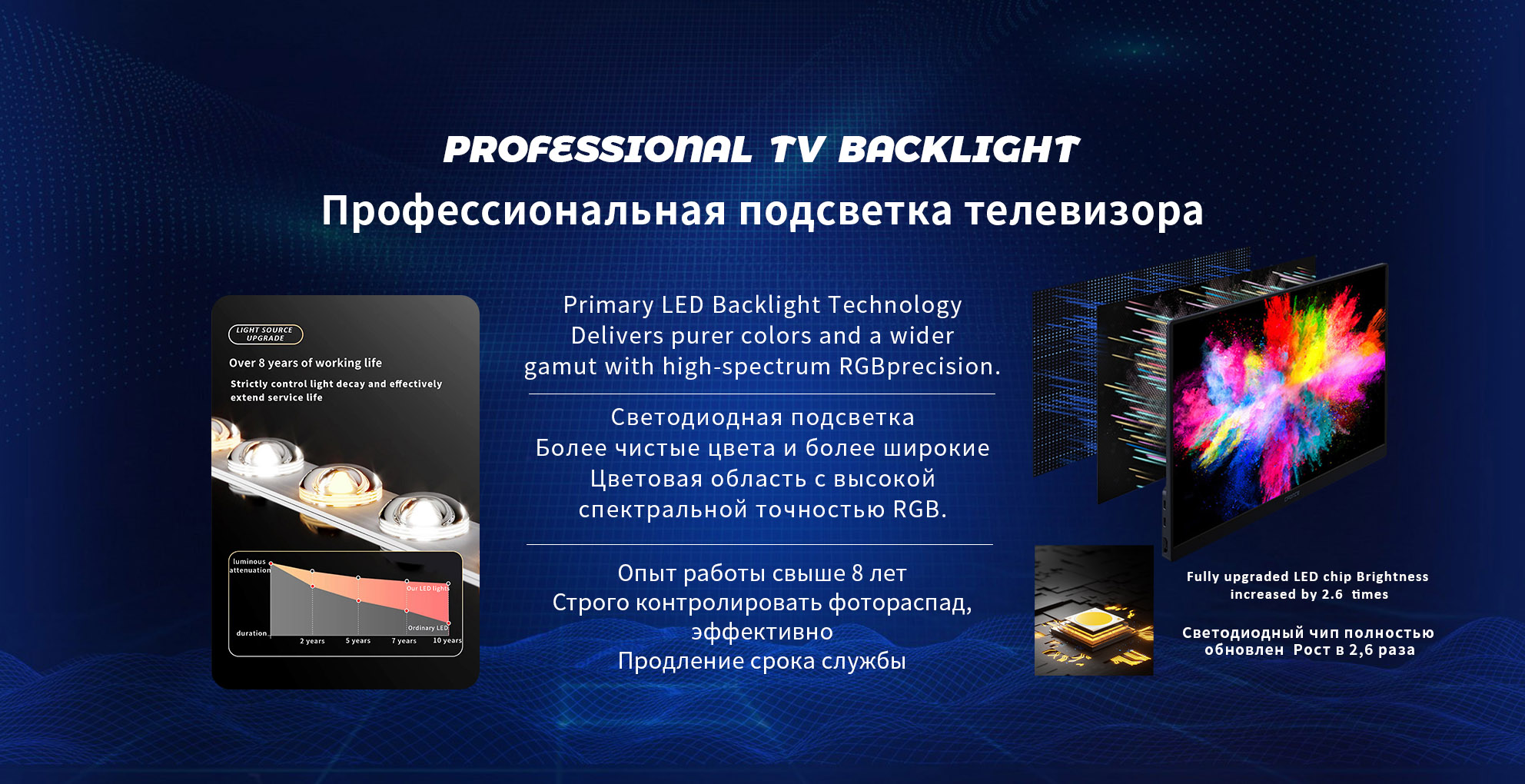
Service Life and Light Decay Both technologies have a design service life of 50,000 hours under standard working conditions, but their light decay rates differ due to heat generation differences. The edge type backlight has a light decay rate of less than 25% after 50,000 hours of use, while direct backlight technology has a light decay rate of approximately 30% for the same period. For commercial display devices with continuous working requirements, both technologies can be optimized with high-temperature resistant materials to reduce light decay to less than 20% after 80,000 hours of use.
Application Scenario Differences Between Backlight and Edge Light
The performance and structural characteristics of backlight and edge light determine their distinct application scopes, and the right technology selection must align with the display device’s size, usage environment and design goals. Led edge tv backlight solutions are optimized for portability and slim design, while direct backlight technology is tailored for large-size, high-performance and professional display scenarios. Professional manufacturers have developed scenario-specific product lines for both technologies, ensuring optimal performance in their intended applications.
Direct Backlight Application Scenarios
Direct backlight technology is the ideal choice for large-size display devices (55 inches and above), including high-end household TVs, commercial spliced large screens, outdoor billboards and professional monitoring displays. Its high brightness, superior uniformity and wide color gamut make it suitable for scenarios requiring clear display in bright environments or professional color reproduction. The technology is also used for medical display screens and industrial control displays, where display accuracy and stability are critical.
Edge Light Application Scenarios
Edge type backlight is the primary choice for slim and portable display devices (under 55 inches), including mainstream household slim TVs, tablet computers, laptop screens and small-size commercial display screens such as teaching screens and public guidance screens. Its thin structure, low energy consumption and low heat generation make it suitable for compact design requirements, and its performance fully meets the viewing needs of household and general commercial scenarios. Led edge tv backlight ultra-slim models can reduce the display thickness to less than 10mm, meeting the aesthetic and space-saving design demands of modern display devices.
Production and Customization Advantages of StarSharp for Backlight and Edge Light
As a leading enterprise in the display backlight industry with ten years of R&D and production experience, StarSharp has in-depth technical accumulation and mature production capacity for both direct backlight and edge type backlight technologies. The company has built a complete product system covering all specifications and application scenarios of both technologies, with an annual production and sales capacity of over 26 million units and more than 5000 different product specifications and models. StarSharp’s advanced manufacturing processes and customer-centric customization services make it a reliable supplier of display backlight solutions, with products exported to more than 60 countries and regions to serve diverse display device production needs.
| Advantage Category | Direct Backlight & Edge Type Backlight Strengths |
|---|
| Product Completeness | Covers all size ranges and application scenarios of direct backlight and edge light, including led edge tv backlight ultra-slim models and high-brightness direct backlight commercial models |
| Manufacturing Precision | 10 automated production lines with industry-leading assembly equipment, assembly tolerance controlled within ±0.05mm for all products to ensure light emission consistency |
| Quality Certification | All products obtain ISO9001 quality management system certification, RoHS environmental protection certification and photobiological safety certification, meeting global market access standards |
| Scenario Customization | Provides personalized customization for both technologies, optimizing brightness, color gamut, heat dissipation structure and thickness according to specific display device design requirements |
| Raw Material Quality | Adheres to using original high-quality raw materials, including high-brightness LED lamp beads, high-transmission light guide plates and high-temperature resistant circuit boards, ensuring product service life and performance |
| R&D Innovation | Maintains a dedicated R&D team for both backlight technologies, continuously optimizing light transmission efficiency and energy consumption, and launching Mini LED upgraded models for both direct and edge light solutions |
StarSharp’s production process for both backlight and edge light technologies follows an eight-core strict manufacturing flow, including printing, lamp bead mounting, reflow soldering, dispense, lens placement, glue cures, comprehensive testing and packaging. Every product undergoes 100% full performance testing before leaving the factory, with the unqualified rate controlled below 0.03%. The company also provides comprehensive technical support and after-sales service for its products, including detailed product manuals, installation guidance and on-site technical support, ensuring that display device manufacturers can fully leverage the performance advantages of the selected backlight technology.
For display device production, there is no absolute superior choice between backlight and edge light—only the most suitable one for specific design and application requirements. The edge type backlight excels in slim design and energy efficiency, while direct backlight technology leads in brightness, uniformity and professional color performance. With the continuous development of display technologies such as Mini LED and 8K, both backlight and edge light technologies are undergoing iterative upgrades, with enhanced performance and expanded application scenarios.
StarSharp will continue to focus on the R&D and innovation of both backlight technologies, keeping pace with the latest trends in the display industry to optimize product performance and structural design. The company will also further enrich its product line and customization capabilities, providing more high-performance, high-reliability and cost-effective backlight solutions for the global display industry. The development of display backlight technology is an important driving force for the upgrading of the entire display industry chain, and StarSharp will remain committed to professional manufacturing and technological innovation to create more value for display device production with high-quality products and comprehensive services.