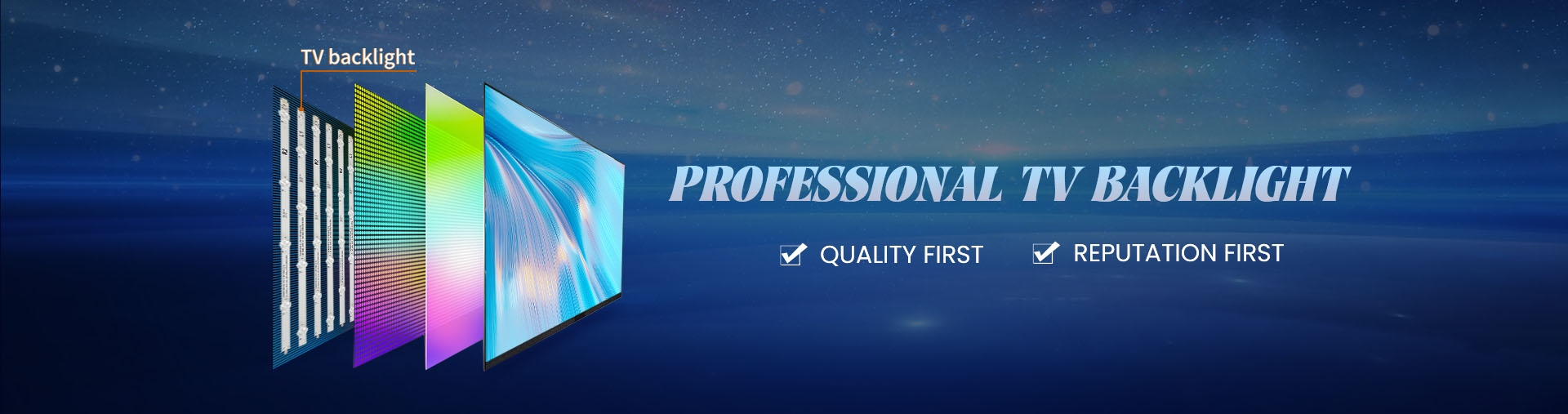
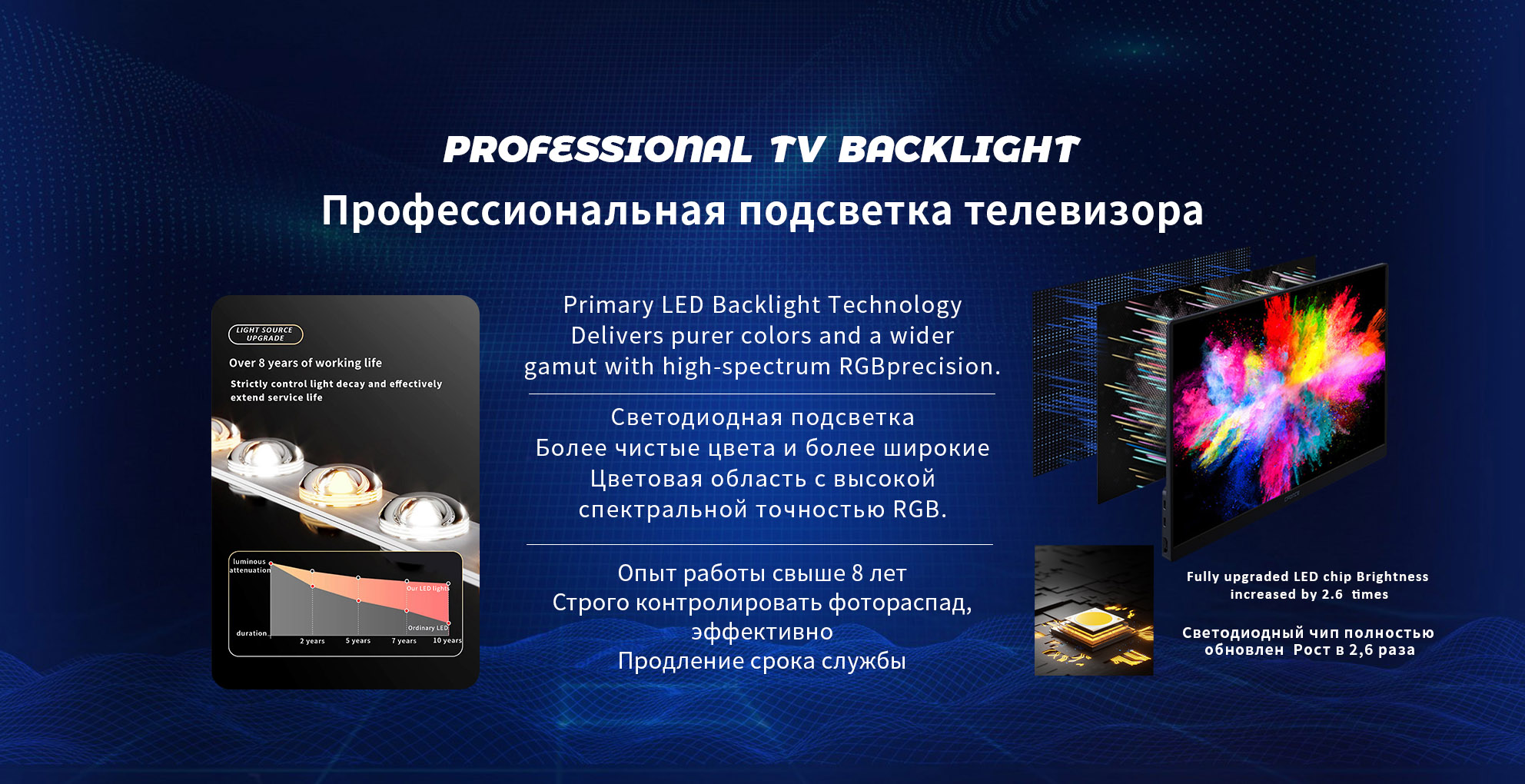
LED backlight failure is a primary issue that impacts the performance and service life of display devices, and identifying the root causes of these failures is critical for optimizing production processes, improving product design and enhancing the overall reliability of display systems. Industry data reveals that over 80% of LED backlight failures occur within the first 3 years of use, with nearly 65% of these issues stemming from environmental factors and improper operational conditions rather than inherent product defects. Even precision-engineered products like the lenovo tv backlight strip can experience premature failure without proper manufacturing control and usage conditions, making it essential for manufacturers to understand failure triggers and implement targeted prevention measures throughout the product lifecycle.
The design service life of a standard Led Backlight Strip is 50,000 hours or more under optimal working conditions, but real-world failure rates deviate significantly from this benchmark due to a combination of material, production, environmental and operational factors. From raw material selection to assembly precision, and from working temperature to power supply stability, every link in the production and application process can influence the likelihood of failure. Professional manufacturers analyze failure data to refine production standards and product design, and this proactive approach is key to reducing failure rates and elevating product quality across the board.
Environmental Factors Leading to LED Backlight Failure
Harsh or unstable environmental conditions are the most common cause of LED backlight failure, as these components are highly sensitive to temperature, humidity, dust and physical vibration. The lenovo tv backlight strip, like all high-precision LED backlight products, requires a controlled working environment to maintain optimal performance, and prolonged exposure to extreme conditions accelerates component aging and functional degradation. Industry testing shows that environmental factors account for 45% of all LED backlight failure cases, with temperature and humidity being the most impactful variables.
Extreme Temperature Fluctuations LED backlight strips operate optimally in a temperature range of 0℃ to 40℃; continuous exposure to temperatures above 50℃ causes rapid light decay of LED lamp beads and oxidation of circuit board conductors. High temperatures also weaken the adhesion of structural adhesives, leading to lens displacement and light emission unevenness. Conversely, temperatures below -10℃ cause the light guide plate to become brittle and prone to cracking, and the electrolyte in drive components to thicken, resulting in unstable power transmission.
High Humidity and Moisture Infiltration Relative humidity exceeding 70% leads to moisture infiltration into the LED backlight strip’s internal circuitry, causing short circuits and corrosion of metal contacts. Even with basic protective coatings, prolonged high humidity results in pinhole corrosion on circuit boards, with failure rates increasing by 300% in environments with 85% or higher relative humidity. Moisture also causes fogging on optical components, reducing light transmission efficiency and leading to dim or uneven screen display.
Dust and Contaminant Accumulation Dust, lint and other contaminants accumulate on the surface of LED lamp beads and heat dissipation components, blocking heat transfer and causing localized overheating. This accumulated debris also scratches optical lenses and light guide plates during device operation, further reducing display quality. In industrial or outdoor environments, particulate contaminants can infiltrate the strip’s casing and cause circuit short circuits, a leading cause of sudden LED backlight failure.
Continuous Vibration and Physical Impact Uncontrolled vibration or physical impact loosens the solder joints of LED lamp beads and circuit board connections, leading to intermittent power supply and partial light failure. Vibration also displaces the fixed structure of the lenovo tv backlight strip, causing the strip to rub against the display module and damage both the backlight and the panel. Display devices used in mobile or industrial settings are particularly susceptible to this type of failure without proper shock absorption design.
Electrical and Power Supply Related Failures
Unstable electrical conditions and mismatched power supply parameters are the second leading cause of LED backlight failure, accounting for 30% of all industry failure cases. LED backlight strips have strict electrical operating specifications, and any deviation from rated voltage, current or power supply stability can cause immediate or gradual component damage. The lenovo tv backlight strip is engineered to precise electrical standards, and improper power matching negates its design advantages and leads to premature failure.
Voltage and Current Fluctuations Voltage spikes above 120% of the rated value cause instantaneous burnout of LED lamp beads and drive ICs, while sustained undervoltage operation leads to insufficient light emission and increased circuit load. Current fluctuations greater than ±5% of the rated value create uneven power distribution across the strip, causing individual lamp beads to overwork and fail prematurely. Power supply surges from electrical grid instability are a common cause of sudden voltage-related failures.
Mismatched Drive Circuits Using a drive circuit with incompatible electrical parameters for the LED backlight strip disrupts the current regulation system, leading to constant overcurrent or undercurrent operation. This mismatch also causes poor communication between the backlight and the display’s main control board, resulting in flicker, strobing or complete light failure. Custom LED backlight products require custom-matched drive circuits to ensure electrical compatibility.
Standby Power Consumption and Long-Term Idle Continuous standby power consumption, even at low levels, causes slow aging of the LED backlight strip’s circuit components and capacitor degradation. Display devices left in standby mode for extended periods experience a 20% higher failure rate than those powered off completely when not in use. Long-term idle storage without proper anti-static and moisture-proof packaging also leads to component oxidation and reduced performance.
Grounding and Electromagnetic Interference Poor grounding of display devices leads to electrostatic buildup, which discharges into the LED backlight strip and damages sensitive semiconductor components. Electromagnetic interference from nearby electrical equipment disrupts the strip’s signal transmission, causing flicker and inconsistent light emission. Over time, electromagnetic interference degrades the drive circuit’s performance, leading to permanent failure.
Production and Material Quality Related Failures
Inferior raw materials and imprecise production processes are the root cause of inherent LED backlight failures, accounting for 25% of industry failure cases. These issues are avoidable with strict quality control and adherence to high manufacturing standards, and professional manufacturers implement multi-layered testing to eliminate material and production defects before products leave the factory. The lenovo tv backlight strip is produced with premium raw materials and high-precision assembly, and this attention to quality minimizes inherent failure risks.
Low-Quality Raw Materials Using substandard LED lamp beads with inconsistent brightness and high light decay rates leads to premature performance degradation. Inferior circuit boards with thin copper layers oxidize quickly, and low-grade adhesives and optical components lose their properties under normal working conditions. Raw materials that do not meet environmental and safety standards also fail prematurely in harsh operating environments.
Imprecise Assembly and Manufacturing Lamp bead mounting errors greater than ±0.05mm cause uneven light emission and increased stress on individual components. Poor reflow soldering leads to cold solder joints and virtual soldering, which result in intermittent power supply and component failure. Inadequate dispensing of protective and heat-conductive glue reduces heat dissipation efficiency and leaves components vulnerable to environmental damage.
Insufficient Quality Testing Skipping or simplifying post-production quality testing allows defective products to enter the market, including those with dead lamp beads, short circuits and uneven brightness. Comprehensive testing for electrical performance, environmental adaptability and structural stability is essential to identify and eliminate defective products before they are shipped.
StarSharp’s Advantages in Preventing LED Backlight Failure
As a leading enterprise in the LED backlight industry with ten years of R&D and production experience, StarSharp has implemented a comprehensive failure prevention system across raw material selection, production manufacturing, quality testing and product design. The company’s expertise in engineering precision products like the lenovo tv backlight strip translates to a full product line with ultra-low failure rates, and StarSharp’s focus on root cause analysis of failures drives continuous product and process optimization. With an annual production and sales capacity of over 26 million units and more than 5000 product specifications, StarSharp has established a reputation for reliable, high-performance LED backlight strips exported to over 60 countries and regions.
| Advantage Category | LED Backlight Failure Prevention Strengths |
|---|
| Premium Raw Material Sourcing | Adheres to using 100% original raw materials, including high-brightness low-decay LED lamp beads, high-temperature resistant FR-4 circuit boards and high-transmission optical components, with strict incoming material inspection |
| High-Precision Manufacturing | 10 fully automated production lines with industry-leading equipment, lamp bead mounting error controlled within ±0.05mm, and precise reflow soldering and dispensing processes to ensure structural and electrical stability |
| Comprehensive Quality Testing | 100% full performance testing for all products, including electrical performance, environmental adaptability, vibration resistance and aging tests, unqualified rate controlled below 0.03% |
| Design Optimization for Reliability | Product design integrates heat dissipation, moisture proofing and shock absorption features, with voltage and current protection circuits built into all LED backlight strips to resist electrical fluctuations |
| ISO9001 and RoHS Certification | All products meet international quality and environmental standards, with materials and processes optimized for long-term durability in diverse working environments |
| Customized Engineering Support | Provides tailored product design and drive circuit matching for specific applications, ensuring electrical and structural compatibility to eliminate application-related failures |
StarSharp’s production process follows an eight-step strict quality control flow—printing, lamp bead mounting, reflow soldering, dispense, lens placement, glue cures, comprehensive testing and packaging—with each step monitored by professional quality control personnel. The company also conducts ongoing failure analysis on returned products, using real-world data to refine production standards and product design. This data-driven approach ensures that StarSharp’s LED backlight strips, including custom products like the lenovo tv backlight strip, are engineered to resist the most common failure causes and deliver long-term reliability.
Preventing LED backlight failure requires a holistic approach that addresses material quality, production precision, environmental protection and electrical compatibility. Every link in the product lifecycle, from raw material selection to end-use operation, plays a role in determining failure risk, and manufacturers must implement targeted prevention measures at each stage. The industry’s focus on reducing failure rates drives continuous innovation in material science, manufacturing technology and product design, with reliability becoming a key competitive factor for LED backlight strip producers.
StarSharp will continue to invest in R&D for failure prevention technology, optimizing product design and production processes to further reduce LED backlight failure rates. The company’s commitment to quality and reliability extends beyond product manufacturing to comprehensive technical support, providing customers with guidance on proper installation, operation and maintenance to maximize product lifespan. As the display industry evolves with advanced technologies like Mini LED and 8K, StarSharp will remain at the forefront of failure prevention engineering, delivering high-performance, long-lasting LED backlight solutions for the global display market.