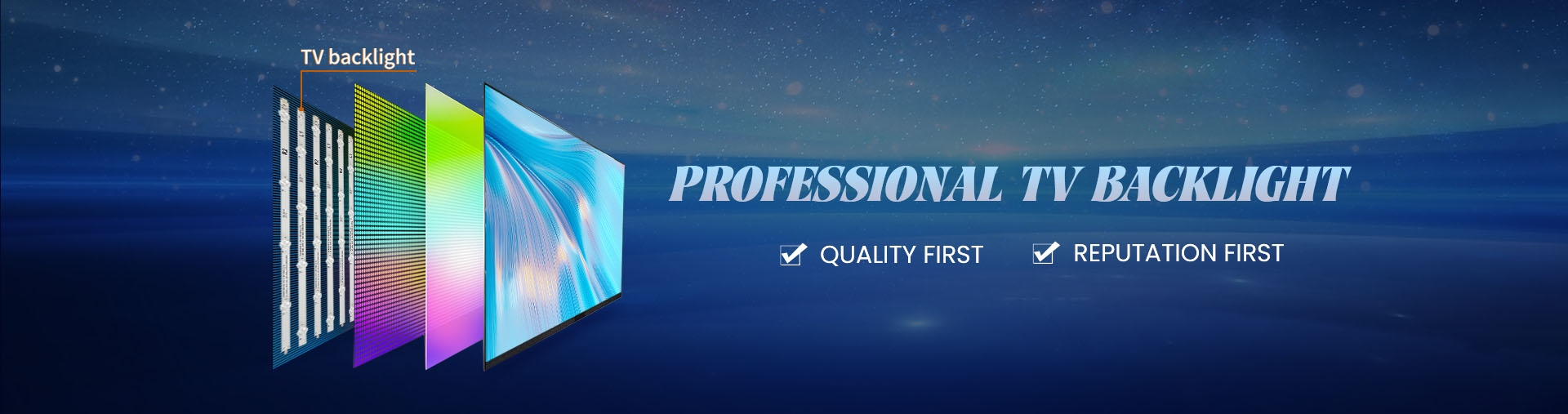
Backlight overheating is a common cause of screen darkening, LED burnout, and repeated repair failure. tv backlight overheating causes usually include excessive current, poor heat dissipation, low-quality PCB material, wrong strip matching, or aging diffusion structure inside the TV.
Heat Begins At The LED Junction
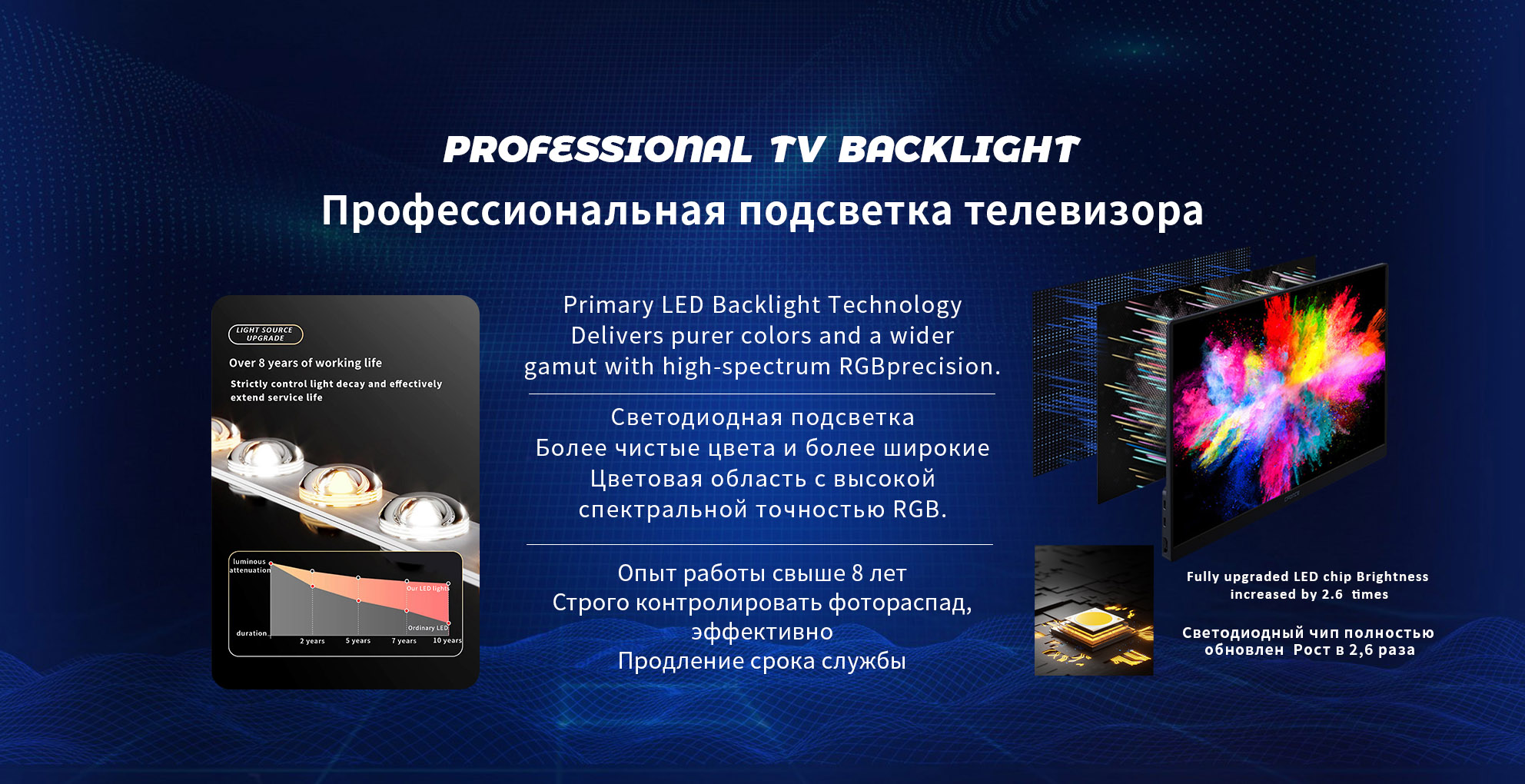
LEDs convert electrical energy into light, but part of that energy becomes heat. When heat cannot move away from the LED junction quickly, brightness drops and lifetime becomes shorter. LED industry reliability guidance commonly links higher junction temperature with faster lumen depreciation.
For repair parts, led overheating is often connected with wrong current matching. A strip may light normally during testing, but after installation it may run too hot because the TV driver output does not match the LED circuit.
PCB Material Changes Heat Transfer
Aluminum PCB usually offers better heat transfer than ordinary FR4 board. For high-power backlight strips, poor PCB material can keep heat around the LED bead and reduce lifespan.
| Overheating Factor | Possible Result |
|---|
| Excessive current | LED burnout |
| Poor PCB heat transfer | Fast brightness decay |
| Wrong voltage group | Driver stress |
| Weak lens adhesive | Lens falling risk |
| Dust inside panel | Uneven heat area |
| Poor ventilation | Higher internal temperature |
backlight strips work inside a closed TV cavity, so heat has limited space to escape. This makes material control more important than many buyers expect.
Installation Mistakes Can Add Heat
Some strips must contact the metal backplate tightly. If the strip is bent, lifted, or installed with poor adhesive contact, heat transfer becomes weaker. Missing screws or uneven mounting can also create hot zones.
Repair technicians should clean the installation surface and avoid pressing the lens area. A strip with correct specification can still fail if it is installed loosely.
Stable Supply Reduces Overheating Risk
A reliable electronics supplier should not only sell a strip that lights up. The supplier should control LED current rating, PCB material, lens adhesive, connector quality, and batch testing.
StarSharp focuses on model matching and production stability for tv backlight strips. For wholesalers and repair channels, this helps reduce repeat failure after installation.
Better Checks Before Purchase
Buyers should confirm original strip code, TV model, panel code, LED quantity, strip voltage, and PCB material. When overheating has already happened in a repair market, it is useful to check whether the old strip failed because of driver fault or strip quality.
Solving overheating requires the right part and correct installation. StarSharp can help buyers compare specifications and select replacement strips with better thermal stability.