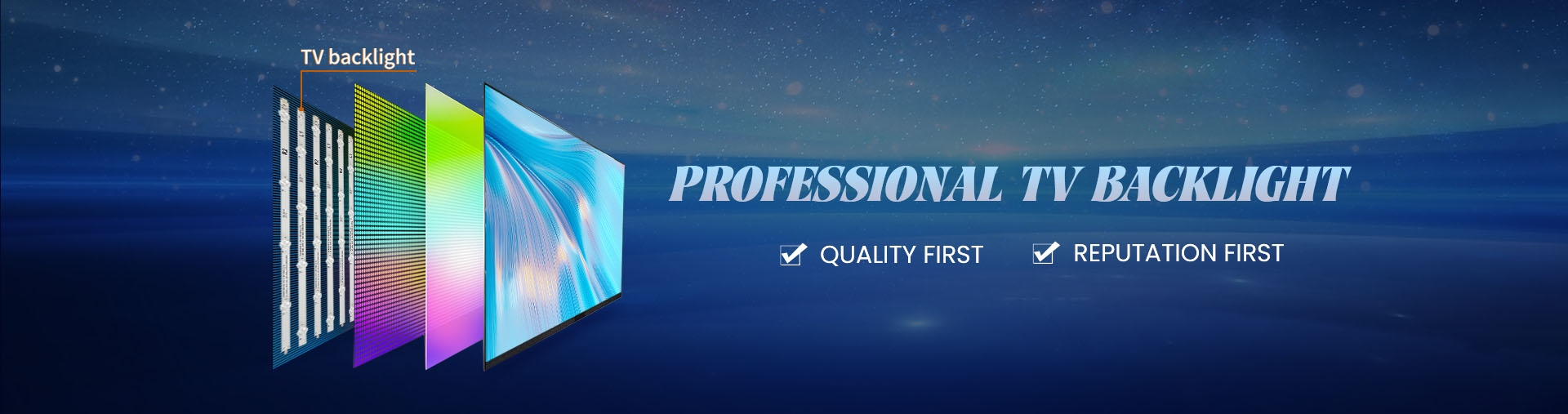
Led Backlight Strips may look simple, but the material structure directly affects brightness, heat control, installation accuracy, and service life. For TV repair supply, wholesale distribution, and OEM spare parts programs, understanding led materials helps buyers judge whether a replacement strip is suitable for long-term use. The main materials used in tv backlight strips usually include LED beads, aluminum or PCB base, copper circuit layer, optical lenses, reflector materials, adhesive, connectors, and protective packaging.
LED Beads and Light Output
The LED bead is the core light source. Its voltage, brightness bin, color consistency, and chip quality affect the final screen result. Common tv backlight strips may use 3V or 6V LED beads depending on the original circuit design. Mixing different voltage versions can cause failure, dim brightness, or short service life.
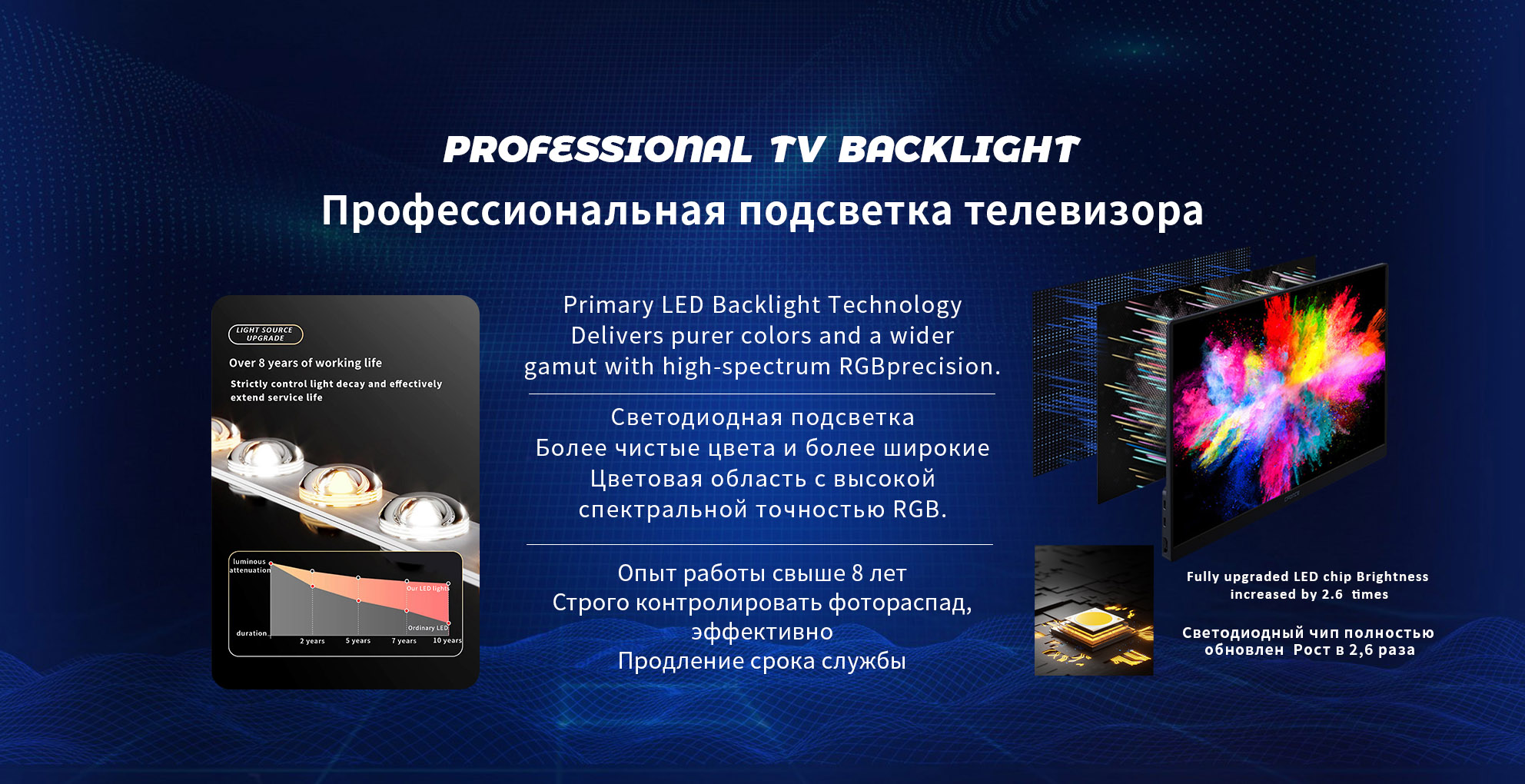
Lumen maintenance is also important. LED useful life is often explained by L70, meaning light output has dropped to 70% of the initial level. This industry concept helps buyers understand why brightness decay, rather than complete failure, is often the first visible sign of aging.
Base Material and Heat Dissipation
The strip base supports LED mounting, circuit conduction, heat transfer, and mechanical positioning. Aluminum base materials are widely used in TV backlight strips because they help move heat away from LED beads. PCB technical references commonly describe aluminum board thermal conductivity around 200 W/mK, much higher than many plastic or standard board materials.
Better heat transfer helps slow brightness decay and reduce the risk of repeated failure after repair. This is why a reliable OEM electronics supplier should check not only LED brightness, but also strip base thickness, surface finish, circuit quality, and adhesive strength.
Optical Lenses and Reflector Parts
Optical lenses spread LED light evenly across the diffuser system. Lens angle, height, center alignment, and glue bonding quality can decide whether the screen shows smooth brightness or visible bright spots. Reflector sheets or reflective tape can improve light utilization and reduce dark areas inside the panel structure.
StarSharp product information describes backlight strips with process options such as reflector sheet and blue tape solutions for light reflection efficiency and structural stability.
| Material | Main Function | Quality Concern |
|---|
| LED bead | Provides light output | Brightness bin, voltage |
| Aluminum base | Heat transfer and support | Flatness, thickness |
| Copper circuit | Current transmission | Solder stability |
| Optical lens | Light distribution | Centering, glue strength |
| Reflector material | Improves light efficiency | Peeling, aging |
| Connector | Electrical connection | Pin fit, direction |
| Packaging foam | Transport protection | Bending and lens damage |
Adhesive and Soldering Materials
Adhesive quality affects lens bonding and strip mounting. If the lens glue weakens during heat cycling, the lens may shift or fall, creating obvious bright spots. Solder material and process control also matter because poor solder joints can cause intermittent lighting, open circuit failure, or unstable brightness.
RoHS compliance is also relevant for electronic components sold into regulated markets. The European Commission explains that RoHS restricts ten substances in electrical and electronic equipment, including lead, cadmium, mercury, hexavalent chromium, PBB, PBDE, and four phthalates.
Connectors and Mechanical Fit
A backlight strip must match the TV structure accurately. Connector direction, screw hole location, strip length, LED pitch, and left-right layout all affect installation. Even when the LED count is correct, a wrong connector or lens position may prevent proper assembly.
StarSharp supports more than 5,000 specifications and model options, with automated production capacity and export experience to 60+ countries. This broad catalog helps buyers reduce mismatch risk when sourcing multiple TV repair models.
Material Selection for Bulk Orders
For stable sourcing, buyers should request clear product photos, strip code confirmation, LED voltage, length, number of LEDs, set quantity, and packaging method. For sensitive repair channels, sample testing should include brightness, connector fit, lens stability, and installation alignment.
StarSharp manufactures led tv backlight strips with attention to material matching, optical consistency, and batch supply. For wholesale orders or customized replacement sourcing, provide the original strip code and TV model list to receive suitable material and specification recommendations.