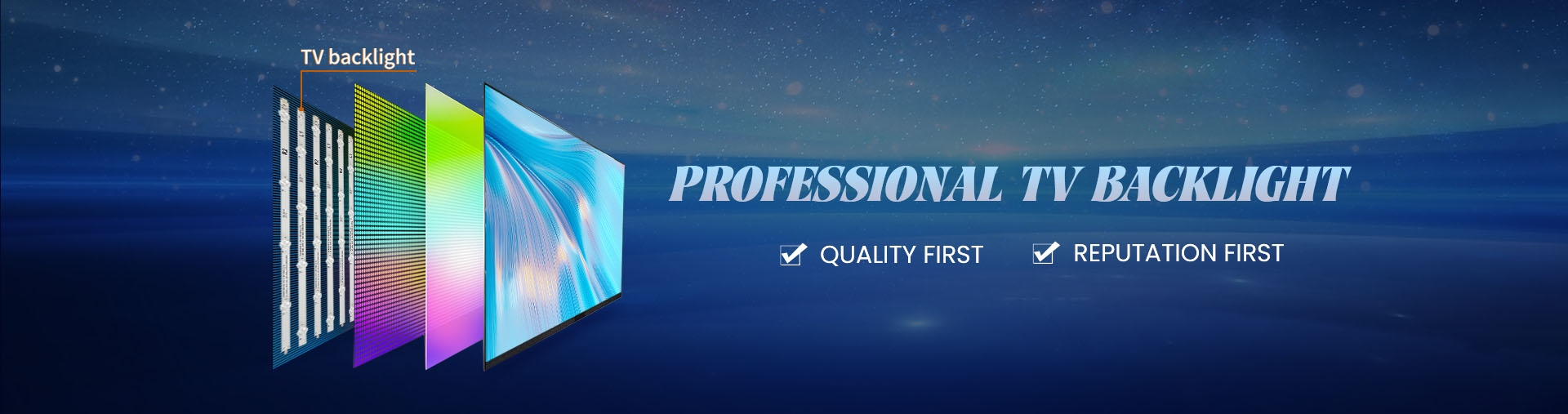
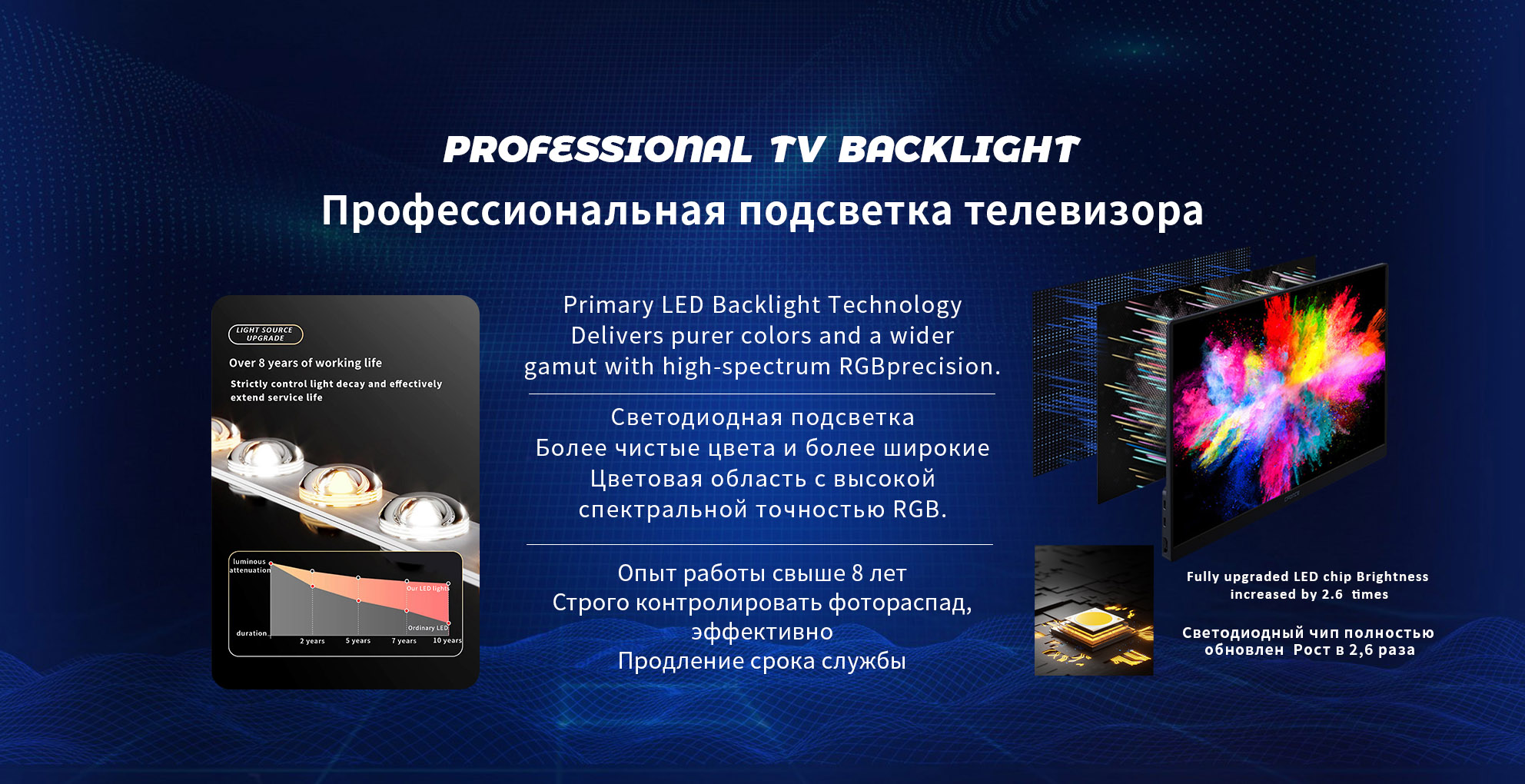
Color accuracy matters whenever a display must reproduce images with stable and natural visual results. High cri led solutions are designed to improve color rendering by providing a more balanced spectral output. For television backlight applications, this can support better perceived color quality while maintaining the brightness and electrical characteristics required by the display system.
What Does High CRI Mean for a tv backlight?
CRI, or Color Rendering Index, describes how accurately a light source reveals colors compared with a reference source. Although television image quality also depends on the LCD panel, optical films, color processing and other components, the LED backlight remains an important part of the optical system.
When producing high cri tv backlight strips, manufacturers need to consider more than the CRI value itself. LED bin consistency, color temperature, luminous flux and forward voltage all influence the finished result.
Typical procurement checks include:
CRI target and allowable tolerance
LED color temperature
operating voltage and current
brightness consistency between LEDs
strip length and PCB construction
lens position and optical performance
thermal management requirements
Why Is LED Consistency Important?
A strip can meet the nominal specification but still create visible differences if LED characteristics vary excessively across a production batch. Uneven brightness or color temperature may become noticeable after installation, especially on large display panels.
From a manufacturing perspective, component selection and production control therefore need to work together. LEDs should be managed by defined electrical and optical specifications, while soldering, lens placement and PCB assembly require stable process control.
Batch consistency is particularly important for distributors and repair markets purchasing the same reference over a long period. Replacement strips should provide predictable performance rather than forcing technicians to repeatedly adjust their installation method.
Which Specifications Should Buyers Compare?
| Item | Why It Matters |
|---|
| CRI | Influences color rendering quality |
| Color temperature | Affects the overall white-light appearance |
| LED quantity | Relates to optical layout and electrical design |
| Voltage | Must match the original backlight system |
| PCB length | Determines mechanical compatibility |
| Lens spacing | Influences light distribution |
| Connector | Affects installation compatibility |
CRI should never be evaluated alone. Two strips with a similar CRI may still differ significantly in voltage, PCB dimensions, LED spacing or connector configuration.
How Does Manufacturing Control Reduce Quality Variation?
Reliable production starts with confirming the target strip specification before mass assembly. PCB dimensions, LED position, polarity, connector type and optical structure need to correspond with the intended display application.
During production, visual inspection and electrical testing help identify soldering defects, abnormal LEDs and assembly inconsistencies. Sample verification before a large production run can further reduce specification errors.
As an oem supplier, we also evaluate customized requirements according to drawings, samples or technical parameters. This is useful when a standard replacement strip cannot meet a particular optical or structural requirement.
When Are High CRI backlight strips Worth Considering?
Higher CRI is valuable where color presentation is a priority, including commercial displays, educational screens and other display applications where more natural color reproduction is desirable. It should still be balanced against brightness, power consumption, service life and cost.
The right backlight strip is therefore not simply the option with the highest stated CRI. Optical performance, electrical compatibility and manufacturing consistency should be assessed together. Confirming these factors before volume production provides a more dependable basis for long-term sourcing and repeat orders.