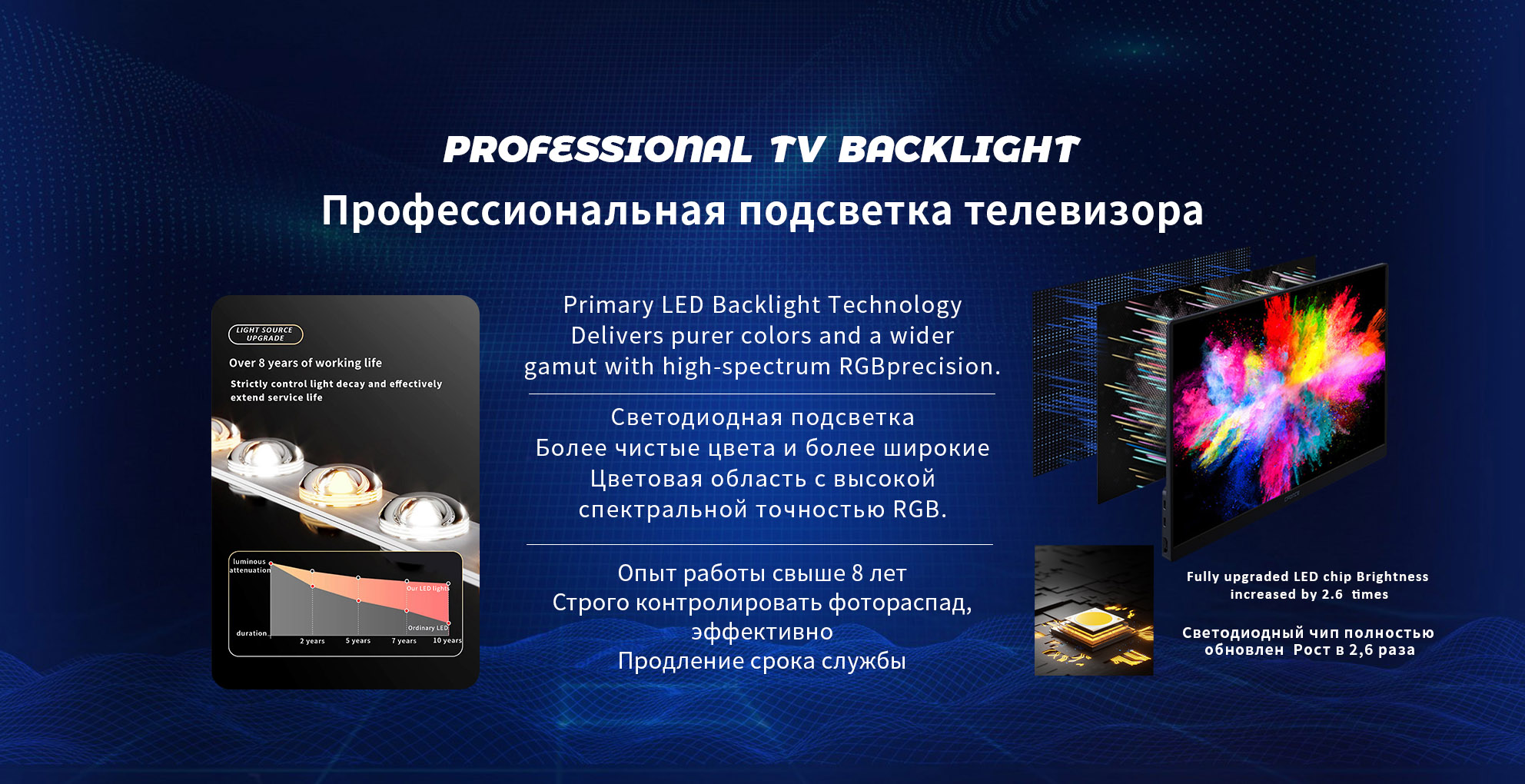
International transport of led tv backlight strips requires more protection than their low weight might suggest. Long PCBs can bend, lenses can loosen under impact, and connectors may be damaged when cartons move during transit. Effective led shipping therefore starts with controlling movement inside the package, selecting suitable outer protection, and clearly separating different product references before the goods leave the factory.
Why Are backlight strips Vulnerable During Export?
backlight strips combine relatively long and narrow PCBs with surface-mounted LEDs, optical lenses and connectors. These features create different transportation risks.
Heavy pressure on a long strip can cause bending. Repeated vibration can create contact between products, while impact around the lens area may affect optical components. Poor internal organization can also mix visually similar models during warehouse receiving.
International shipments add more handling stages, making packaging design an important part of order preparation.
How Do We Prepare Strips for International Transport?
Our packing process begins with the actual strip dimensions and order structure. Products are grouped according to reference, protected against direct friction and placed into packaging that limits unnecessary movement.
For long models, internal support becomes particularly important. Empty space should be controlled so strips cannot repeatedly move from one side of the carton to another.
Mixed-model shipments also require clear identification. Labels and packing information can be organized around individual specifications so warehouse teams can recognize each item without opening every package.
What Should Buyers Confirm Before Shipment?
Shipping requirements are easier to manage when they are discussed before production is completed.
Important information includes:
Destination country
Transport method
Quantity of each SKU
Required carton identification
Special warehouse labels
Packing quantity per group or carton
Documentation requested for customs clearance
An export supplier can use this information to coordinate packing with the actual order rather than applying exactly the same arrangement to every shipment.
Does Air Freight Need Different Planning From Sea Freight?
Air freight is often selected for urgent replenishment because transit time is shorter, but dimensional weight can make oversized cartons expensive. Packing should therefore provide adequate protection without creating unnecessary volume.
Sea freight may suit larger replenishment orders, although the products normally experience longer transportation and storage periods. Carton strength, moisture protection and stable internal arrangement become more significant.
Express delivery can be practical for samples or smaller quantities where speed is more important than freight cost per strip.
Reduce Problems Before the Cartons Are Closed
One useful step is verifying the shipment against the order list before final packing. Model references, quantities, labels and carton allocation should correspond with the confirmed purchase information.
This is especially important when shipping tv backlight strips globally in mixed-SKU orders. A technically correct strip sent under the wrong reference can still cause receiving and inventory problems.
| Final Check | Purpose |
|---|
| Strip reference | Prevent model mixing |
| Product quantity | Match the packing list |
| Internal support | Reduce bending and movement |
| Carton condition | Improve transport protection |
| Label information | Simplify warehouse identification |
| Shipping documents | Support export processing |
Reliable international delivery is therefore a combination of product protection and shipment organization. Planning the packing method around strip length, SKU mix and transport route helps products arrive ready for receiving, stocking and distribution instead of creating avoidable inspection and sorting work.