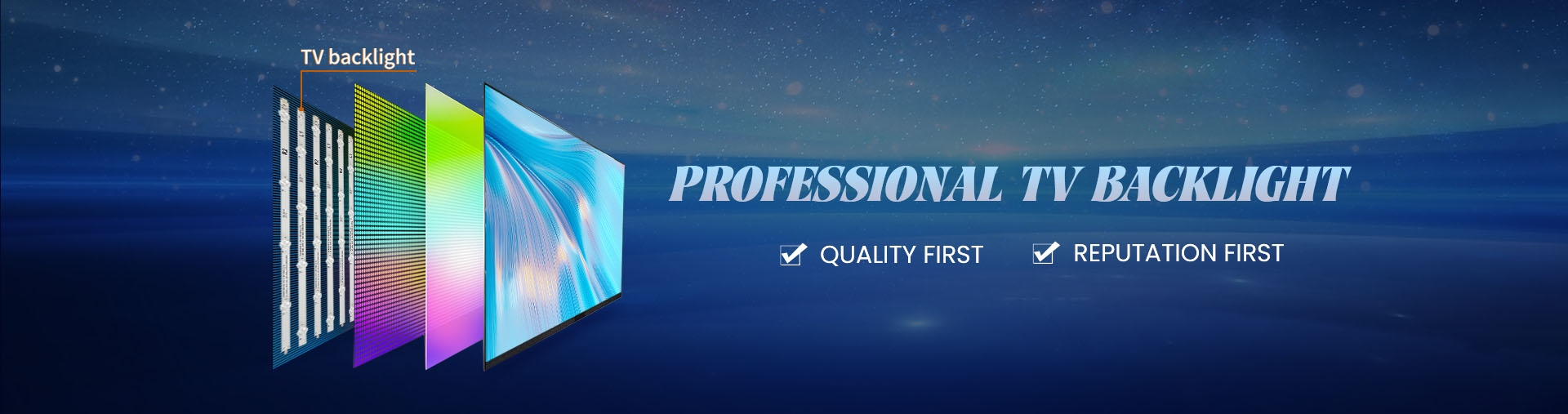
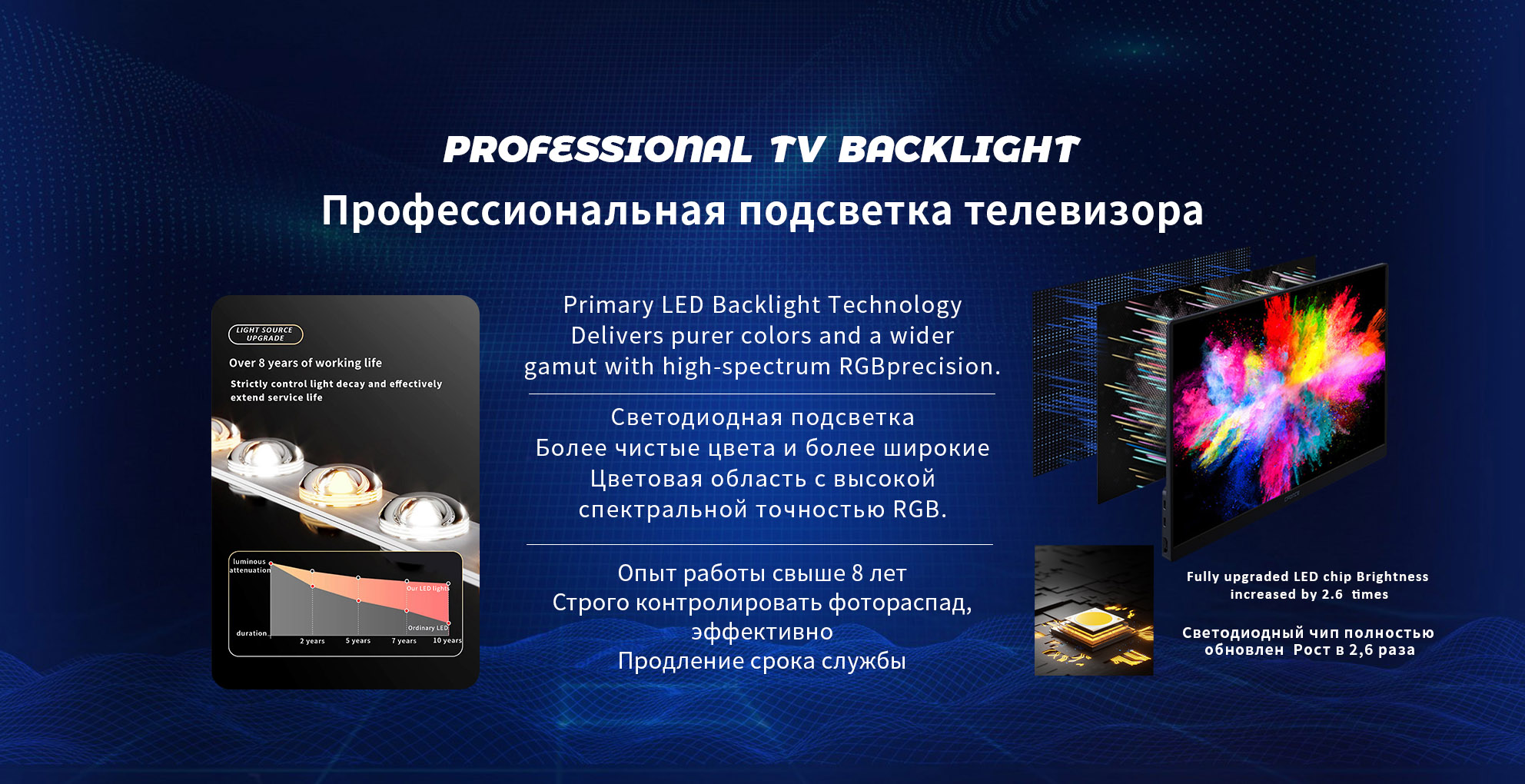
Reliable led production requires several connected stages rather than simply mounting LEDs onto a PCB. Material preparation, SMT assembly, lens installation, electrical inspection and final packaging all influence whether a tv backlight strip performs consistently. For volume purchasing, understanding these stages also helps explain why PCB accuracy, LED consistency and production testing are important to the finished product.
Production Starts With the Required Specification
Before manufacturing begins, the strip specification needs to be confirmed. TV size alone cannot define the product because the same screen size may use different backlight structures.
Production information normally covers PCB dimensions, LED quantity, LED position, electrical configuration, lens layout, connector and mounting features. For customized models, drawings or approved samples provide the manufacturing reference.
How Are LEDs Mounted on the PCB?
PCB preparation is followed by SMT assembly. Solder paste is applied to the required positions, LEDs and other components are placed, and the assembled board passes through the soldering process.
Placement accuracy matters because incorrectly positioned or poorly soldered LEDs can lead to electrical failure or inconsistent lighting.
The basic manufacturing flow can be summarized as:
Specification confirmation → Material preparation → SMT placement → Soldering → Lens assembly → Electrical testing → Inspection → Packaging
Each stage affects the next. Detecting problems earlier prevents defective assemblies from continuing through production.
Why Is Lens Installation Important?
Optical lenses distribute light from individual LEDs across the display area. Positioning errors can create uneven illumination even when every LED operates normally.
During the tv backlight strip production process, the lens type, spacing and bonding position therefore need to correspond with the intended optical layout. Direct-lit and edge-lit structures may also require different configurations.
Mechanical dimensions require similar attention. PCB length, mounting holes and connector location influence whether the strip can be correctly installed.
What Is Checked After Assembly?
Finished strips should be evaluated before packing.
| Inspection Point | Main Purpose |
|---|
| LED operation | Detect non-lighting or abnormal LEDs |
| Solder joints | Identify assembly defects |
| PCB dimensions | Confirm installation fit |
| Lens position | Support uniform light distribution |
| Connector | Confirm structure and connection |
| Appearance | Detect visible production damage |
Electrical testing provides important information, but physical inspection remains necessary because a strip can illuminate while still having an assembly or dimensional problem.
How Does a Manufacturer Improve Repeatability?
Mass production requires the approved specification to remain clear across repeat orders. Materials, assembly settings and inspection criteria should correspond with the confirmed model rather than relying only on a broad product name.
As a manufacturer, we also use product references and production information to distinguish similar strips. This becomes particularly important when many PCB configurations are manufactured for replacement and display markets.
Production Quality Comes From Process Control
Backlight strip quality is built across multiple stages. Accurate materials cannot compensate for poor assembly, while good assembly cannot solve an incorrect product specification.
For procurement teams, supplying clear model information before production and approving uncertain specifications early can significantly reduce sourcing errors. Combining specification control, stable assembly and final inspection provides a stronger foundation for repeat orders and consistent led tv backlight strip performance.