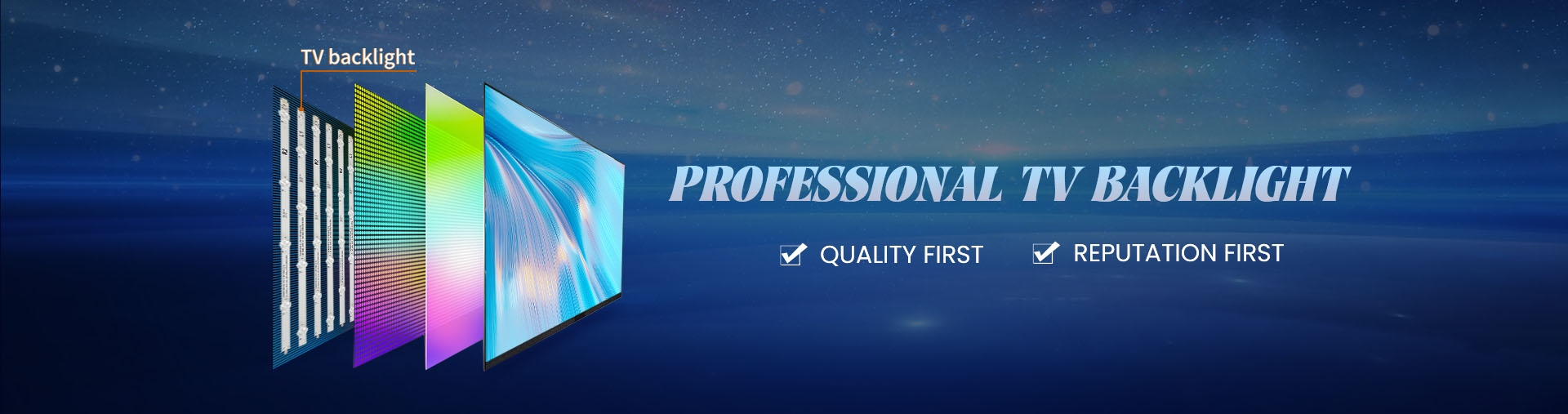
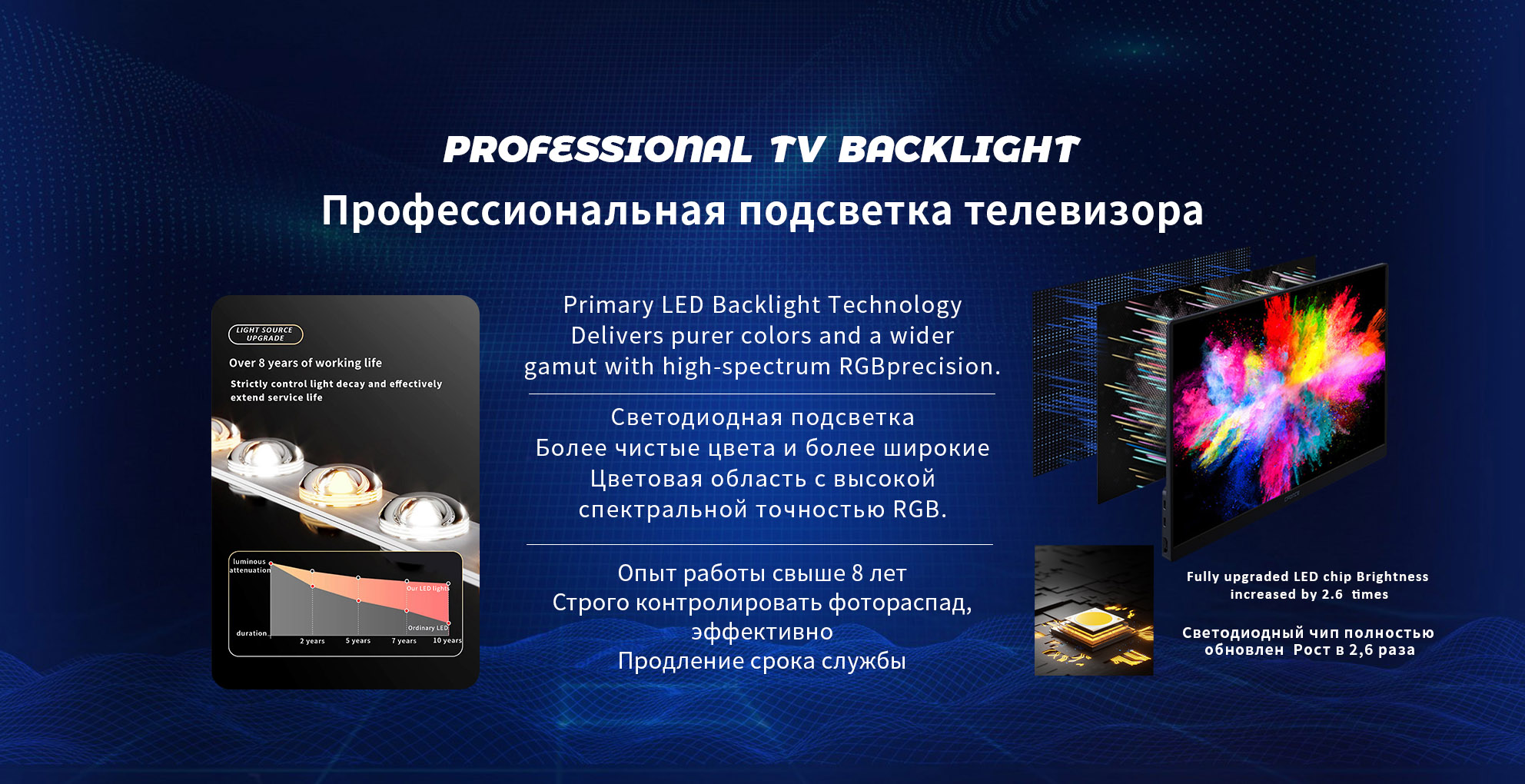
Led Backlight Strips are used wherever an LCD-based display requires a controlled internal light source. While television replacement is a major led application, similar backlighting principles also support commercial displays, advertising screens, information displays and other visual equipment. The exact strip design changes according to panel dimensions, brightness requirements, optical structure and operating environment.
Television Repair and Replacement Markets
TV servicing is one of the most recognizable uses for backlight strips. When LEDs deteriorate or a strip fails, compatible replacement assemblies can restore the display without replacing the entire television.
This market requires a broad selection because different panels use different PCB lengths, LED quantities, connectors and optical layouts. Even identical screen sizes may require different strip references.
Accurate model identification is therefore particularly important for repair distributors managing many replacement SKUs.
Commercial Display Applications Require Different Priorities
Retail stores, public facilities and commercial environments use LCD screens for information, advertising and visual communication. Depending on the display design, backlight requirements may place greater emphasis on brightness consistency or prolonged operating schedules.
The applications of tv backlight strips and related display backlights can include:
| Application Area | Typical Requirement |
|---|
| tv replacement | Model compatibility |
| Retail display | Consistent visual presentation |
| Advertising screen | Stable illumination |
| Information display | Reliable operating performance |
| Educational screen | Uniform display brightness |
| Public guidance display | Long operating periods |
The strip still needs to match the electrical and mechanical design of the intended display rather than being selected from application name alone.
Educational and Information Displays
Interactive educational screens and information terminals are frequently used for extended periods. Backlight performance contributes to whether the screen maintains a stable visual appearance during operation.
For these applications, buyers may need to consider LED arrangement, heat management, brightness consistency and replacement availability alongside basic dimensions.
When sourcing replacements, documentation of the original strip or panel configuration helps narrow the appropriate specification.
Advertising and Public Guidance Screens
Digital advertising and public information systems may operate for longer daily periods than typical household televisions. Depending on the equipment, brightness and thermal conditions can differ significantly.
Manufacturing requirements should therefore follow the actual display design. Simply increasing LED output without considering current, PCB structure and heat conditions is not a reliable solution.
Why Does the Application Affect Strip Design?
Backlight selection involves an optical system rather than one isolated component. LED spacing works with lenses and diffusion materials, while the electrical configuration must correspond with the display's power system.
Dimensions, mounting positions and connectors then determine whether the strip physically fits the assembly.
These factors explain why universal selection by screen size is unreliable.
How Can a Solution Provider Support Different Display Uses?
As a solution provider, we evaluate the requested strip according to model information, physical structure and technical requirements. Existing product references can serve common replacement needs, while samples or drawings can help define less common specifications.
Industry application should therefore be the starting point rather than the final selection criterion. Once the operating environment and display type are understood, electrical, optical and mechanical details can be matched more accurately. This approach supports better compatibility and more dependable repeat sourcing across television, commercial and information display applications.