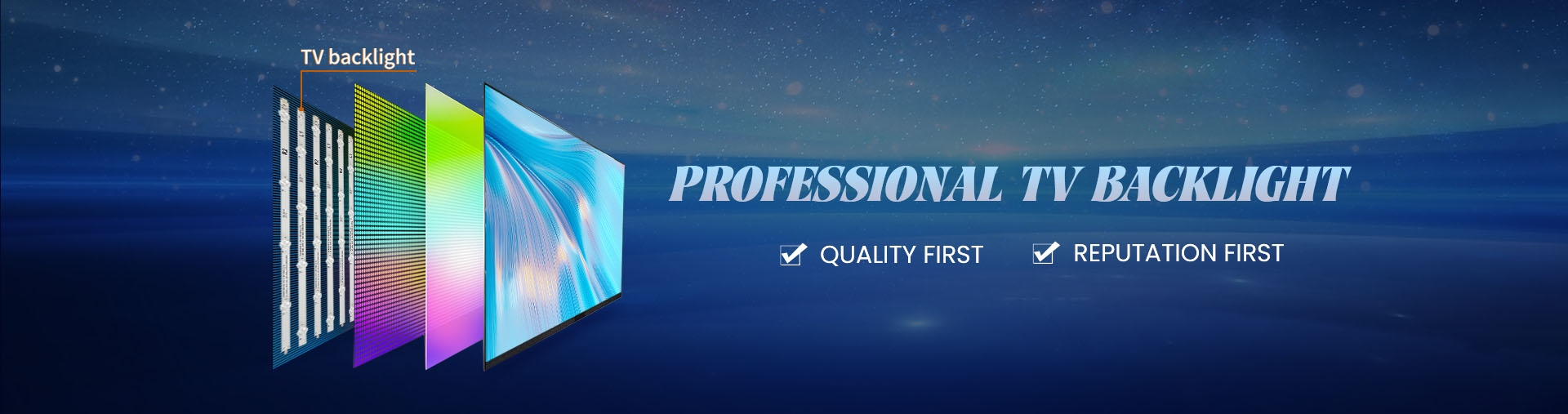
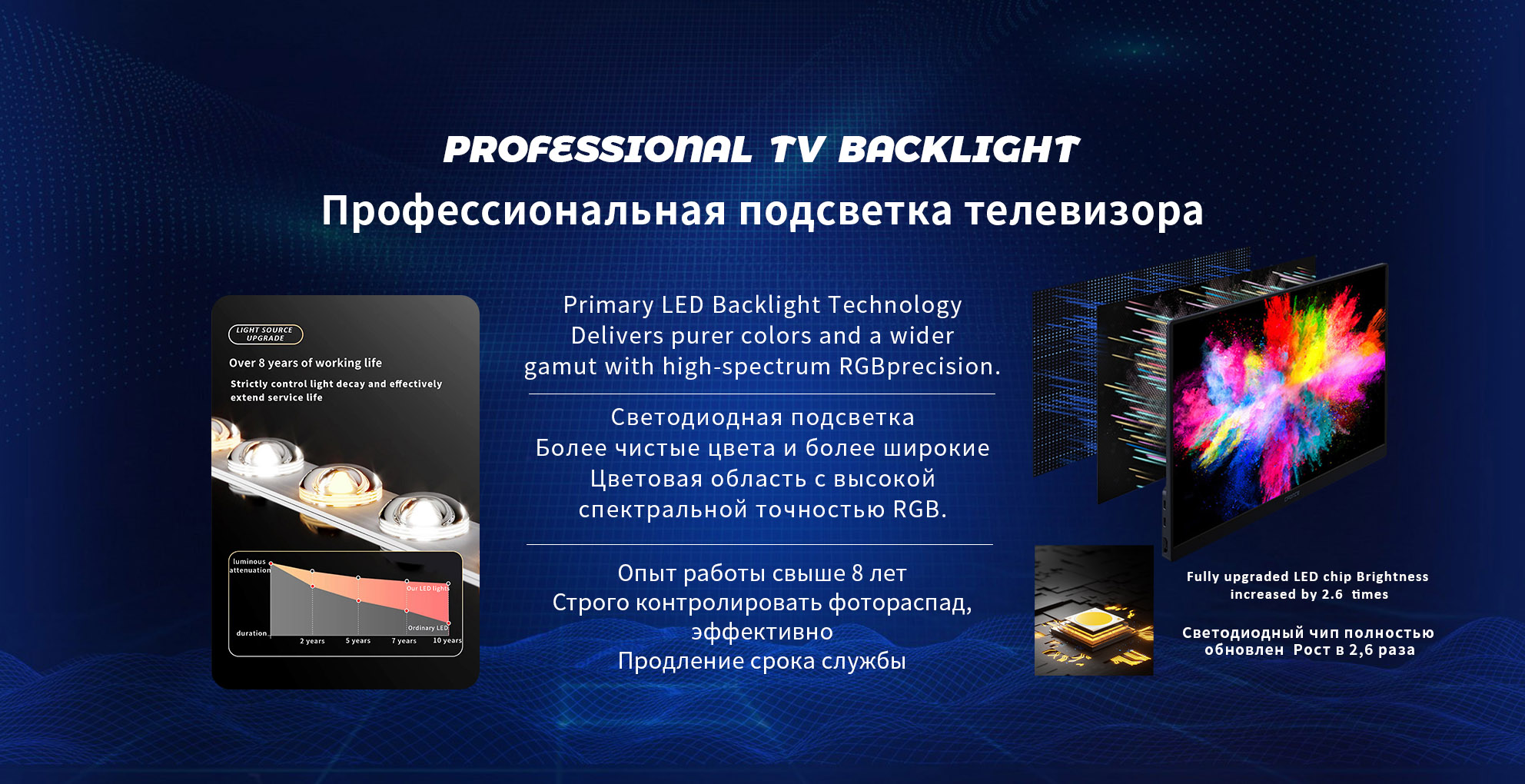
Premature burnout of tv backlight LEDs is usually linked to heat, electrical stress, component aging or unsuitable operating conditions. The LED itself may be the visible failed part, but the root cause can involve the driver, thermal transfer, PCB condition or deterioration across the entire strip. Understanding these factors is important when selecting replacement parts for repeated repair demand.
Does High Temperature Damage Backlight LEDs?
LEDs produce heat while operating. When this heat cannot move efficiently through the PCB and surrounding structure, junction temperature rises and LED degradation accelerates.
Long daily operating hours can make this effect more significant. Excessive temperature may gradually reduce brightness before complete failure occurs.
This explains why thermal performance should be evaluated as part of backlight reliability rather than focusing only on initial brightness.
What Role Does Operating Current Play?
Increasing current can make an LED brighter, but higher output also produces additional thermal stress. A backlight system is designed around a specific electrical configuration.
Using an electrically different replacement strip may change how the LEDs operate. Even when the strip physically fits the television, incorrect voltage or circuit characteristics can affect reliability.
This makes electrical matching an essential part of replacement sourcing.
Common Signs of Backlight LED Problems
Dark screen with visible image under external light
The LCD may still produce an image while the illumination system is not operating correctly.
Uneven dark areas
One strip or part of the backlight may no longer illuminate properly.
Backlight turns on and then off
The driver may detect an abnormal condition within the LED circuit.
Brightness gradually declines
Aging LEDs can lose output before experiencing complete tv backlight LED failure.
These symptoms can guide diagnosis, but electrical testing is still required to identify the actual defective part.
Why Can Several LEDs Fail Around the Same Time?
LEDs installed within one backlight assembly usually have similar operating histories. They have experienced comparable temperatures, current and operating hours.
When one aged LED fails, other LEDs may already be approaching a similar condition. This is one reason complete strip or set replacement may sometimes be more practical than repeatedly replacing individual LEDs.
What Should Buyers Look for in Replacement Strips?
Replacement quality involves more than whether every LED lights during a short test. PCB construction, soldering, LED consistency, lens positioning and electrical specification should all correspond with the intended application.
As a replacement LED strip supplier, we also need accurate PCB references and application information to reduce mismatching before mass production.
Prevent Repeat Failures Through Better Matching
A burned LED should be treated as both a repair problem and a diagnostic clue. Identifying whether aging, heat, inappropriate electrical conditions or another system issue contributed to failure helps buyers select more appropriate replacement parts.
For repeated orders, maintaining verified product references and monitoring failure feedback can reveal problematic models more clearly. Reliable replacement performance ultimately depends on combining correct tv backlight LEDs with proper electrical operation, heat management and consistent manufacturing.