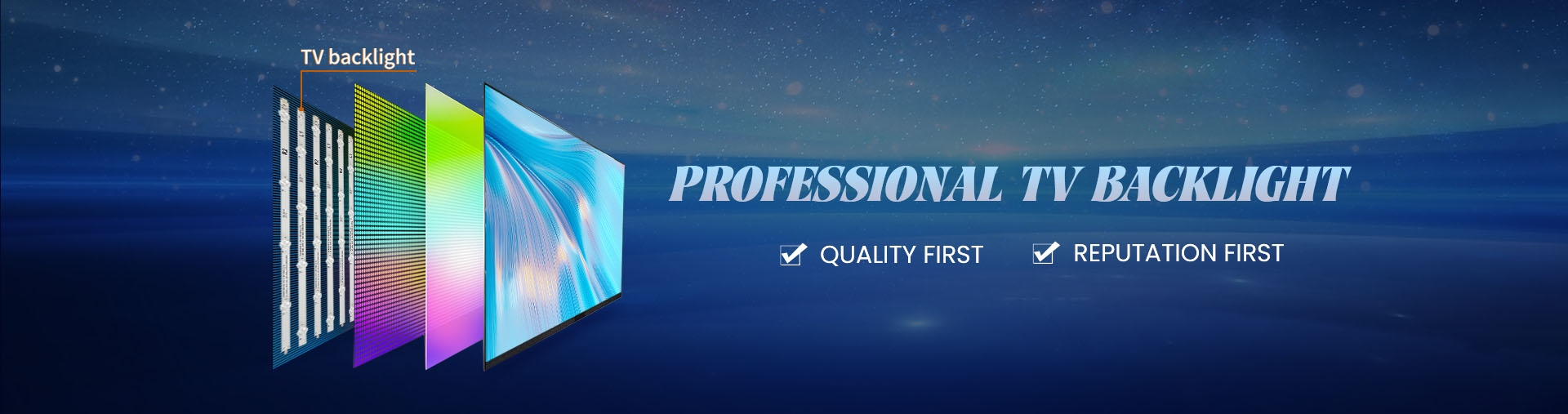
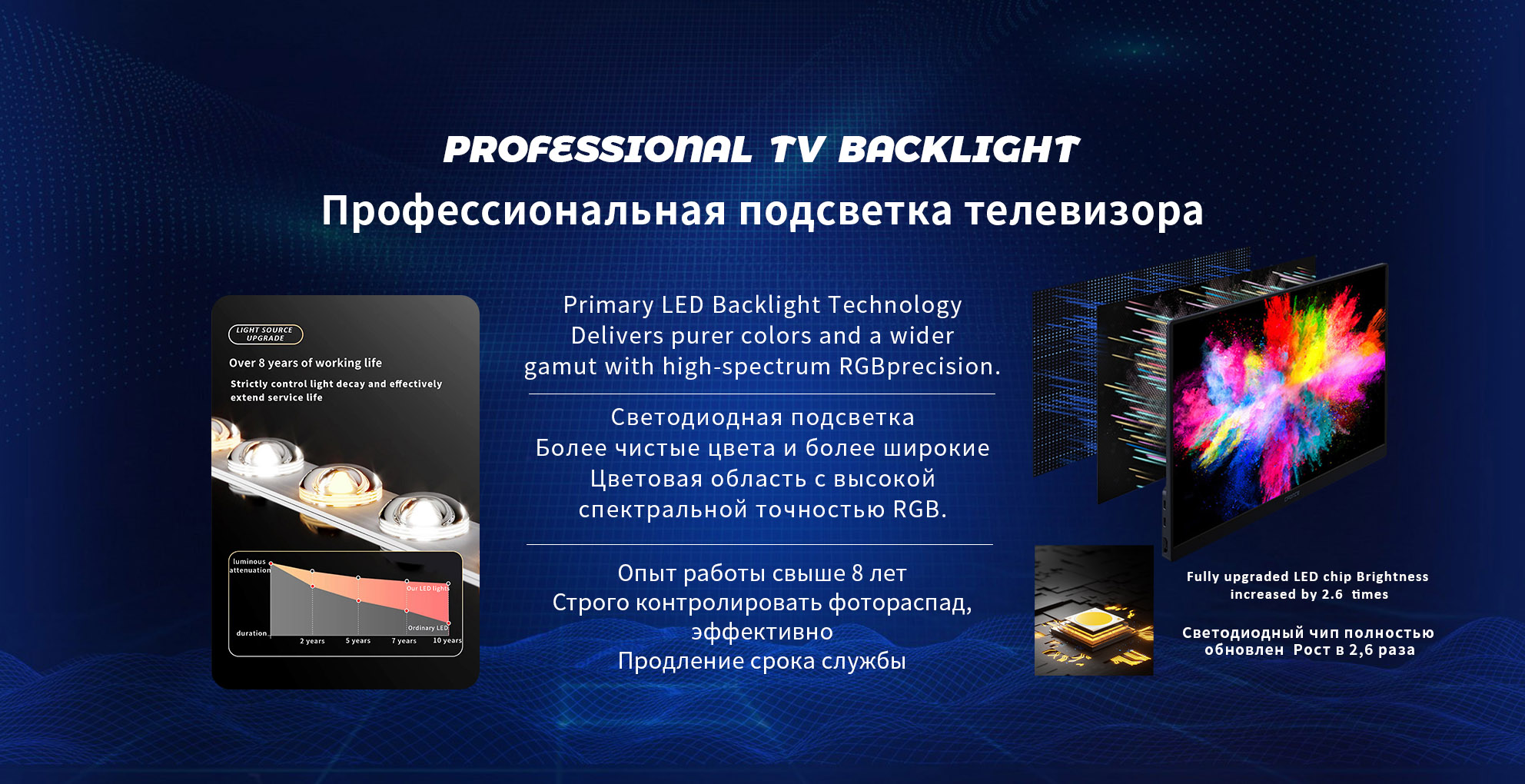
tv backlight strips can be customized to meet different television designs, including specific PCB dimensions, LED quantities, voltage configurations, connector layouts, and optical lens arrangements. However, customization must account for the original backlight driver, panel structure, heat dissipation, and light distribution. Changing one component without reviewing the complete system can create electrical incompatibility or uneven screen brightness.
For custom television Led Backlight Strips, the most important starting point is a complete technical specification rather than simply requesting a particular screen size or higher brightness.
Which Components Can Be Customized?
Custom development generally involves electrical, mechanical, and optical adjustments.
| Design Element | Possible Customization |
|---|
| PCB | Length, width, material, mounting holes |
| LED layout | Quantity, spacing, circuit arrangement |
| Electrical design | LED selection and operating characteristics |
| Optical lenses | Shape, position, distribution pattern |
| Connector | Interface type, polarity, placement |
| Identification | PCB markings and revision coding |
Each modification should correspond to a defined installation or performance requirement.
For example, changing LED spacing may require a different lens arrangement to maintain uniform light distribution across the display panel.
When Is Customization Necessary?
Customization becomes relevant when an original strip is discontinued, an existing design has been revised, or a display assembly requires a different physical configuration.
Another common situation involves replacement production for a television model whose original PCB dimensions remain available but whose exact components are difficult to source.
Rather than copying visible dimensions alone, the design must reproduce the necessary electrical and optical characteristics.
From Reference Sample to Approved Design
A typical development process begins with the original strip, technical drawings, or detailed photographs accompanied by electrical measurements.
Reference evaluation
The original PCB code, dimensions, LED circuit, and lens positions are recorded. This establishes the technical baseline.
Prototype development
The PCB and component arrangement are adjusted to the target specifications. Suitable LEDs and optical lenses are selected according to the intended operating conditions.
Functional verification
Prototype strips are checked for electrical operation, mounting accuracy, heat transfer, and illumination uniformity.
Production approval
An accepted sample becomes the reference for subsequent manufacturing and inspection.
These stages help translate customized backlight strip design requirements into measurable production specifications.
Which Changes Require Extra Testing?
Electrical changes deserve particular attention because the original television driver has a limited operating range.
Increasing LED quantity or selecting different LED packages can change the total forward voltage. A higher current rating does not mean that the original driver can safely provide more power.
Optical modifications also require evaluation. A lens with a different beam pattern may create bright regions or shadows even when the PCB fits correctly.
An OEM television backlight strip manufacturer should therefore treat prototype validation as an essential design stage, not merely a final appearance inspection.
How Is Customized Performance Confirmed?
StarSharp's manufacturing and testing capabilities include electrical inspection and optical measurement of LED characteristics. Such processes provide a basis for checking component consistency during development and production.
Nevertheless, individual component tests cannot replace evaluation inside the intended display assembly.
A prototype should be examined under representative operating conditions, including sufficient warm-up time to reveal thermal behavior and visible illumination differences.
Customization is most successful when every proposed change has a defined purpose and an acceptance criterion. Matching an existing assembly may require preserving the original characteristics, while a redesigned backlight may demand broader system validation.
Before releasing a customized design for repeated production, approved drawings, electrical specifications, reference samples, and revision numbers should be retained. These records help prevent later production changes from affecting a previously verified replacement.