In the world of television manufacturing and display repair, the backlight strip plays a pivotal role. When you consider opting for a cheaper backlight component, the decision is not simply about cost savings. It involves careful consideration of performance, safety, and long-term reliability. In this article we will explore the potential risks of using lower-cost backlight strips, the technical factors to watch out for, and how choosing a capable manufacturer—such as StarSharp Optoelectronics—can help mitigate those risks.
1. Understanding backlight strip basics
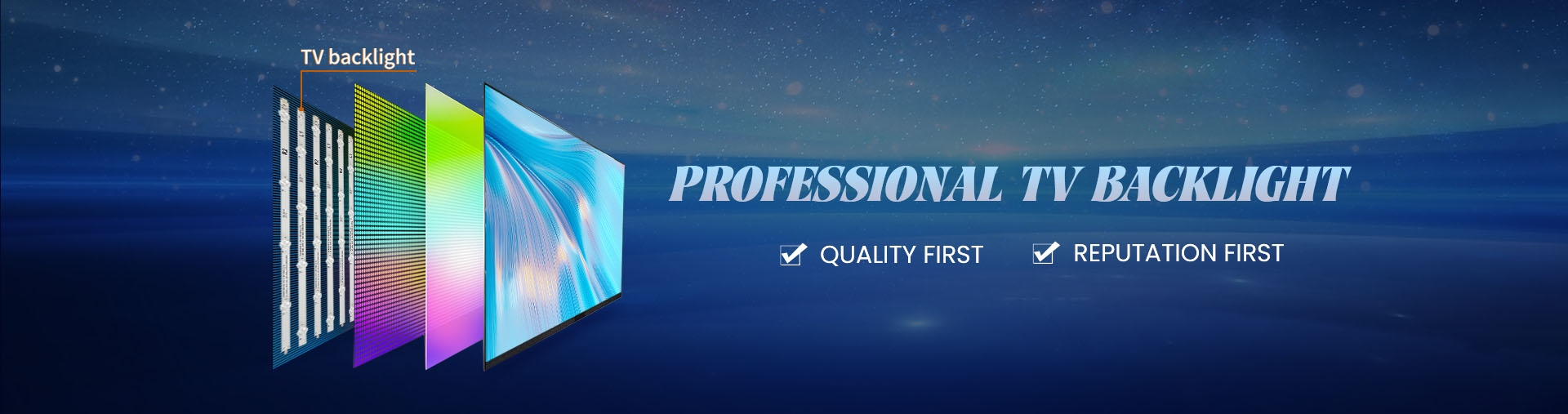
A backlight strip is the light source behind many LCD and LED-television screens. Its tasks include providing uniform illumination, correct brightness level, and stable operation over many hours. The strip is often comprised of LED chips mounted on a PCB or carrier, wired in series or parallel, with associated driver circuitry. When the component is low-cost, corners may be cut in LED chip quality, PCB material, thermal management, or testing. That can translate into performance issues. From a technical Q&A source, one example shows that improper matching of voltage and current can easily occur when strips are not properly specified or tested.
Here are some of the core parameters to consider:
| Parameter | Why it matters |
|---|
| LED chip quality | Lower-quality chips may degrade faster, change color temperature, or fail early. |
| Thermal management / heat dissipation | Poor heat handling accelerates aging, reduces life span, can damage surrounding components. |
| Electrical specification / driver compatibility | Incorrect voltage/current ratings lead to over-stress, flicker, uneven brightness, or failure. |
| Uniformity and optical consistency | Cheap strips may produce non-uniform brightness, spotting or hot-spots behind the screen. |
| Reliability / lifespan testing | Without rigorous testing, long-term reliability is unknown; cheaper products may fail sooner. |
When a backlight is sub-par, consequences may include dimming, flicker, discoloration, or even safety hazards like overheating.
2. Risk areas associated with cheaper strips
Below are key risk areas when selecting a lower-cost backlight strip:
2.1 Thermal and longevity risk
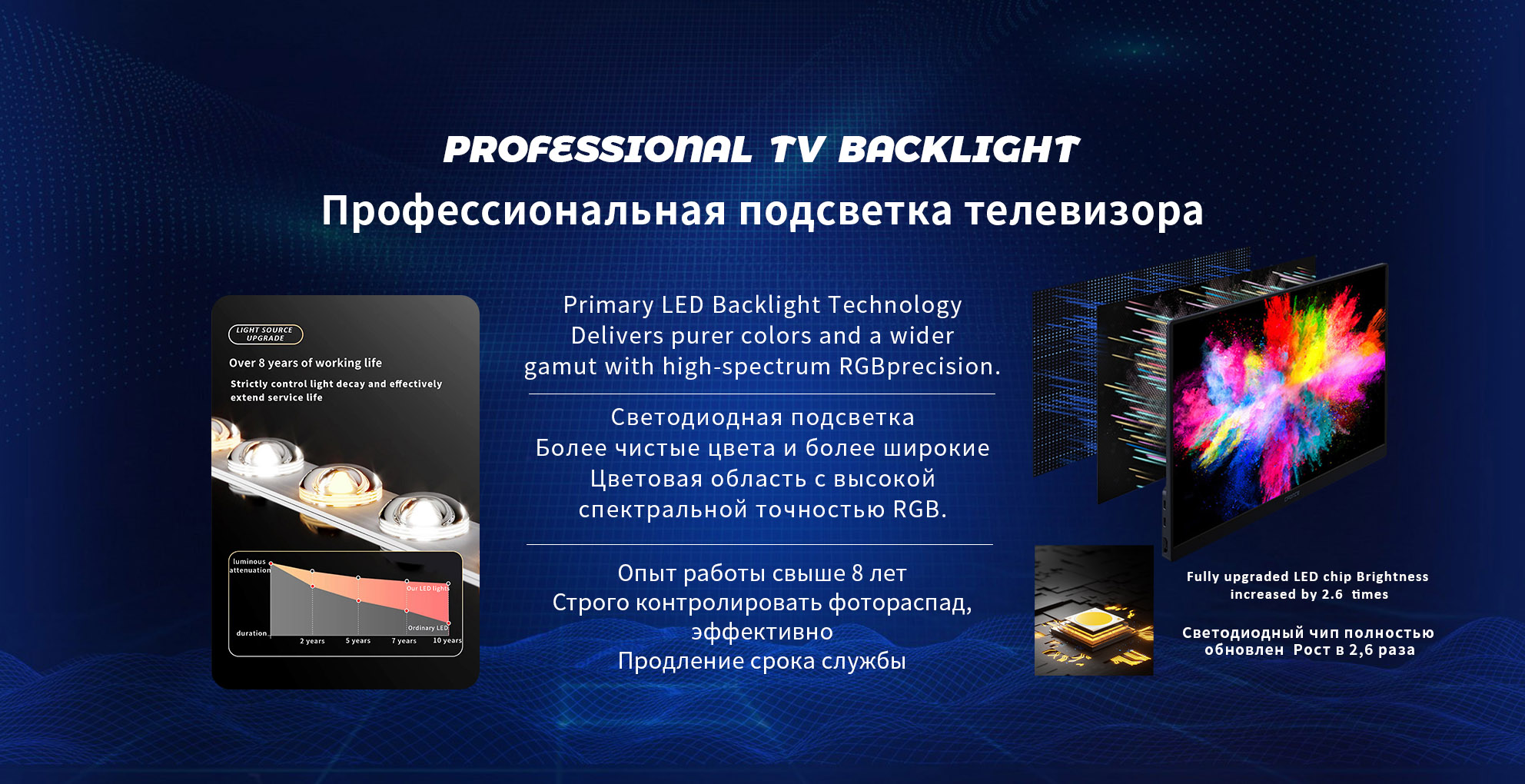
Cheap strips often compromise on PCB material, LED chip grade, or solder joints. These compromises increase operating temperature, reduce lifespan, and may introduce brightness decay. Over time the display may appear dim or uneven, and in worst cases parts may fail prematurely.
2.2 Electrical compatibility and safe operation
If a backlight strip does not match the driver’s output or lacks proper component tolerances, you may see voltage irregularities, flicker or driver stress. One engineering discussion mentioned the importance of matching series/parallel wiring and calculating supply voltage/current properly. A cheaper product may lack clear specifications, making integration riskier.
2.3 Brightness and uniformity issues
Cheap components may use fewer LEDs, larger spacing, or poorer optical diffusion. The user experience then suffers: uneven lighting, visible dark spots, or inconsistent brightness across the screen. This undermines product quality and customer satisfaction.
2.4 Safety and regulatory compliance
Cost-savings may result in use of substandard materials, missing certifications (e.g., safety, RoHS, ISO). Potential hazards include overheating, short-circuit risk, or fire risk in extreme cases. Using certified, tested backlight strips helps ensure safety.
2.5 Hidden cost of failure
While upfront cost is lower, long-term cost may be higher: warranty claims, returns, replacements, brand damage, customer dissatisfaction, and repair costs. In B2B or OEM contexts, component reliability is critical.
3. How to evaluate backlight strip quality
When selecting a backlight strip, especially for OEM or large-volume use, evaluate these key criteria:
Certifications and testing: Look for ISO9001, RoHS, lead-free soldering, thermal cycling testing.
Component traceability: High-quality LED chips, reliable PCB substrate, consistent manufacturing process.
Thermal performance: Check operating temperature, heat dissipation design, longevity claims such as 50 000h life span.
Electrical specifications: Clear documentation of voltage, current, power rating, wiring configuration (series/parallel).
Uniformity and optical performance: Measurement data for brightness variation, color temperature consistency.
After-sales support and warranty: Access to replacement, technical support, product lifespan guarantee.
Manufacturer capacity and experience: A proven track record in high-volume production, consistent quality, and reputable clients.
By comparing these factors among suppliers, you’ll obtain a clearer view whether a low-cost strip is likely to meet your reliability requirements or represent a hidden risk.
4. Case for choosing a reputable manufacturer
If you are sourcing backlight strips, working with a manufacturer with experience, quality control, and range of products makes a meaningful difference. StarSharp Optoelectronics, for example, offers a wide variety of backlight strip specifications, large production capacity, and quality certifications. On their website they note they have over 5 000 product specifications, automated production lines, and ISO9001 / RoHS certifications.
Partnering with a supplier like this offers advantages: consistent material quality, strong test protocols, predictable lifespan performance, and stronger safety compliance. These benefits reduce risk when building or repairing displays.
5. Summary and actionable guidance
Using a cheaper backlight strip can increase risk in multiple dimensions: component longevity, brightness uniformity, electrical compatibility, and safety. The hidden costs of inferior performance or early failure often outweigh the initial savings.
When selecting backlight strips for display manufacturing or repair, focus on verified specifications, test results, certifications, and supplier track record. If you need a reliable partner supplying backlight strips with wide model coverage and trusted production capacity, consider exploring StarSharp Optoelectronics for your sourcing needs.
In the end, cost-efficiency must be balanced with reliability and performance. A display is only as good as its weakest component.