
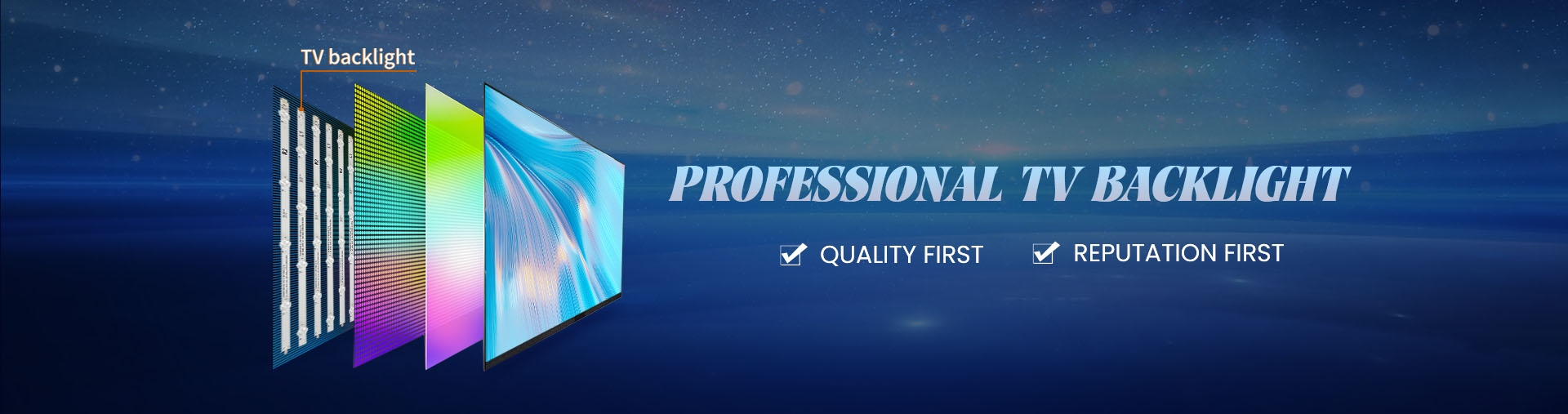
A backlight is the illumination system inside an LED TV that allows the viewer to see images on the screen. The LCD panel itself does not produce light; instead, it controls how much light passes through its liquid-crystal pixels.
Understanding how many backlight strips are inside a TV is important for users who plan to repair, replace, or evaluate the performance of their screen. Modern televisions rely on LED backlighting to deliver brightness, contrast, and uniformity. The number of strips varies based on screen size, panel design, and the manufacturer’s lighting structure.
Understanding how long TV backlights last is essential for anyone looking to maintain picture quality and extend the overall lifespan of a television. Modern TVs rely heavily on their backlight systems to illuminate the display panel, and the performance of this component directly affects brightness, contrast, color accuracy, and visual comfort.
TV backlights are the hidden lighting system behind modern LCD televisions, and they play a critical role in shaping picture quality, brightness, contrast, and overall viewing comfort. While most viewers focus on screen size or resolution, the backlight is the engine that makes every image visible.
When a television begins to lose brightness or shows abnormal lighting patterns, the issue often comes from a failing backlight. The backlight is responsible for illuminating the LCD panel, and once it becomes weak or stops functioning, the overall viewing experience can be significantly affected.
Replacing the backlight on a Samsung TV is a task many users encounter when the screen becomes dim, flickers, or shows sound with no picture. Modern LED televisions rely on a series of light strips behind the LCD panel, and when one or several LEDs fail, the entire display can appear dark.
Understanding whether TV backlights work with Roku TV has become an important concern for homeowners upgrading their entertainment setup. Backlights enhance picture clarity, improve contrast in dark rooms, and reduce eye strain, making them a popular accessory for all modern televisions.
A TV backlight failure can cause dim screens, dark patches, or a fully black display while the sound still works. This issue is common in LED TVs because the backlight strips power the entire visual presentation. Understanding the basic structure of the backlight system and using a structured troubleshooting approach can help users resolve the problem safely.
Understanding the backlight on a TV is essential for recognizing how modern displays create bright, vivid, and visually comfortable images. The backlight is the primary light source behind the panel, and it controls the brightness level, contrast quality, and overall viewing experience.
Testing an LED strip before installing it into a television is a smart and essential step in any repair or replacement process. It helps confirm that the new LED strips are functional, that the power supply and connections are stable, and that there are no defective segments before sealing the TV panel.
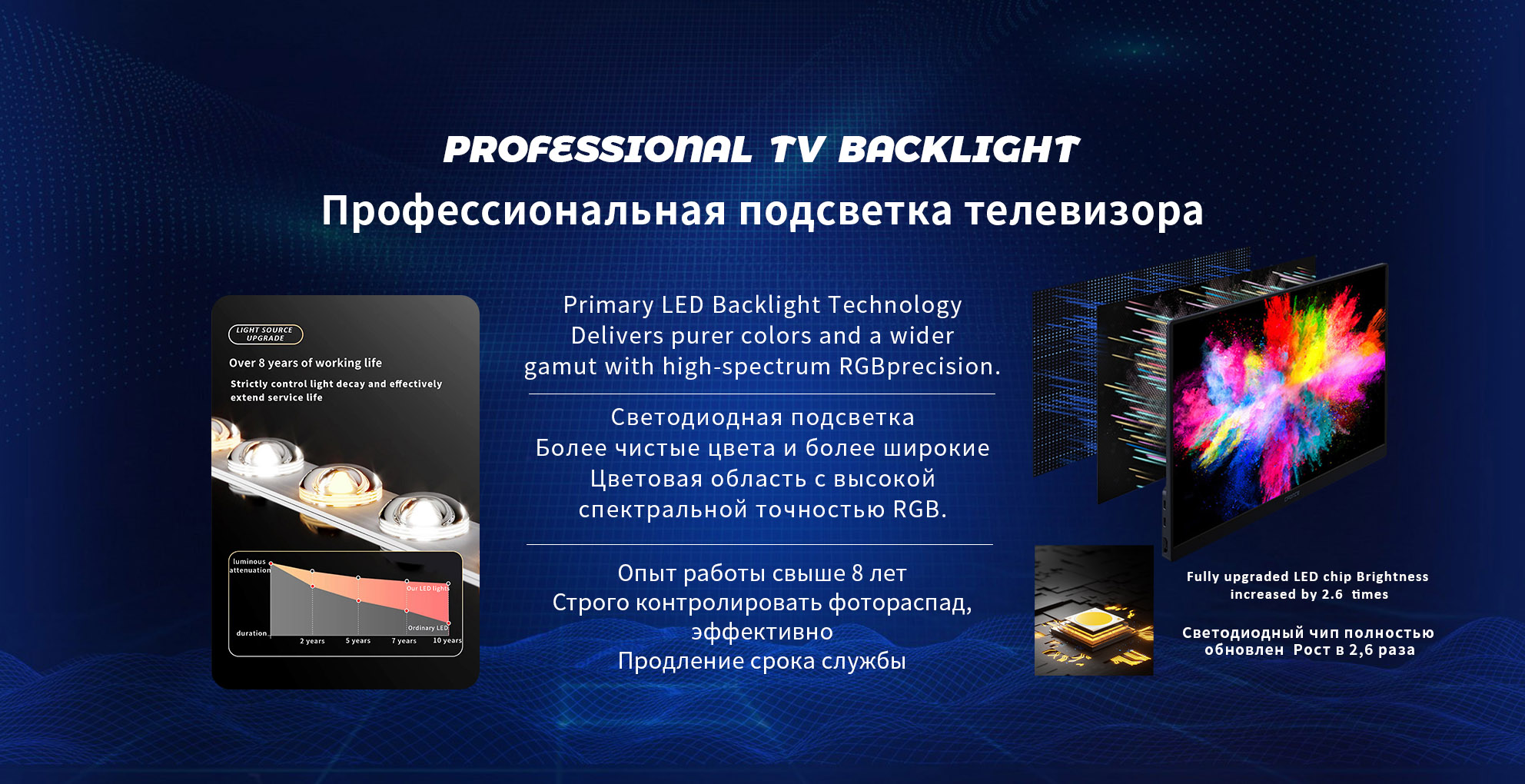
LED backlight strips are one of the most critical components in modern televisions. They are responsible for creating the brightness and contrast that define image quality. While many users focus on screen resolution or panel type, the lifespan of LED backlight strips directly determines how long the display can maintain its original clarity and color balance.
LED backlight strips are now standard in modern flat-panel displays and TV sets, providing picture-enhancing side/edge lighting in thin displays. For engineers, integrators or procurement specialists, understanding current consumption is crucial for power-supply sizing, thermal management, reliability and cost of ownership.