
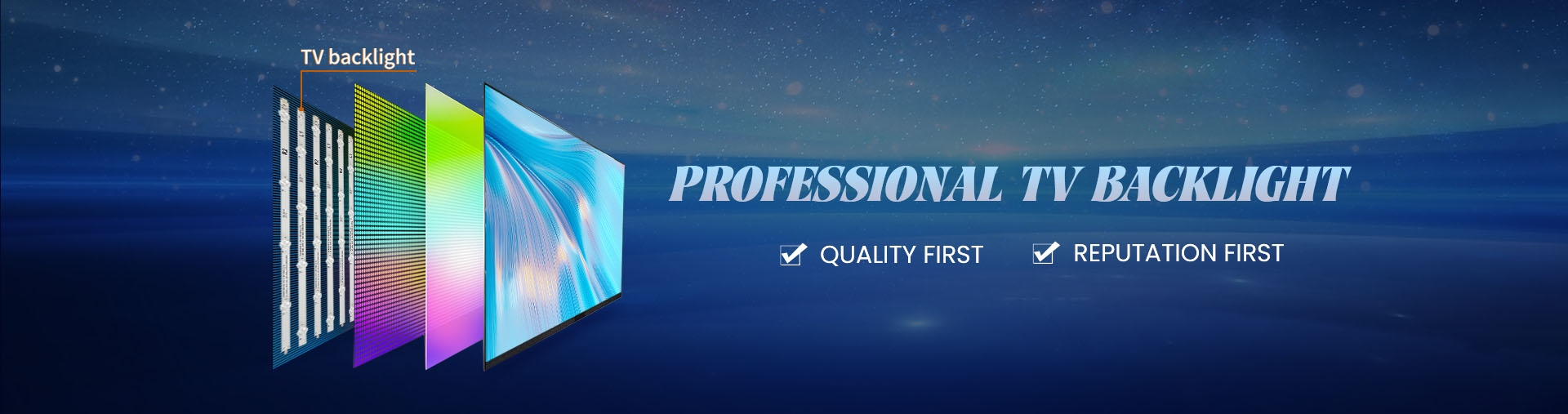
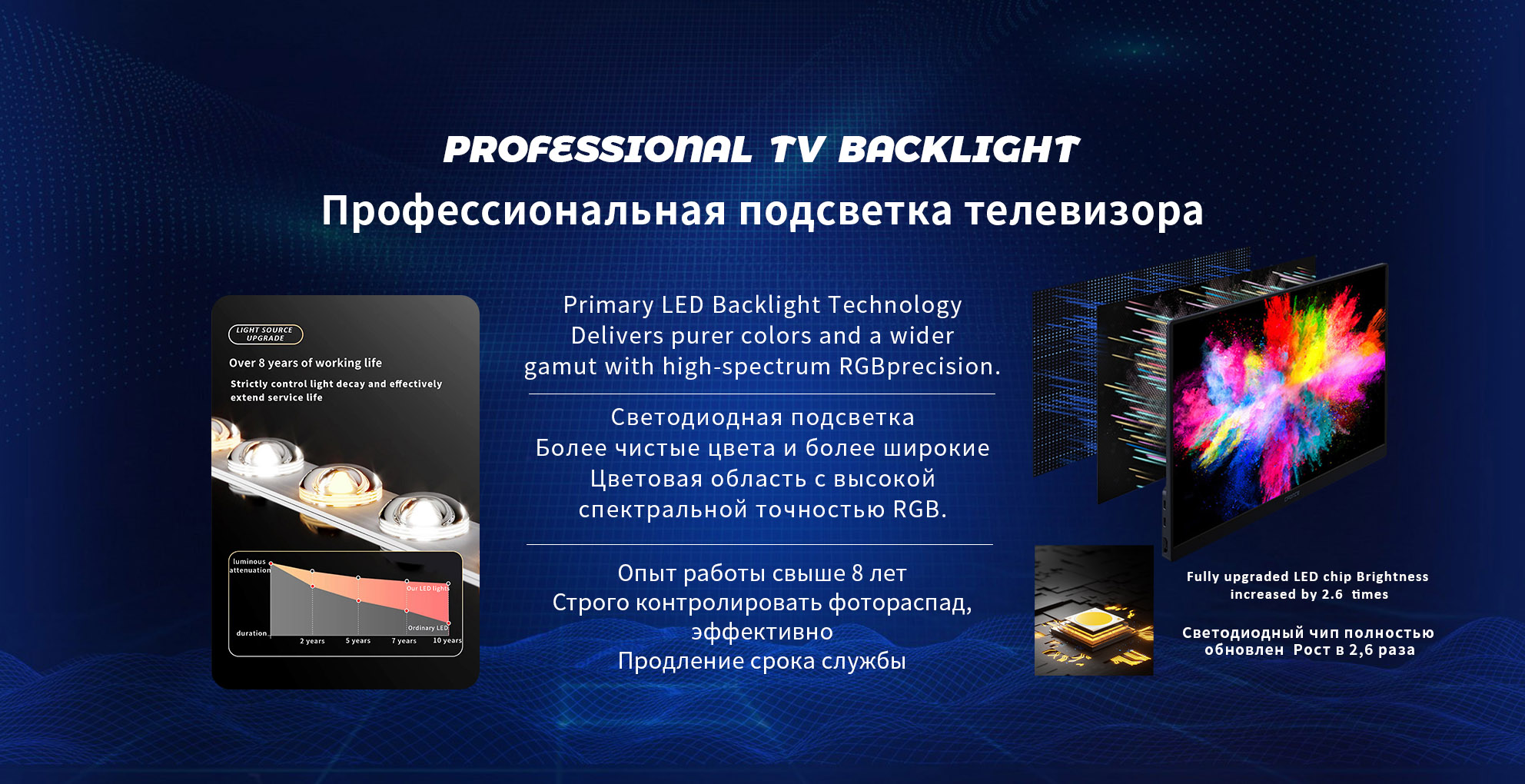
Modern TVs may look similar on the surface, but what happens behind the screen plays a decisive role in picture quality. TV backlight technology determines brightness, contrast, black levels, and even how immersive content feels.
In everyday conversations, the terms LED screen and LCD screen are often used as if they describe two completely different display technologies. In reality, the distinction lies mainly in how the screen is backlit rather than in the core image-forming mechanism.
The evolution of display and lighting technology has been closely tied to improvements in efficiency, durability, and visual performance. For many years, fluorescent backlights were the dominant solution in LCD panels, signage, and industrial displays.
Liquid crystal displays do not emit light by themselves. They rely on a backlighting system placed behind the LCD panel to illuminate images. For many years, CCFL backlighting was the standard solution. Today, LED-backlit LCD technology has become the dominant choice across consumer electronics, commercial displays, and industrial screens.
Backlight problems are among the most common display issues experienced by TV owners over time. These issues may appear as dark spots, uneven brightness, flickering areas, or complete loss of illumination.
Backlight performance determines how uniformly and accurately a display illuminates across the entire panel. Issues such as uneven brightness, color shifts, poor contrast, and excessive glare often originate from backlight inconsistencies.
LED backlight failure is a common issue in modern displays, including televisions, monitors, and commercial signage screens. Although LED technology is known for its durability and energy efficiency, several internal and external factors can shorten its service life.
Local dimming is an advanced backlight control technology used in many LED televisions to improve contrast and visual clarity. Traditional LED displays illuminate the entire screen with a uniform backlight, which can cause darker scenes to appear washed out or uneven.
Backlight bleeding is a common display concern in LED televisions and monitors, occurring when light escapes around the edges of the screen and becomes visible during dark scenes. Many users notice it when watching movies at night or when a solid black background is displayed.
Backlight failure is one of the most common problems encountered in modern TVs and commercial display panels. When the screen goes dark but audio continues, or when part of the display appears dim, consumers and business users often face a difficult decision: repair the backlight system or replace the entire panel.
LED backlighting is the core illumination system behind most modern televisions. While the display panel forms images using liquid crystals, it cannot emit light on its own. The backlight provides the brightness, contrast depth, and color consistency that define the viewing experience.
The backlight in an LED television is one of the most essential elements responsible for image visibility. It provides the illumination needed for the LCD panel to display colors and motion clearly. Understanding what controls the backlight on and off helps users troubleshoot dim screens, flickering brightness, and power-related issues.