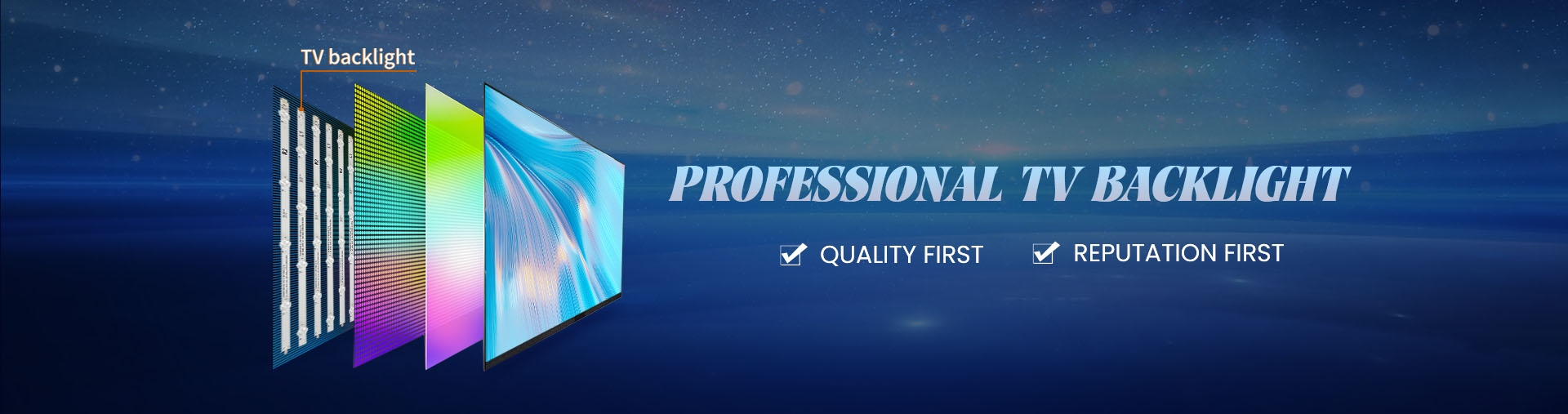
LED television displays rely on a backlight system to illuminate the LCD panel and produce visible images. When this lighting system fails, the screen may turn dark while audio continues to function normally. In such cases, replacing the backlight strips becomes the most direct and cost-effective repair solution. Understanding what led tv backlight strip replacement involves helps improve repair accuracy, reduce downtime, and ensure long-term performance.
What does backlight strip replacement mean
Backlight strip replacement refers to removing damaged LED strips inside a television and installing new ones that match the original configuration. These strips are mounted behind or along the edges of the LCD panel and provide uniform illumination across the screen.
Unlike external components, backlight strips are integrated into the display structure. Replacement requires disassembling the television, accessing internal optical layers, and installing compatible strips with the same electrical and physical specifications.
Why backlight strips need replacement
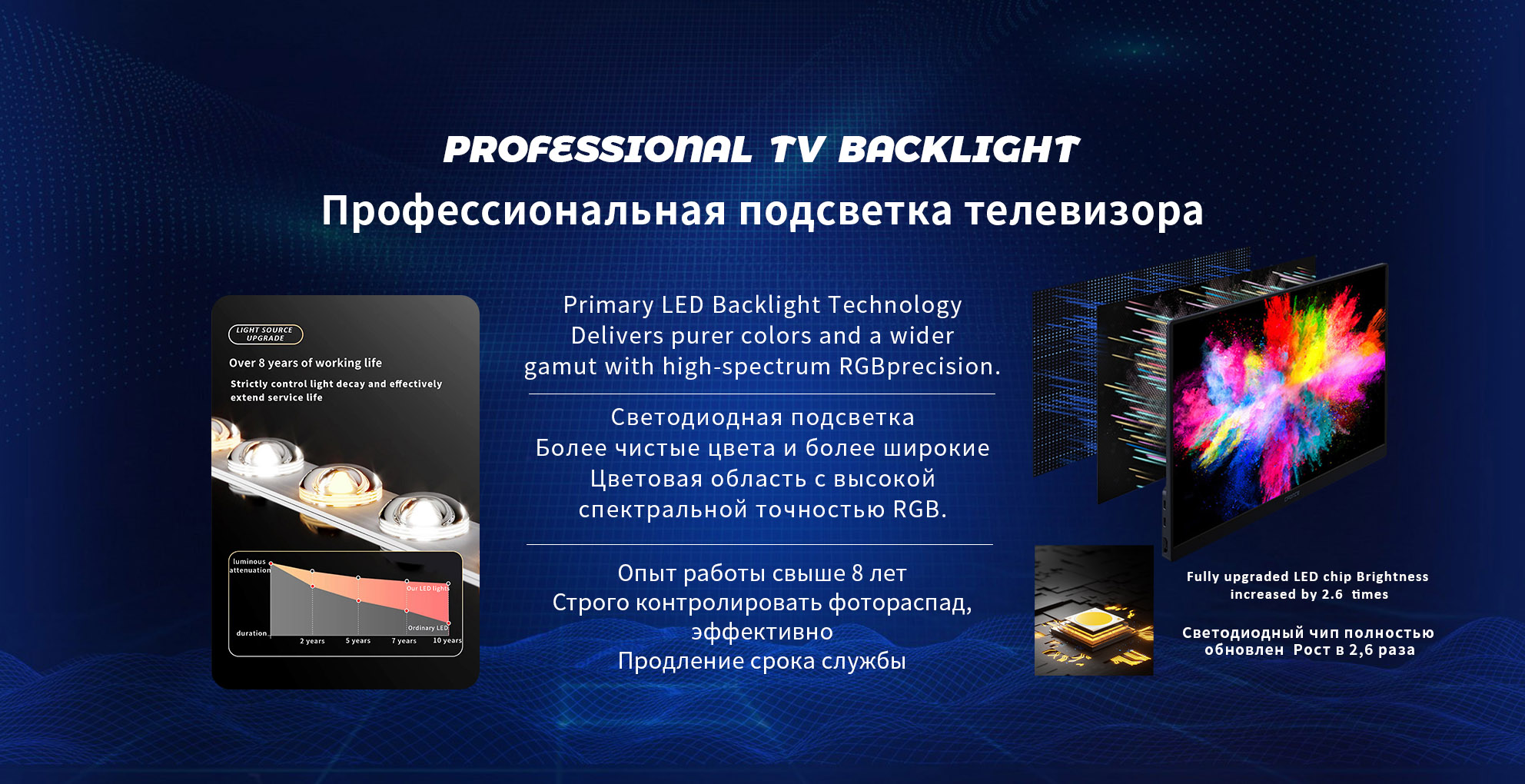
LED technology is known for efficiency and durability. According to the U.S. Department of Energy, high-quality LED systems can operate between 30,000 and 50,000 hours under normal conditions. However, real usage environments such as high brightness settings, heat buildup, and voltage instability can shorten this lifespan.
Common causes of failure include:
LED chip degradation over time
Thermal stress due to poor heat dissipation
Voltage fluctuations affecting circuit stability
Manufacturing inconsistencies in low-quality strips
When one LED fails, it can disrupt the entire strip circuit, causing partial or complete loss of screen brightness.
Signs that replacement is required
Recognizing early symptoms helps prevent further damage and reduces repair time:
Screen is completely black but sound is working
Display appears very dim or visible only under strong light
Brightness is uneven across different areas
Screen flashes briefly during startup and then goes dark
These signs indicate that the led tv backlight strips are no longer functioning properly and require replacement.
Types of LED backlight systems
Understanding the structure of the television helps determine the correct replacement approach.
Direct-lit backlight
LED strips are placed behind the entire panel, providing even brightness. This design is common in larger screens and allows better light control.
Edge-lit backlight
LED strips are installed along the edges, and light is distributed through diffusion layers. This design supports thinner televisions but requires precise optical alignment.
Each type requires specific strip configurations, so replacements must match the original structure.
Key specifications for replacement
Accurate matching is essential for stable performance. The following parameters must be verified before replacement:
| Specification | Importance | Impact if mismatched |
|---|
| Voltage rating | Ensures compatibility with driver board | Overheating or failure to start |
| LED quantity | Controls brightness distribution | Uneven lighting |
| Strip length | Determines physical fit | Installation issues |
| Lens design | Affects light diffusion | Dark spots or glare |
| Connector type | Enables correct electrical connection | Power failure |
Replacing strips without checking these factors often leads to repeat repairs or reduced product lifespan.
Replacement process overview
A structured workflow ensures safe and effective replacement:
Disconnect power and open the back cover
Remove internal boards and panel frame
Lift the LCD panel carefully to avoid damage
Remove diffusion sheets in correct order
Replace faulty LED strips with matched units
Test illumination before full reassembly
Reassemble the television and confirm performance
This process requires precision and proper handling, especially when dealing with fragile display components.
Role of a reliable manufacturer
The success of replacement depends heavily on the quality and consistency of the strips used. A professional backlight strip manufacturer ensures stable brightness, consistent color temperature, and reliable electrical performance across different models.
StarSharp focuses on LED backlight solutions for televisions and commercial displays. With more than 5,000 product specifications and annual production capacity exceeding 26 million units, the company supports a wide range of replacement needs across global markets. This extensive model coverage allows accurate matching and reduces sourcing time for both standard and specialized requirements.
Final thought
LED tv backlight strip replacement is a precise technical process that restores display functionality by replacing the core illumination system. Proper identification, accurate specification matching, and reliable product quality are essential to achieving consistent results. With the right replacement strategy and stable manufacturing support, televisions can regain full brightness performance and extended service life after repair.