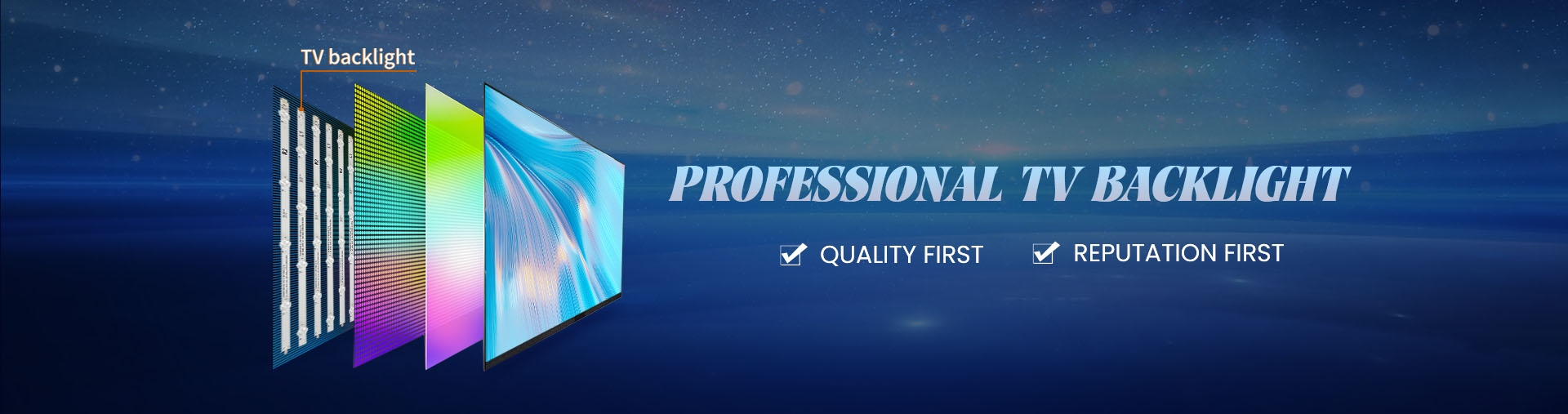
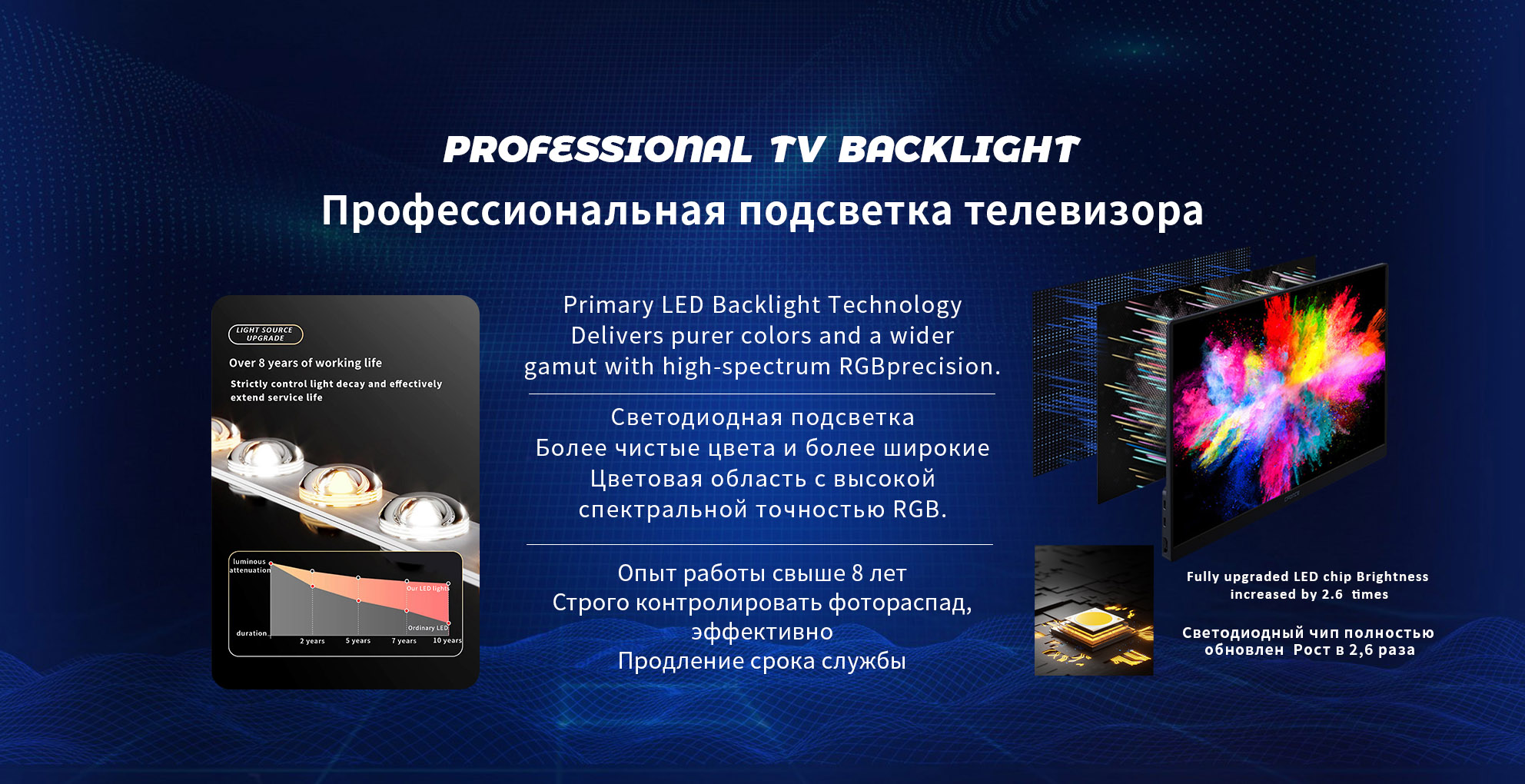
Understanding backlight structure is essential when evaluating display quality, repair feasibility, and long-term performance. Modern LCD televisions rely on LED backlighting, but not all designs distribute light in the same way. Two dominant structures define the market: edge-lit and direct-lit systems. Each design brings different trade-offs in brightness control, cost, thickness, and serviceability.
From a manufacturing perspective, selecting the right configuration is not only about visual output. It also affects supply chain planning, spare parts compatibility, and after-sales maintenance efficiency. StarSharp focuses on backlight strip development and production, offering solutions that align with both system structures and real-world replacement needs.
Core Structure Differences
The most fundamental distinction lies in how LEDs are positioned behind the panel.
Edge-lit televisions place led strips along the edges of the screen, typically on one or more sides. Light is guided across the panel through a light guide plate and diffused to create a uniform image. This design reduces thickness and material usage.
Direct-lit televisions, on the other hand, arrange led strips evenly across the entire back panel. Light is projected directly toward the screen through diffuser layers, allowing more consistent brightness distribution and better control of luminance zones.
This structural variation defines the key edge lit vs direct lit backlight difference, influencing not only picture quality but also repair complexity and component selection.
Performance Comparison
| Aspect | Edge-Lit TV | Direct-Lit TV |
|---|
| Thickness | Slim profile | Slightly thicker |
| Brightness uniformity | May show edge shadowing | More even light distribution |
| Local dimming capability | Limited | Stronger potential |
| Power efficiency | Generally lower consumption | Slightly higher consumption |
| Repair complexity | More sensitive to alignment | Easier strip replacement |
Industry data from display research institutions indicates that direct-lit systems can improve brightness uniformity by up to 20 percent compared to edge-lit designs under the same panel size conditions. This difference becomes more visible in larger screens and high-brightness applications.
Impact on Image Quality
Edge-lit TVs are widely used in consumer markets due to their slim design and lower production cost. However, light must travel across the panel, which increases the risk of uneven brightness, especially in large displays. Dark corners or light leakage may appear if the optical system is not well controlled.
Direct-lit TVs distribute LEDs evenly, allowing more consistent illumination. This structure supports better contrast and reduces the chance of shadowing. It is often preferred for commercial displays, large-format TVs, and environments requiring stable visual performance over long periods.
StarSharp develops backlight strips for both configurations, helping manufacturers and service providers maintain stable brightness output across different product lines.
Differences in Repair and Replacement
Repair scenarios highlight another important contrast between the two designs. Edge-lit systems rely heavily on light guide plates and optical films. When disassembling the panel, improper handling may easily affect light diffusion, leading to new display defects after reassembly.
Direct-lit systems simplify the process. backlight strips are arranged in rows, making identification and replacement more straightforward. For service teams, this reduces labor time and improves repair success rates.
When sourcing components for led backlight types, accurate matching remains critical. Strip length, LED count, voltage configuration, and connector layout must align precisely with the original design.
Cost Structure and Supply Considerations
Edge-lit TVs typically require fewer LEDs, which lowers material cost. This makes them suitable for price-sensitive markets and mass production models. However, the reliance on optical components can increase precision requirements during manufacturing.
Direct-lit TVs use more LEDs, increasing initial cost but improving performance stability. In long-term use scenarios, this structure often reduces maintenance frequency, which is valuable for commercial installations and high-usage environments.
As a professional display parts supplier, StarSharp provides a wide range of backlight strip models covering different sizes, structures, and voltage systems. With thousands of specifications and consistent production capability, the company supports both manufacturing and replacement demands across global markets.
Choosing the Right Backlight System
Selecting between edge-lit and direct-lit designs depends on application priorities rather than a single standard. Thin form factor and cost control favor edge-lit systems, while brightness consistency and durability favor direct-lit solutions.
For buyers managing inventory or repair services, understanding these differences helps reduce mismatched orders and improves product positioning. StarSharp’s product coverage across both structures allows flexible sourcing aligned with market needs, helping maintain supply continuity and repair efficiency.
Conclusion
Edge-lit and direct-lit televisions represent two distinct approaches to backlight engineering. Each structure influences display performance, product design, and service requirements. Clear understanding of these differences supports better decision-making in sourcing, maintenance, and product development. StarSharp’s backlight solutions provide stable support across both configurations, ensuring consistent performance and reliable replacement options.