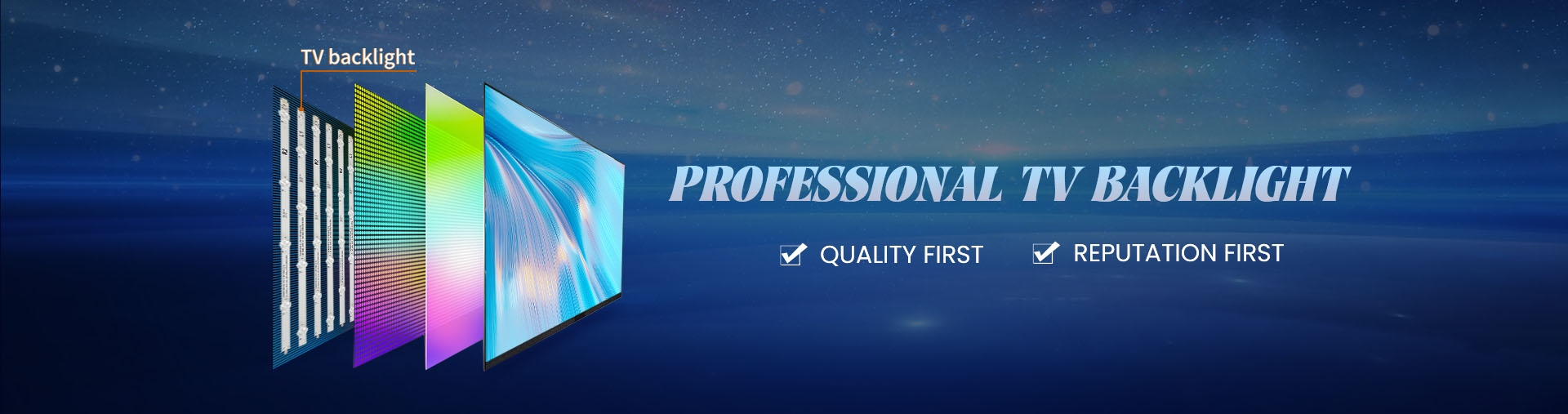
Dark spots on a TV screen often come from uneven backlight output, aging LED strips, weak optical diffusion, dust inside the panel, or partial LED failure. For repair channels, distributors, and service parts buyers, the key is not only fixing one screen, but reducing repeat failures after replacement.
StarSharp focuses on television backlight products, including direct light strips, edge light strips, and commercial display backlight solutions. The company states that it has over 10 years of research, production, and sales experience, more than 5,000 specifications, and annual production and sales capacity of over 26 million units.
Why Dark Spots Appear on TV Screens
Most LCD TVs rely on Led Backlight Strips behind the panel. When one LED becomes dimmer than others, the screen can show a shadow, patch, or cloudy dark area. This is a common dark spots tv backlight issue, especially on TVs used for long hours in homes, hotels, rental apartments, schools, and commercial display environments.
Common causes include:
| Cause | Screen Symptom | Repair Direction |
|---|
| Weak LED beads | Local dark patch | Replace matched backlight strips |
| Burned LED section | Large shadow area | Test strip voltage and lamp count |
| Lens falling off | Bright dots or uneven spots | Replace strip and inspect diffuser |
| Dust inside panel | Small fixed marks | Clean optical layers carefully |
| Aging diffuser sheets | Uneven light spread | Check optical film condition |
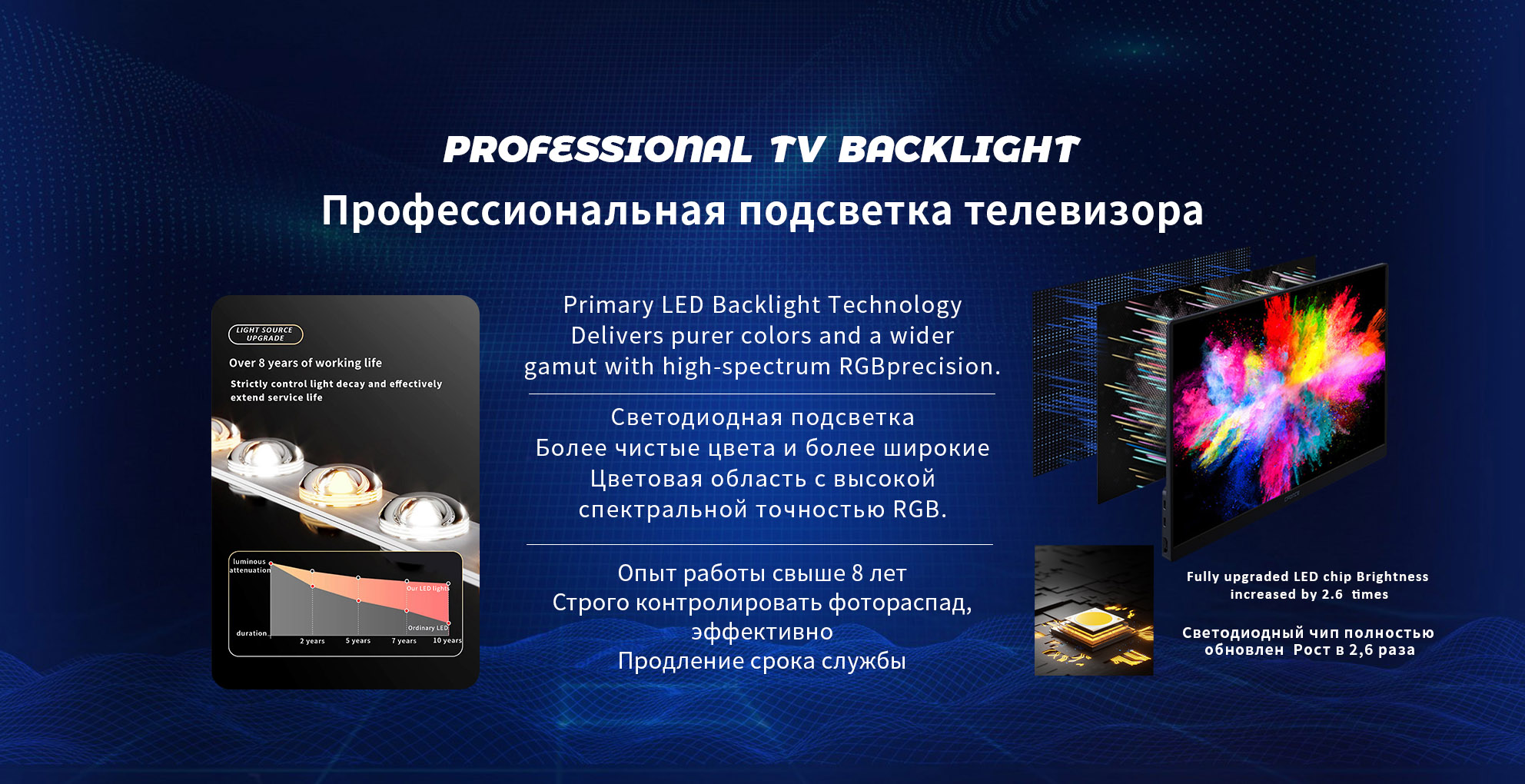
According to the U.S. Department of Energy, well-designed LED systems can operate between 30,000 and 50,000 hours, but actual life depends on heat control, material quality, and operating conditions. StarSharp also highlights heat management and stable brightness as important factors for backlight strip performance.
Step One: Confirm Whether It Is a Backlight Problem
Before ordering parts, technicians should check whether the dark area changes when brightness is adjusted. When the image content is still visible but the area remains dim, the backlight system is often the main suspect. A flashlight test can also help confirm whether the LCD image is still present while the light source behind it has weakened.
For professional tv screen repair, buyers should avoid replacing strips based only on TV size. StarSharp notes that correct matching depends on strip structure, lamp count, voltage, connector layout, lens spacing, mounting hole position, and the printed code on the original strip.
Step Two: Open the Panel Carefully
Dark spot repair usually requires panel disassembly. The LCD glass is thin and fragile, so the repair process should use a clean table, anti-static handling, and organized screw placement. Optical films must be kept in the same order and direction, because reversed or contaminated films may create new shadows after repair.
For repair shops and refurbishing teams, this step affects yield rate. A low-cost strip can still cause loss if it does not fit correctly, creates uneven brightness, or requires repeated labor. That is why stable model identification matters as much as the part price.
Step Three: Replace Full Backlight Sets When Needed
Replacing only one weak strip may seem economical, but mixed old and new strips can create brightness differences. For larger TVs or heavily used units, replacing the full set often gives more consistent light output. This is especially important for repair businesses that need stable after-sales performance.
StarSharp provides led tv backlight strips across many screen sizes, including 32 inch, 43 inch, 50 inch, 55 inch, 65 inch, 75 inch, and other common repair sizes. Its product range also includes universal strips and model-specific strips for different TV repair needs.
Step Four: Test Before Final Assembly
After installation, technicians should test the backlight before closing the TV. The screen should show even white, gray, and dark images without visible shadow patches. Voltage should remain stable, and connectors should be firmly seated.
Key inspection points include:
Uniform brightness across the full screen
No visible dark corners or local shadows
No bright dots from misplaced lenses
No dust trapped between optical films
Stable lighting after several minutes of operation
For buyers working with a repair parts wholesaler, consistent inspection standards help reduce return rates. StarSharp positions its backlight strips for repair channels, distributors, refurbishers, and service parts buyers that need model matching, stable brightness, and dependable supply.
Why StarSharp Backlight Parts Help Repair Businesses
Screen dark spots are not only a technical issue. They also affect repair cost, customer trust, inventory turnover, and delivery speed. StarSharp supports this market with broad specification coverage, factory-direct supply, and backlight products for direct light and edge light structures.
For buyers managing multiple repair models, the main advantage is easier part matching. With thousands of specifications, StarSharp can support different screen sizes, connector layouts, LED quantities, and strip structures. This helps reduce wrong orders and improves repair efficiency.
Final Thoughts
Fixing dark spots on a TV screen starts with accurate diagnosis, careful disassembly, correct backlight strip matching, and full brightness testing. StarSharp’s television backlight product range gives repair channels and parts buyers a practical supply option for improving repair consistency, reducing mismatch risk, and supporting stable replacement demand.