Selecting the correct backlight strip size is one of the most common challenges in tv repair and parts sourcing. Many assume that screen size directly determines strip size, but in practice, internal design variations make the process more complex. Accurate selection depends on structure, layout, and electrical configuration rather than a single dimension reference.
StarSharp focuses on Led Backlight Strip manufacturing, offering a wide range of specifications to support both replacement markets and production supply. With thousands of models available, understanding how to identify the right size becomes critical for avoiding mismatch and repeat repairs.
Why Screen Size Alone Is Not Enough
A 55 inch television may use multiple backlight configurations depending on panel supplier, production batch, and internal structure. Two TVs with identical external dimensions can have completely different strip layouts.
The concept of led strip size is not limited to length. It includes multiple parameters such as strip width, LED spacing, mounting hole positions, and connector placement. These factors determine whether the strip can be installed correctly and function as intended.
Industry repair data shows that incorrect size selection accounts for a significant portion of replacement failures. Even small deviations in strip length or LED alignment can lead to uneven brightness or installation difficulty.
Key Dimensions That Define Backlight Strip Size
To perform accurate tv backlight strip size selection, technicians and buyers should evaluate several physical and electrical aspects together:
| Parameter | What It Refers To | Why It Matters |
|---|
| Strip length | Total length of the LED bar | Must fit panel structure precisely |
| Strip width | Width of the PCB board | Affects mounting and heat dissipation |
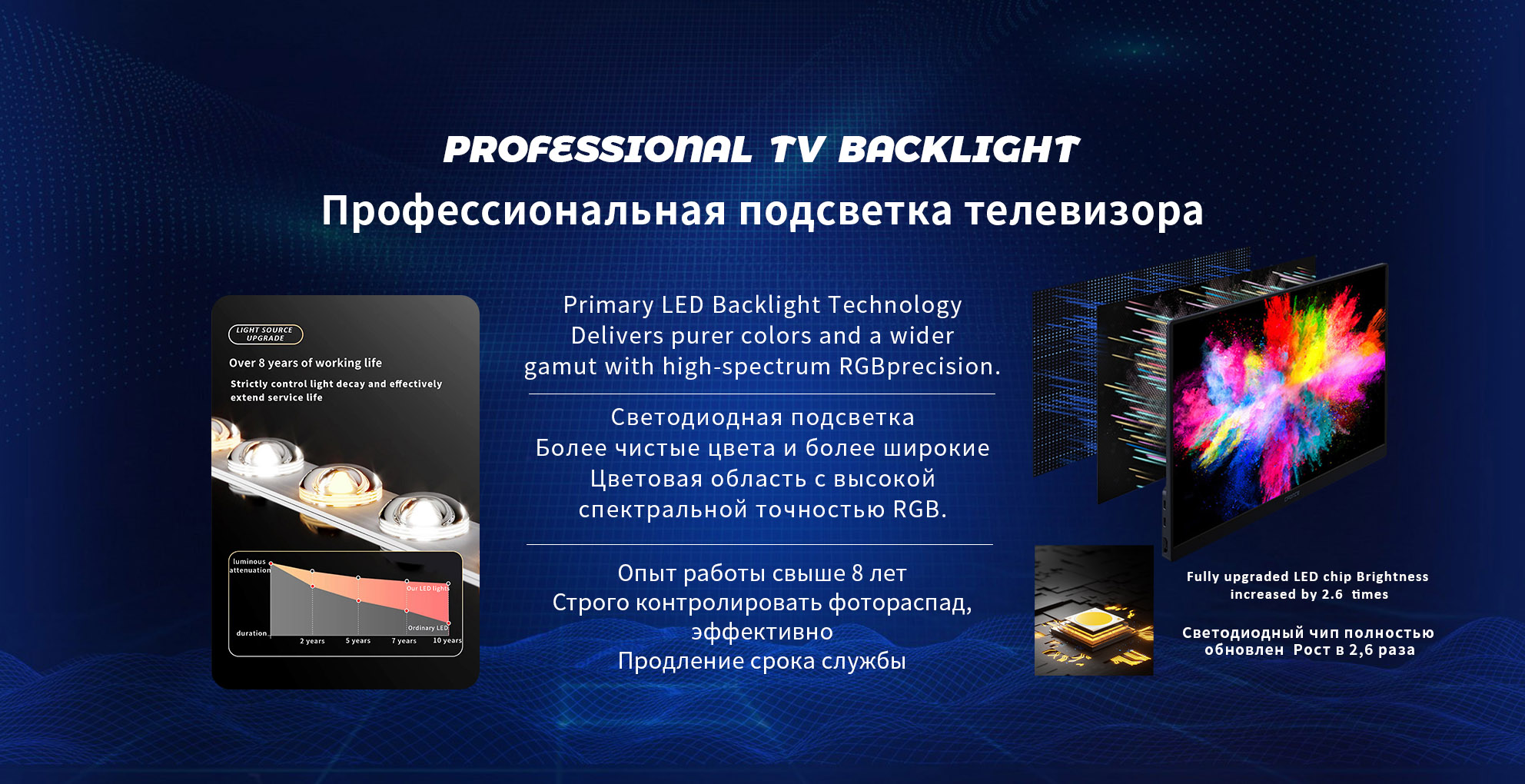
| LED count | Number of LEDs on each strip | Determines brightness output |
| LED spacing | Distance between LEDs | Ensures uniform light distribution |
| Mounting holes | Screw hole positions | Required for secure installation |
| Connector location | Position and direction of plug | Impacts wiring compatibility |
These dimensions together define whether a strip is suitable, not just its overall size.
Understanding Different Backlight Structures
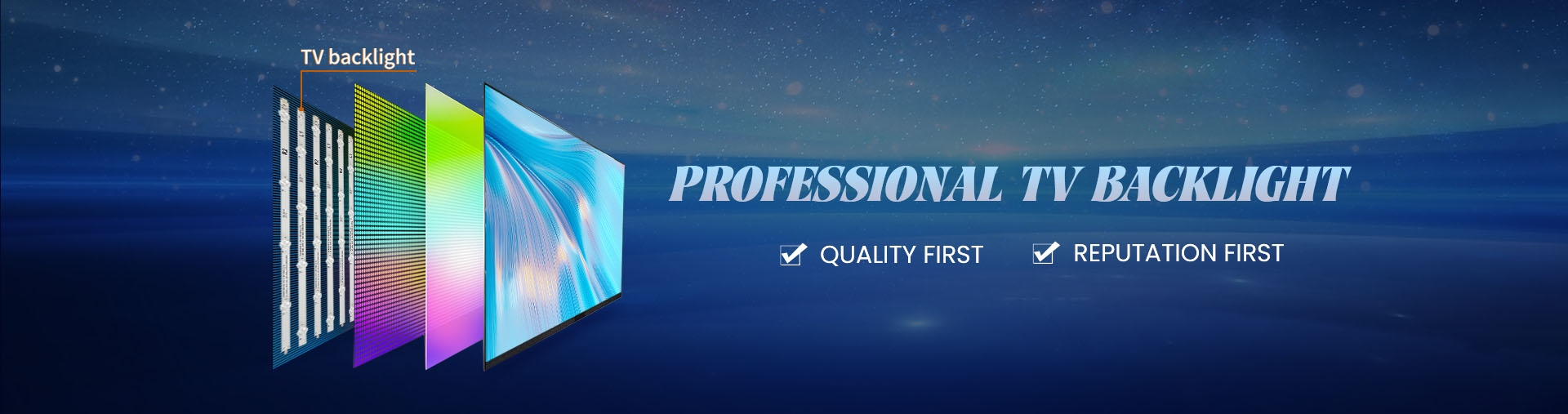
backlight strips vary depending on whether the TV uses edge-lit or direct-lit design.
Edge-lit systems typically use longer strips placed along the edges of the panel. These strips rely on light guide plates to distribute brightness across the screen. As a result, strip length tends to match the side dimensions of the panel.
Direct-lit systems use multiple shorter strips arranged behind the panel in rows. Each strip contributes directly to brightness, making LED count and spacing more critical than overall length.
This structural difference affects how size is interpreted. Matching the correct structure is just as important as matching dimensions.
Step-by-Step Size Identification Process
A practical approach helps reduce errors and improves efficiency in parts selection.
First, open the TV carefully and expose the backlight system. Record all visible information on the original strip, including printed codes and layout.
Next, measure the exact length of the strip and count the number of LEDs. Pay attention to the spacing between LEDs, as this affects light uniformity after installation.
Then, check mounting hole positions and connector orientation. These details often vary even between similar models and must align precisely.
Finally, compare the collected data with supplier specifications. StarSharp provides detailed technical information to support accurate matching across its product range.
Common Mistakes in Size Selection
Many mismatches occur due to simplified assumptions during procurement or repair. Typical issues include:
Choosing strips based only on screen size
Ignoring LED count differences
Overlooking connector placement
Assuming similar appearance means compatibility
Mixing strips from different configurations
Each of these mistakes can result in uneven brightness, flickering, or installation failure.
Supply Considerations for Large Volume Buyers
For distributors and repair networks, managing a wide range of strip sizes can be challenging. Working with a reliable bulk backlight supplier helps streamline sourcing and reduce inventory complexity.
StarSharp offers over 5,000 backlight strip specifications and maintains large-scale production capacity. This allows buyers to consolidate sourcing across multiple models while ensuring consistent quality and delivery stability.
Data from global electronics service markets indicates that structured inventory management can reduce parts mismatch rates by more than 25 percent and improve repair turnaround time significantly.
Practical Tips for Better Matching
Accurate size selection is a combination of measurement, verification, and supplier support. Keeping a database of commonly used strip models can help speed up future matching. Labeling removed strips and storing reference photos also improves identification accuracy.
StarSharp supports customers with detailed product documentation and consistent manufacturing standards, helping reduce uncertainty during selection and replacement.
Conclusion
Choosing the right LED backlight strip size requires more than a simple measurement. It involves understanding structure, verifying multiple parameters, and working with a reliable supply partner. With proper identification and sourcing, repair operations can achieve higher success rates and more stable performance across different TV models.