Lower repair failure rates start before the TV is opened. For repair shops, parts distributors, and service teams, many repeated failures are not caused by technician skill alone. They often come from incorrect diagnosis, mismatched parts, poor handling of optical layers, or unstable replacement quality.
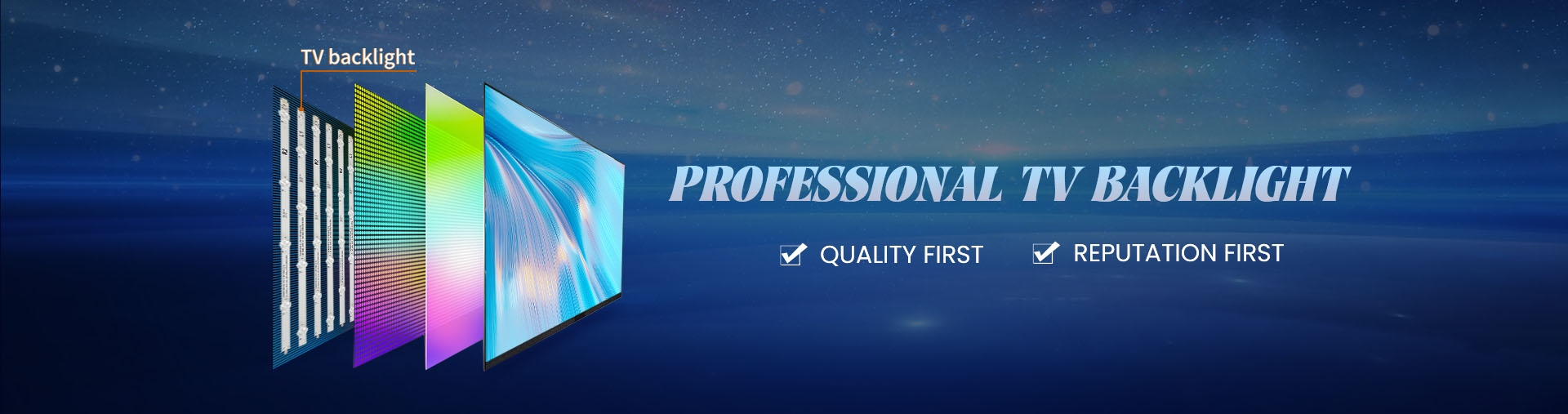
For LCD TVs, the backlight system is one of the most frequent repair points. When brightness becomes uneven, the screen turns dark, or only sound remains, the backlight strip, power circuit, or connector system should be checked carefully. A clear process helps reduce rework and protect service margins.
Build a Standard Diagnosis Process
A stable diagnosis process should separate panel failure, power board failure, and backlight failure. Before replacing parts, technicians should check whether the image is still visible under external light, whether the TV has sound, and whether the backlight flashes briefly during startup.
For backlight-related repairs, voltage testing is important. If the driver voltage rises and then drops quickly, one or more LEDs may be open circuit. If voltage is absent, the fault may be in the driver circuit instead of the strip itself.
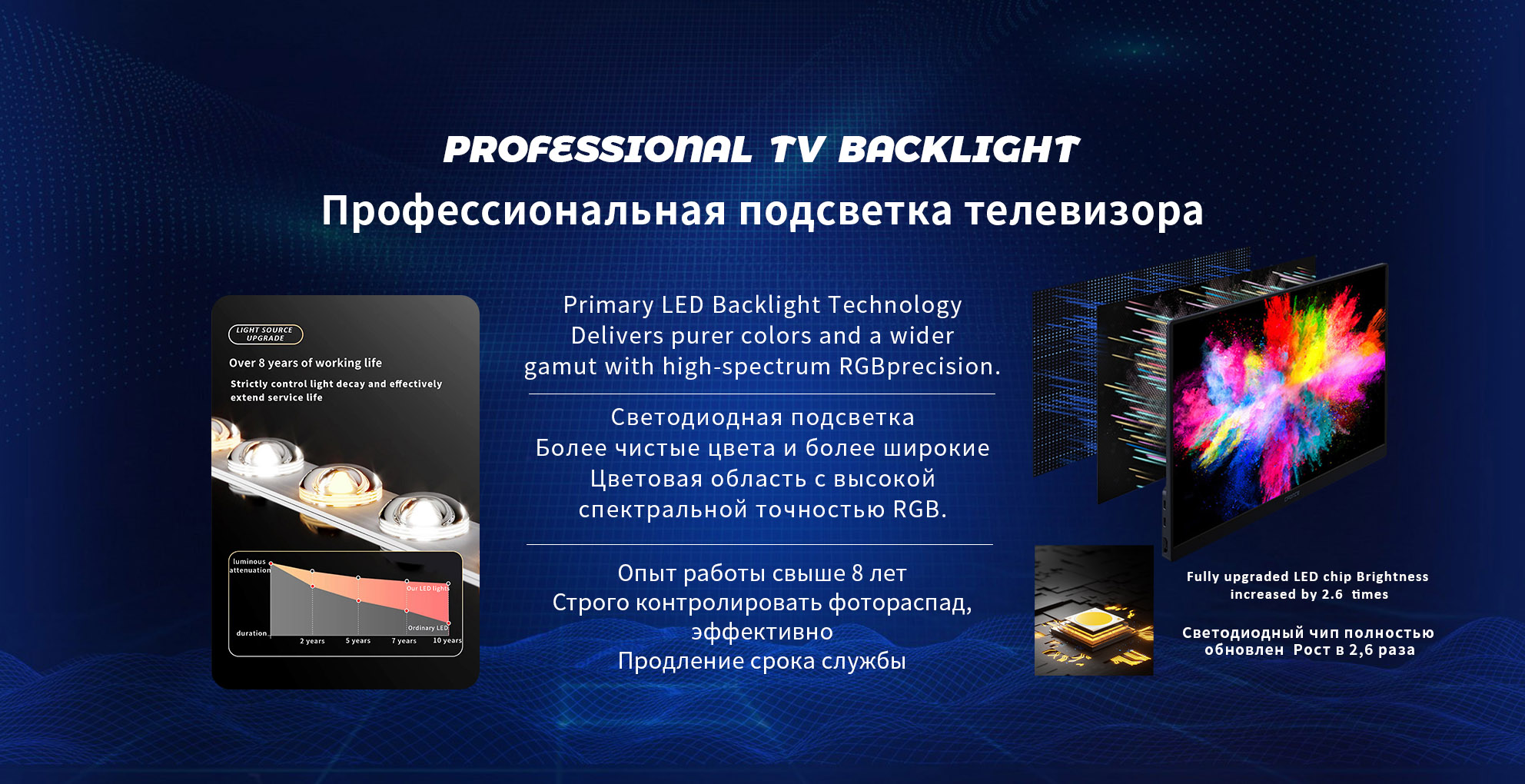
The U.S. Department of Energy states that LED systems can often reach tens of thousands of operating hours, but heat, current, design quality, and working environment directly affect service life. This explains why two TVs with similar screen size may show very different backlight aging conditions.
Use Matched Replacement Parts
Incorrect part matching is a major reason for repeat repairs. Screen size alone is not enough. A 55 inch TV may use different strip lengths, LED counts, connector directions, and voltage designs across different panel batches.
When selecting tv repair parts, technicians should record the printed code, strip length, LED quantity, lens spacing, mounting hole position, and connector layout. These details help confirm compatibility before installation.
| Matching Item | What to Check | Risk If Ignored |
|---|
| Printed strip code | Model and batch reference | Wrong part selection |
| LED count | Number of LEDs per strip | Uneven brightness |
| Strip length | Physical fit | Installation failure |
| Voltage design | Electrical compatibility | Flicker or burnout |
| Lens spacing | Light distribution | Bright spots or shadows |
| Connector direction | Wiring match | No power or poor contact |
A reliable electronics repair supplier should provide clear product specifications, stable model coverage, and support for technical matching. StarSharp manufactures led tv backlight strips with broad specification coverage, supporting repair channels that need consistent part replacement and lower mismatch risk.
Replace Full Backlight Sets When Necessary
Replacing only one failed strip may reduce short-term cost, but it can increase failure risk when the remaining strips are already aged. New and old strips may have different brightness levels, causing visible bands or shadows after assembly.
For high-hour TVs, large screens, and customer units requiring stable results, full-set replacement is often the better choice. It keeps brightness more uniform and reduces the possibility of another strip failing shortly after repair.
This approach is especially useful for repair businesses handling commercial displays, hotel TVs, rental units, and refurbished inventory. These environments often involve long daily operating hours, making balanced backlight performance more important.
Control Handling During Panel Disassembly
Many repair failures happen during the repair process itself. LCD glass is fragile, and optical films are sensitive to dust, fingerprints, scratches, and wrong stacking order. Once contamination enters the light diffusion layers, new shadows may appear even after the backlight has been replaced.
Technicians should prepare a clean work area, use anti-static handling, label film order, and avoid bending the panel. Screws, frame clips, and diffuser sheets should be organized carefully to prevent assembly mistakes.
For service teams, training and tool preparation are as important as parts quality. A correct strip can still fail to deliver a good result if the panel is not handled properly.
Test Before Final Assembly
Before closing the TV, the backlight should be tested with white, gray, and dark images. The screen should show even brightness without flicker, dark zones, bright dots, or visible bands.
Aging tests can also help detect weak solder joints or unstable LED performance. Even a short burn-in test after replacement can reduce customer returns. For large repair batches, recording failure causes and tested strip models helps build a useful internal repair database.
The goal is to reduce tv repair failure backlight issues through repeatable inspection rather than relying on experience alone.
Why StarSharp Supports Lower Failure Rates
StarSharp focuses on LED tv backlight strip production and offers thousands of specifications for different TV sizes and structures. This broad coverage helps buyers match parts more accurately across direct-lit and edge-lit systems.
The company’s manufacturing experience, stable supply capability, and product range help repair businesses reduce wrong orders, improve inventory planning, and maintain consistent repair results. For buyers managing bulk replacement demand, this reduces both technical risk and after-sales pressure.
Final Thoughts
Reducing TV repair failure rate depends on accurate diagnosis, correct part matching, careful panel handling, full testing, and dependable supply. Backlight repair is not only a component replacement task. It is a process that combines technical verification, parts consistency, and quality control.
StarSharp’s backlight strip solutions support repair businesses that need stable replacement parts, clear specifications, and reliable supply for ongoing repair demand.