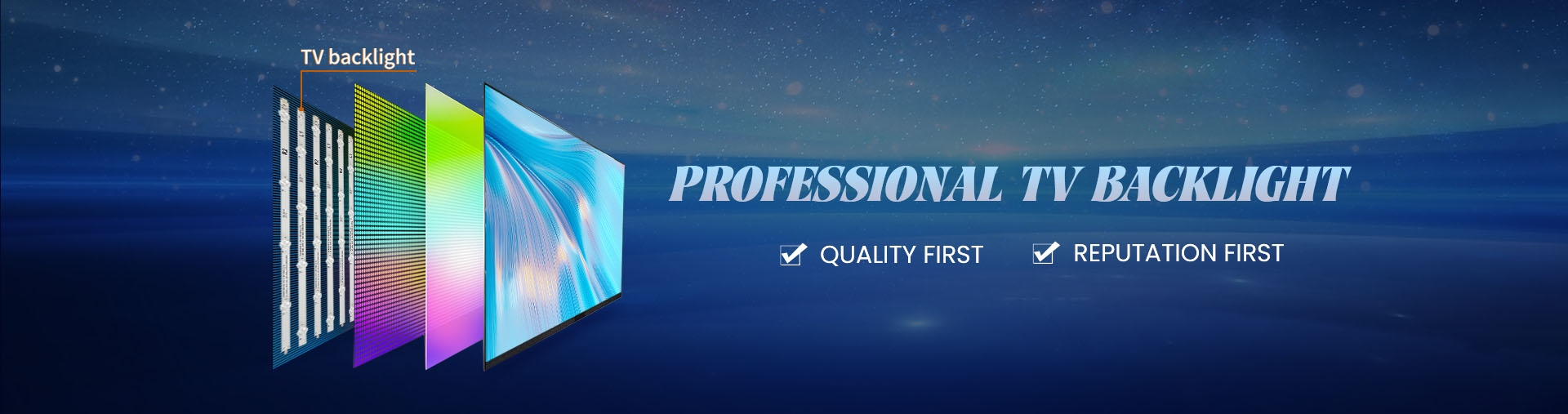
Modern slim televisions need a lighting structure that can deliver brightness without taking too much internal space. An edge-lit tv backlight strip is a narrow LED strip installed along the side, top, bottom, or frame edge of an LCD panel. Instead of placing LEDs directly behind the whole screen, this structure guides light through a light guide plate, then spreads it across the display surface.
This design is widely used in thin TV models because it helps reduce panel thickness and material weight. According to industry LED lighting guidance from the U.S. Department of Energy, LEDs are valued for high energy efficiency, compact size, and long service potential when thermal control and current design are managed correctly. For tv repair and spare parts supply, these points make the backlight strip one of the most important components inside the screen.
How Edge-Lit Backlight Works
An edge lit backlight does not shine straight forward from the rear of the panel. The LEDs are mounted at the edge, and light enters the light guide plate from the side. The guide plate, reflector, diffuser films, and prism films then help distribute light evenly across the viewing area.
This structure requires accurate LED spacing, lens position, strip length, and connector direction. A small difference may cause uneven brightness, white spots, dark corners, or installation difficulty. That is why replacement strips should not be selected by TV size alone. Panel model, original strip code, voltage, LED count, and physical layout all need to be checked before ordering.
| Item To Check | Why It Matters |
|---|
| Strip length | Ensures the strip fits the original frame position |
| LED quantity | Affects brightness level and electrical load |
| Input voltage | Helps avoid driver board mismatch |
| Connector type | Supports faster installation and correct polarity |
| Light guide direction | Prevents shadow areas and uneven diffusion |
Why Edge-Lit Strips Are Used In Slim TVs
The main advantage of edge lighting is structural efficiency. Since LEDs are placed along the edge rather than across the full rear panel, the TV body can be thinner. This also leaves more room for compact internal layout, which is useful for lightweight consumer displays and commercial screens.
For repair channels, edge lit tv backlight strips also help reduce replacement cost compared with changing a complete display module. When the LCD panel is still working but the screen becomes dim, flickers, or shows no image under normal power conditions, replacing the backlight strip can be a practical solution.
Key Quality Points We Control
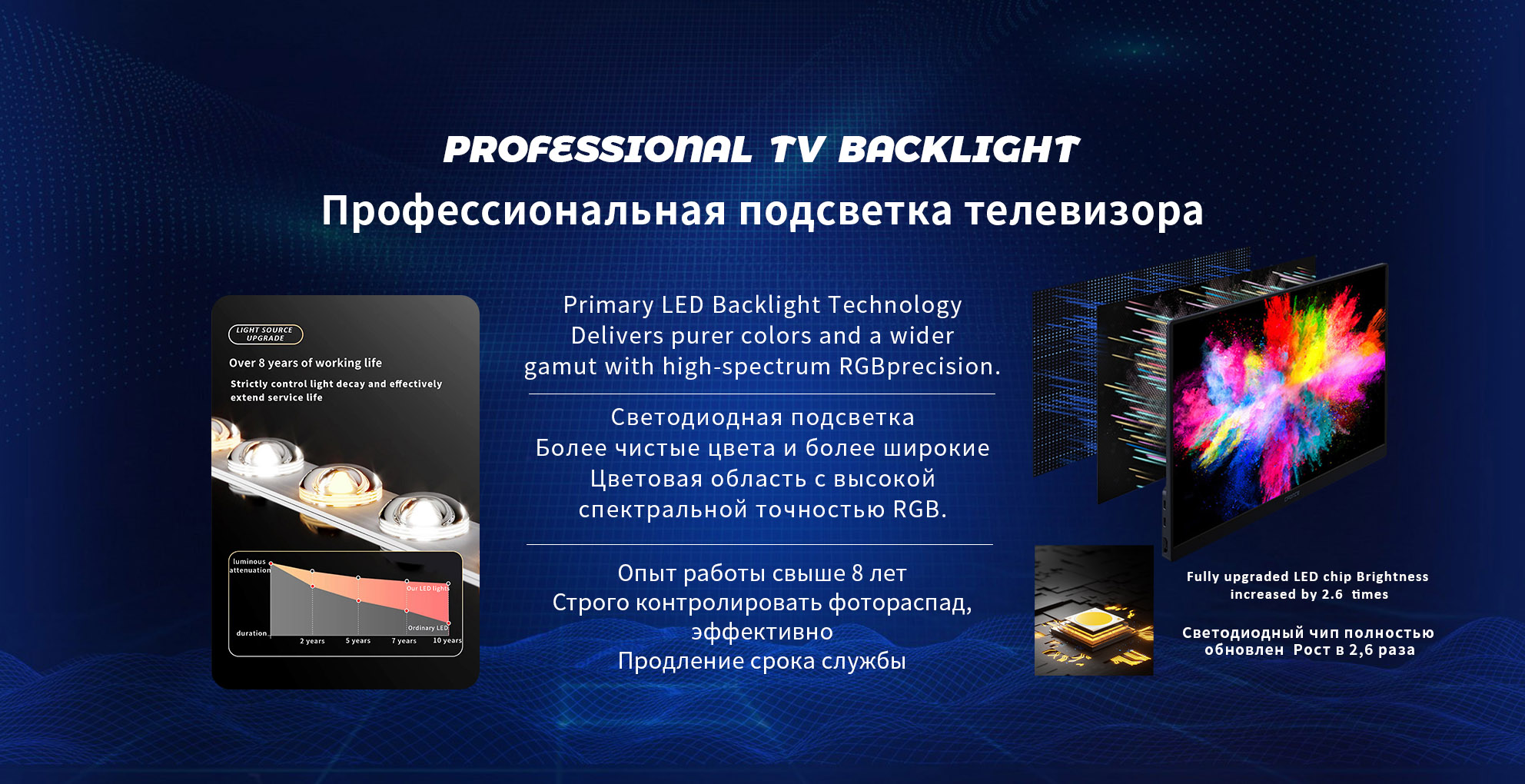
From a manufacturing perspective, edge-lit strips need stable LED brightness, clean soldering, suitable aluminum substrate thickness, and consistent current performance. Heat dissipation is especially important because LEDs are arranged in a narrow strip, and poor thermal control can shorten service life.
We check lamp bead consistency, substrate flatness, solder joint stability, connector firmness, and strip surface cleanliness. For large orders, model labeling and packing protection are also important. Long and thin strips can bend during shipping, so reinforced packaging helps reduce breakage before installation.
Why Compatibility Matters
Many TV models share similar screen sizes, but the internal backlight design may be different. A 43-inch or 55-inch TV may use different strip codes, LED voltage, connector positions, or light guide structures. Choosing only by screen size can lead to wrong parts, wasted labor, and return issues.
As a tv parts supplier, we usually recommend checking the original strip photo, part number, panel code, strip dimensions, and LED specifications together. This makes matching more accurate and helps buyers manage inventory by model family, repair demand, and order frequency.
Conclusion
An edge-lit tv backlight strip is a slim LED lighting component designed for LCD screens that use side lighting and internal optical diffusion. It helps support thinner TV structures, controlled brightness, and practical screen repair when matched correctly.
For stable purchasing, the key is not only whether the strip can light up. The right choice should fit the panel structure, match the electrical design, provide even brightness, and arrive with clear identification for efficient repair work.