Reliable TV repair does not only depend on finding a strip that can light up. The better choice is a strip that can match the screen structure, power design, installation space, and brightness requirement. universal strips are useful because they can support different repair cases, but they still need careful checking before bulk purchasing.
StarSharp’s universal backlight category includes flexible repair options such as 10 LED strips with 595 x 17 mm and 830 x 17 mm specifications, which shows why length, LED count, and cutting design should be reviewed before selection.
1. Check The TV Size And Internal Structure
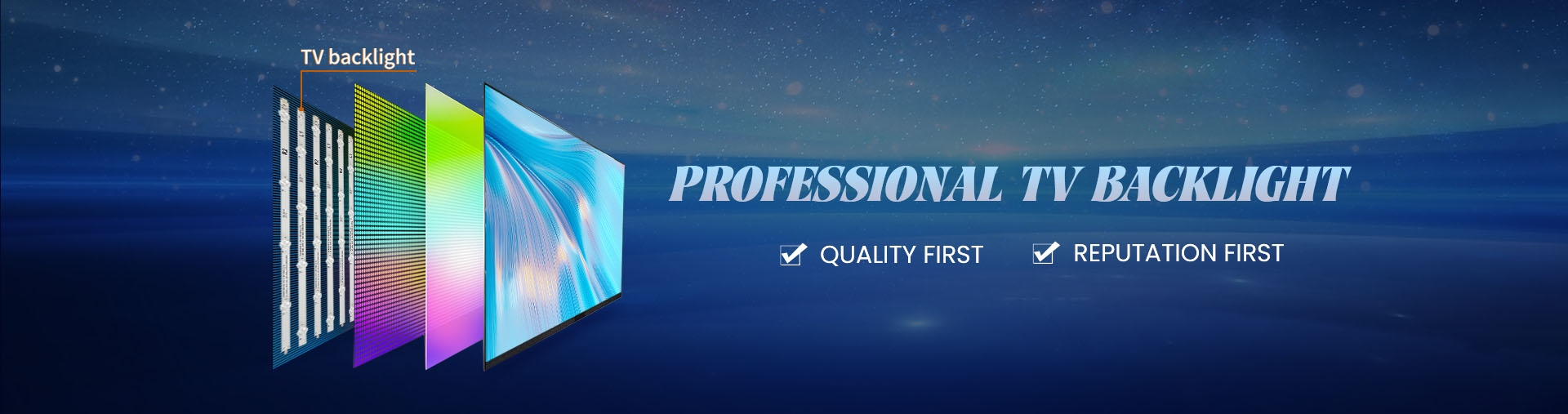
The first step is to confirm whether the screen uses direct-lit or edge-lit backlighting. Direct-lit structures place LEDs behind the panel, while edge-lit structures place LEDs near the side and rely on a light guide plate. Universal strips are more commonly used for direct-lit repair because cutting and spacing adjustment can be more flexible.
Do not select only by screen size. A 32-inch, 43-inch, or 55-inch TV may use different strip quantity, LED spacing, connector direction, and voltage design. The correct choice should be based on the original strip photo, panel code, LED quantity, and installation layout.
2. Match Voltage And Current Requirements
backlight strips must match the power board. If the voltage is too low, the screen may stay dim or fail to start. If the voltage is too high, LEDs may burn out quickly. Current stability also affects heat and service life.
Industry LED lifetime guidance from the U.S. Department of Energy explains that lumen maintenance is affected by temperature control and drive current stability. This is important for backlight strips because poor electrical matching can shorten working life even when the strip passes a quick test.
| Selection Item | What To Check | Why It Matters |
|---|
| LED voltage | 3 V or 6 V LED layout | Prevents driver mismatch |
| Strip length | Original frame size | Supports correct installation |
| LED spacing | Distance between lamp beads | Helps reduce dark areas |
| Cutting position | Marked cutting points | Improves repair flexibility |
| Connector style | Plug type and polarity | Avoids wiring errors |
3. Review Brightness Uniformity
Good universal led strips should provide balanced light after installation. Uneven brightness may come from inconsistent LED chips, poor soldering, weak lenses, or wrong spacing between the LED and diffuser plate.
Before ordering, buyers can request sample testing to check brightness, color consistency, lens bonding, and heat performance. A strip that looks bright on the workbench may still create shadows after assembly if the light distribution does not match the TV structure.
4. Evaluate Heat Dissipation
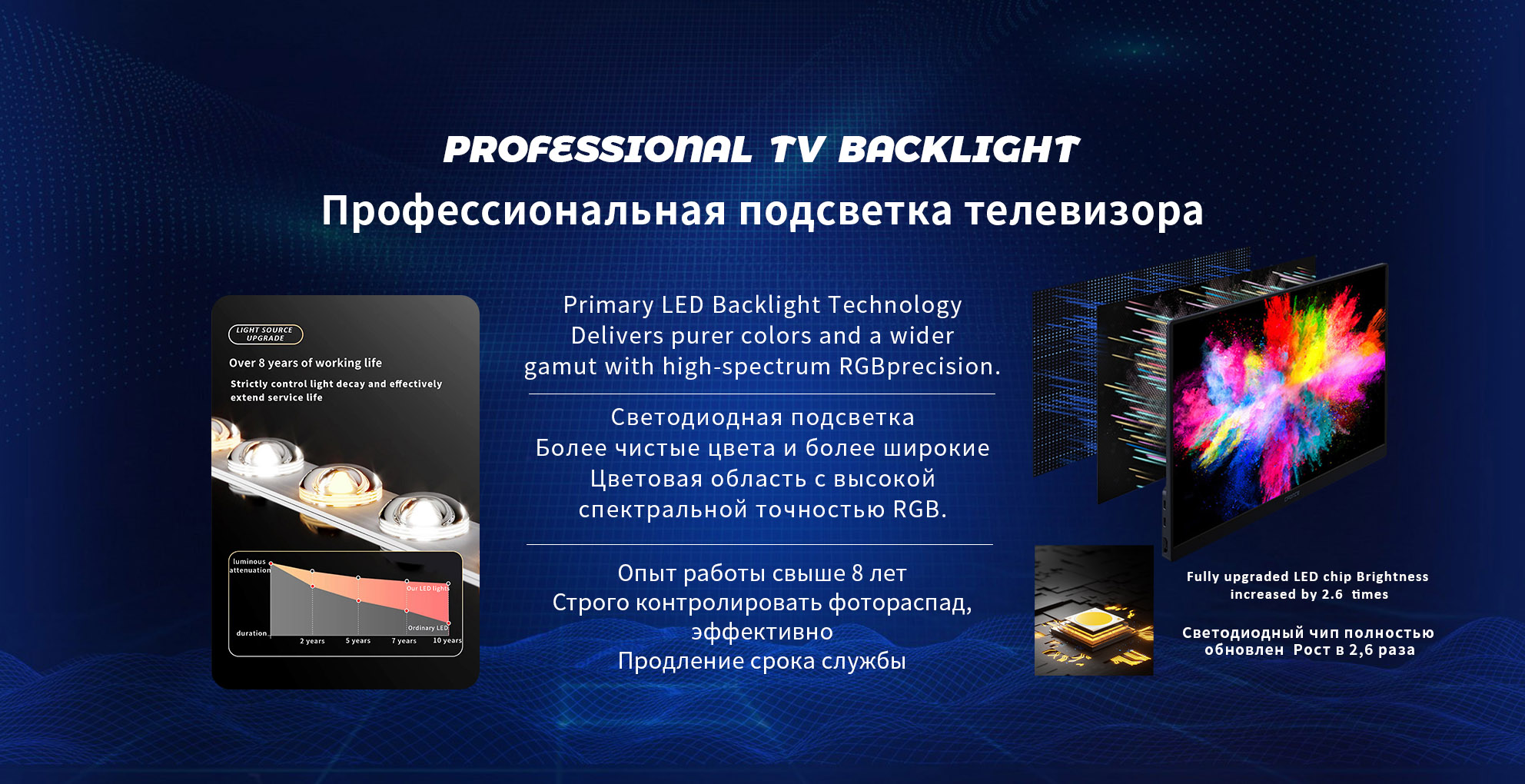
Heat is one of the main reasons LED strips fail early. Aluminum substrate quality, copper thickness, solder joint stability, and LED working current all affect heat transfer. For long working hours, good thermal control is more important than maximum brightness.
Display power research from the U.S. Department of Energy notes that LCD backlight power can be much higher than the display driving circuit, depending on screen size, resolution, and brightness. This explains why backlight efficiency and heat control are critical in TV repair parts.
5. Confirm Cutting And Installation Convenience
Universal strips are often selected because they can be cut to fit different screen sizes. However, cutting must follow the marked position. Random cutting can damage the circuit and cause open circuits.
For repair teams, installation convenience also matters. The strip should have clear polarity marks, stable adhesive or screw support, proper lens height, and easy wire connection. Clear labeling helps technicians identify the model quickly during daily repair work.
6. Select A Stable Supply Partner
When purchasing from a bulk supplier, consistency is more important than one-time low price. The same model should have stable LED brightness, same substrate width, same cutting position, and reliable packing across repeat orders.
StarSharp focuses on TV backlight direct light strips, side entry light strips, and commercial display backlight products, with more than 5,000 specifications and models. The company also states annual production and sales capacity of over 26 million units, which supports large order planning and repeat supply.
Final Thoughts
Selecting universal led tv backlight strips requires more than checking size. Buyers should review voltage, current, strip length, LED spacing, cutting points, heat dissipation, and packing quality before confirming an order.
A suitable universal strip can improve repair efficiency, reduce wrong-part risk, and make stock management easier. With proper matching and stable manufacturing control, universal backlight strips can become a practical spare parts solution for TV repair channels and display maintenance businesses.