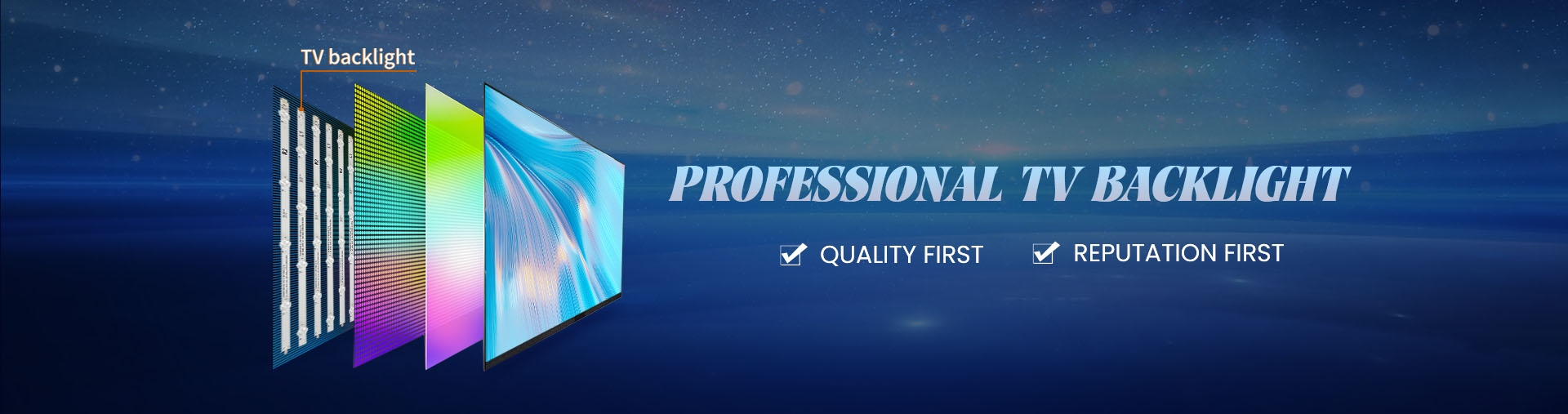
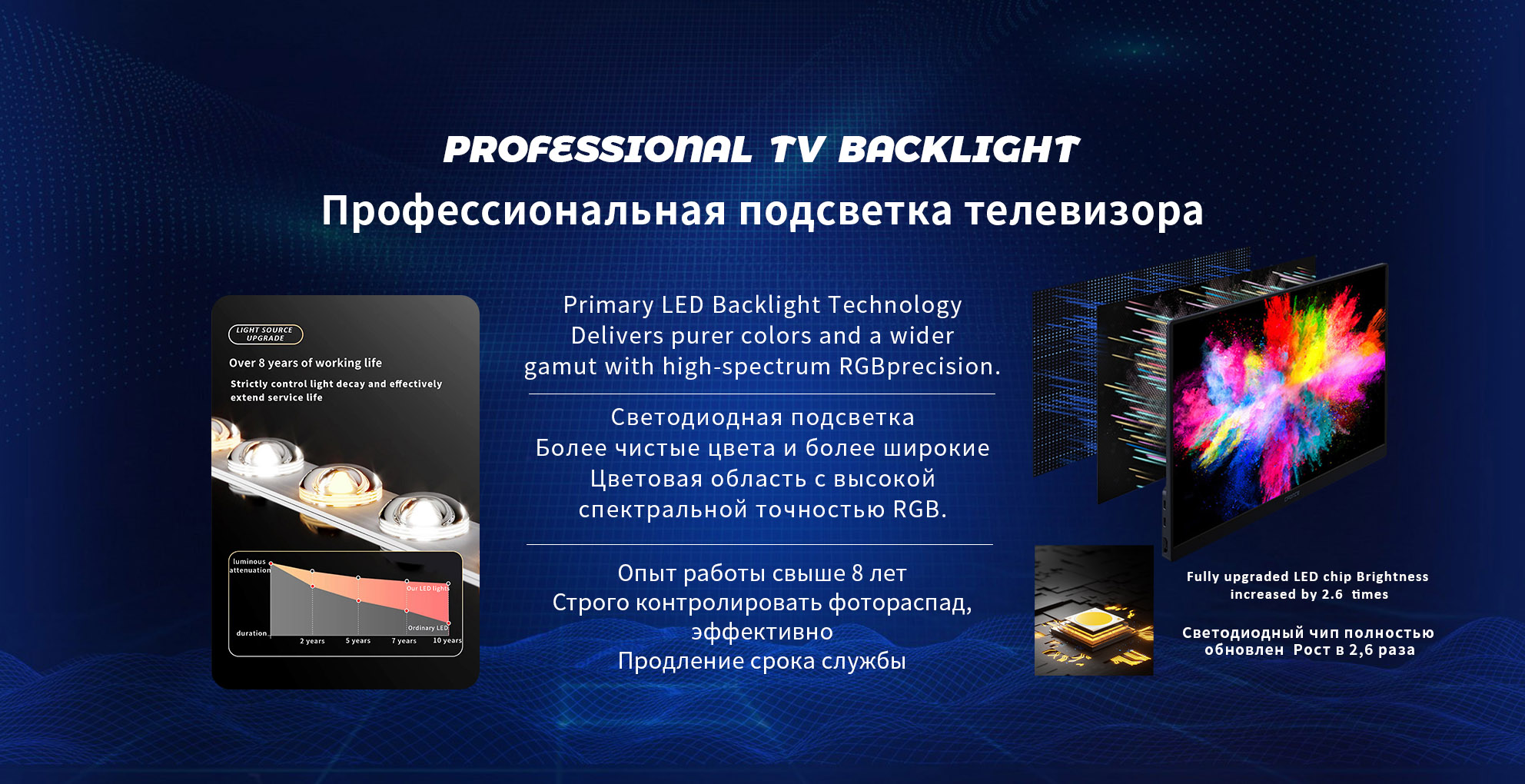
tv backlight strips are available in many sizes because LCD televisions use different panel structures, LED layouts, voltage platforms, and installation frames. The same screen size may still require different strip lengths, LED quantities, connector positions, or screw hole layouts. For spare parts purchasing, size selection should be based on the original strip code, panel model, physical dimensions, and electrical design, not only the TV inch size.
StarSharp supplies tv backlight strips across common repair sizes such as 32 inch, 43 inch, 50 inch, 55 inch, 65 inch, 75 inch, and other market sizes. The company also covers direct-lit strips, side-entry strips, commercial display backlight products, and universal repair strips, with more than 5,000 specifications and models available.
TV backlight strips are usually grouped by screen size first, then confirmed by exact strip specification. A 32-inch TV may use shorter strips with fewer LEDs, while a 65-inch or 75-inch TV may require longer strips, more strip sets, or a higher total LED count.
| TV Size Range | Common Use | Key Size Details To Check |
|---|
| 26 to 32 inch | Small TVs, compact displays | Short strip length, lower LED count, simple frame layout |
| 39 to 43 inch | Standard home TVs | Strip width, connector side, LED voltage |
| 50 to 55 inch | Popular repair sizes | Lens spacing, screw holes, multi-strip matching |
| 65 inch | Large living room TVs | Heat control, strip set quantity, diffuser matching |
| 75 inch and above | Large display repair | Long strip protection, stable brightness, accurate part code |
StarSharp has product categories covering smaller models such as 26 inch, mid-size models such as 39 inch, and large-size models such as 75 inch. This shows why buyers should treat size as a technical matching item rather than a simple inch label.
Why Inch Size Alone Is Not Enough
Screen size gives only the diagonal measurement of the TV. It does not confirm the internal strip length. Two TVs with the same inch size may use different backlight structures because of panel version, frame design, optical film stack, and power board configuration.
A correct led strip size should include strip length, width, LED count, distance between LEDs, connector location, and mounting hole position. If one detail is wrong, the strip may not fit the frame, or the screen may show dark areas after installation.
Direct-Lit And Edge-Lit Size Differences
Direct-lit TV backlight strips are installed behind the LCD panel. They usually use multiple strips placed across the rear frame. Their size selection depends on the number of strips, LED spacing, lens height, and reflector layout.
Edge-lit strips are installed along the side, top, or bottom edge of the panel. They are usually narrower and must match the light guide plate accurately. Even a small change in LED position may affect brightness distribution because the light enters from the side and spreads across the screen through optical layers.
Universal Strip Size Options
Universal strips are often used when repair teams need flexible stock for different models. Some universal strips can be cut according to marked positions, but they still need correct voltage and LED layout. StarSharp lists universal strip examples such as 9 LED 595 x 17 mm for 32-inch TV repair, which shows how length and width are part of the actual specification.
Universal models are useful for service channels that handle many repair cases, but they should not be treated as one-size-fits-all products. Cutting position, polarity, adhesive strength, and lens alignment still need to match the repair structure.
What We Check Before Supplying
As a manufacturer, we check more than the screen size before confirming backlight strip supply. Our team reviews original strip photos, part numbers, panel codes, strip dimensions, voltage information, LED quantity, and connector details. This helps reduce wrong matching and makes repeat orders easier to manage.
For large-volume orders, packaging is also important. Long strips can bend during transportation, and lenses may loosen if the inner packing is not stable. Clear labels, model separation, and reinforced cartons help repair centers and distributors identify parts quickly after receiving goods.
Practical Selection Advice
The safest way to confirm size is to remove the original strip and compare it with the replacement specification. Buyers should measure the full strip length, width, LED spacing, screw hole position, and connector direction. Voltage should also be checked because backlight strip voltage depends on LED package, series layout, screen size, and driver board design. StarSharp’s technical guide notes that a wrong voltage match may cause dim output, startup failure, uneven light, overheating, or shortened service life.
Final Thoughts
The answer to tv backlight strip sizes available is not a single list of inches. Sizes include screen category, strip length, width, LED count, lens spacing, connector layout, voltage platform, and installation structure.
For stable purchasing, the best method is to combine TV inch size with original part details. This makes backlight replacement more accurate, reduces repair delays, and helps spare parts buyers build a more reliable inventory system.