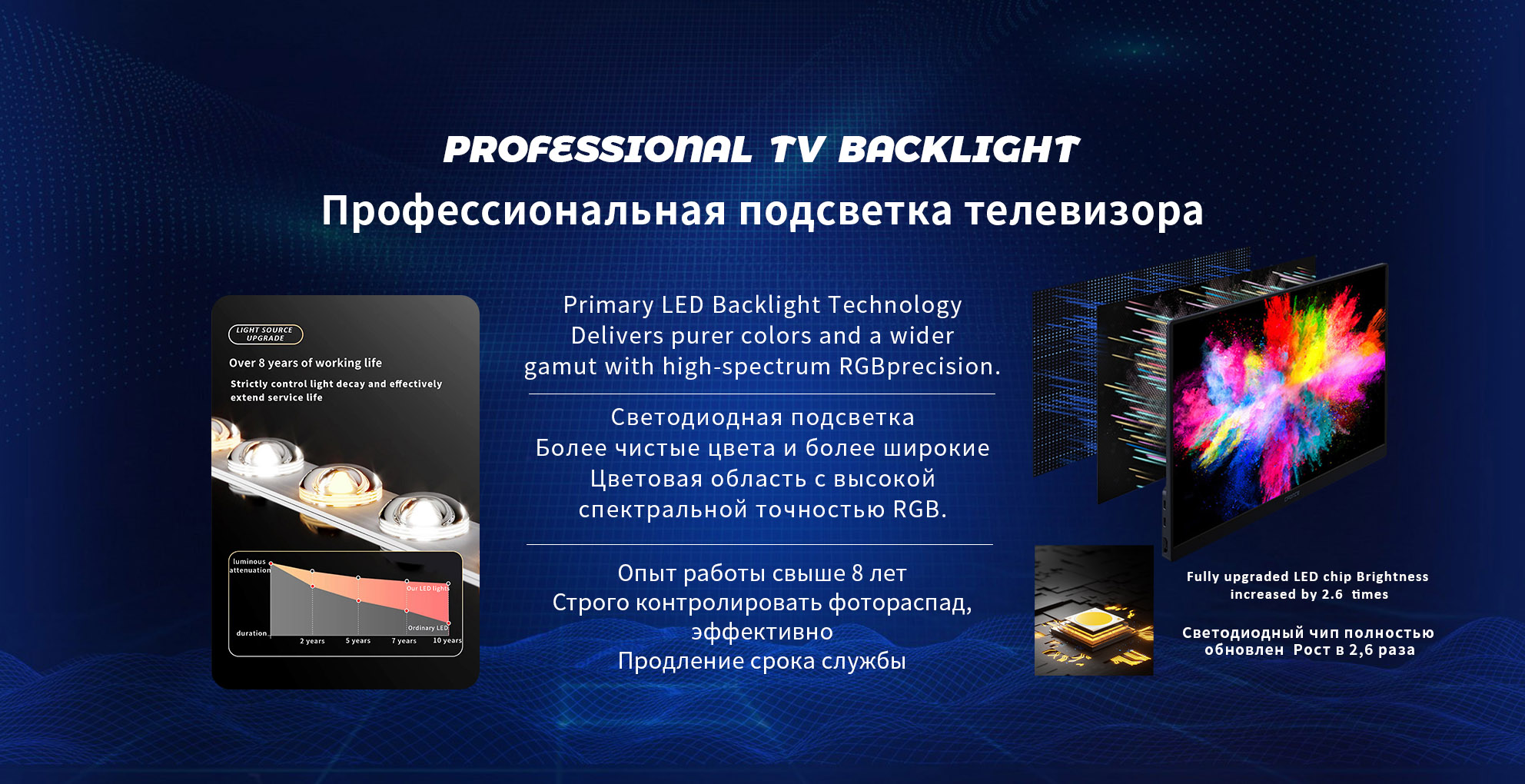
Stable TV spare parts supply starts with knowing which items move often, which models create repeat demand, and which parts need careful compatibility control. For repair companies, wholesalers, and service channels, inventory should not be built only by buying many models at once. A stronger method is to classify parts by failure frequency, screen size, panel structure, voltage, and replacement urgency.
backlight strips deserve special attention because many LCD TV repair cases involve dark screens, dim images, flickering, or uneven brightness. Repair guidance from iFixit lists backlight strip component failure and backlight lens failure as common causes of TV backlight issues, which explains why these parts are often kept in active stock.
1. Start With Fast-Moving Repair Categories
Before building a full stock system, separate parts into core, secondary, and special-order categories. Core parts are items with repeated demand, such as Led Backlight Strips for popular screen sizes. Secondary parts may include connector wires, optical sheets, and power-related accessories. Special-order parts are slow-moving models that should be confirmed after repair diagnosis.
Marketplace repair-parts data from 2023 to 2024 shows LED backlight strips often fall into a lower replacement cost range than full LCD panels, making them practical for repair stock planning. This cost difference is one reason service channels often keep backlight strips available instead of replacing complete screen modules.
| Inventory Level | Suggested Parts | Stock Logic |
|---|
| Core stock | Popular backlight strips | Keep regular quantity for repeated repair demand |
| Flexible stock | universal strips | Support urgent repair when exact model is unavailable |
| Matched stock | Model-specific strips | Use for stable repeat orders |
| Slow stock | Rare panel versions | Confirm demand before purchasing |
| Support stock | Wires and packing materials | Improve repair and delivery efficiency |
2. Build Stock Around Screen Size And Panel Code
Screen size is a useful starting point, but it is not enough. A 43-inch or 55-inch TV can have different backlight layouts depending on panel version, LED count, strip length, connector position, and voltage design.
A practical inventory system should record the TV size, original strip code, panel code, LED quantity, strip length, voltage, connector type, and photo reference. This makes matching faster and reduces wrong shipments. For companies selling to different repair channels, this detail also helps customer service teams answer model questions more accurately.
3. Keep universal Strips For Urgent Repair Needs
Universal LED backlight strips can help cover emergency repairs and mixed-model demand. They are especially useful when repair shops handle older TVs, uncommon panel versions, or small-batch local service cases.
However, universal strips should not replace model-specific inventory completely. They still need correct voltage, cutting position, polarity, and LED spacing. For high-volume repairs, exact-match strips are usually more stable because they fit the original frame and optical structure more closely.
4. Use Data-Based Inventory Management
Good inventory management means reviewing real sales and repair records every month. Track which sizes sell quickly, which models create returns, and which items stay in storage too long. Inventory that cannot be matched quickly becomes hidden cost, especially when packaging, warehouse space, and model updates are considered.
Useful tracking fields include monthly sales quantity, return rate, customer inquiry frequency, replacement reason, and reorder lead time. If one model sells steadily for three months, it should become planned stock. If one item has repeated mismatch issues, it should be reviewed before reordering.
5. Choose Supply That Supports Repeat Orders
For a distributor, stock reliability depends on stable supply, clear model labeling, and repeatable quality. StarSharp states that it has more than 5,000 product specifications, 10 automated production lines, and daily production capacity up to 100,000 strips, supporting broad model coverage and large-scale supply planning.
This matters because spare parts buyers often need the same model again after the first batch sells well. When a supplier can maintain consistent LED brightness, strip dimensions, lens position, connector quality, and packaging format, repeat orders become easier to manage.
6. Plan Safety Stock By Lead Time
Safety stock should be based on order cycle, shipping time, and repair urgency. Fast-moving 32-inch, 43-inch, 50-inch, and 55-inch backlight strips usually need higher buffer stock. Rare models can be ordered after confirmation to avoid overstock.
A simple method is to keep one reorder point for each core model. When stock drops below that point, the purchasing team can reorder before supply runs out. This keeps repair service stable without filling the warehouse with slow-moving parts.
Final Thoughts
A strong tv spare parts inventory strategy should combine repair demand, model accuracy, supplier capacity, and warehouse control. The goal is not to keep every possible part, but to keep the right parts ready for common repair needs.
By organizing stock around screen size, panel code, voltage, strip structure, and monthly movement, spare parts businesses can reduce wrong orders, improve delivery speed, and create a more reliable supply system for TV backlight repair.