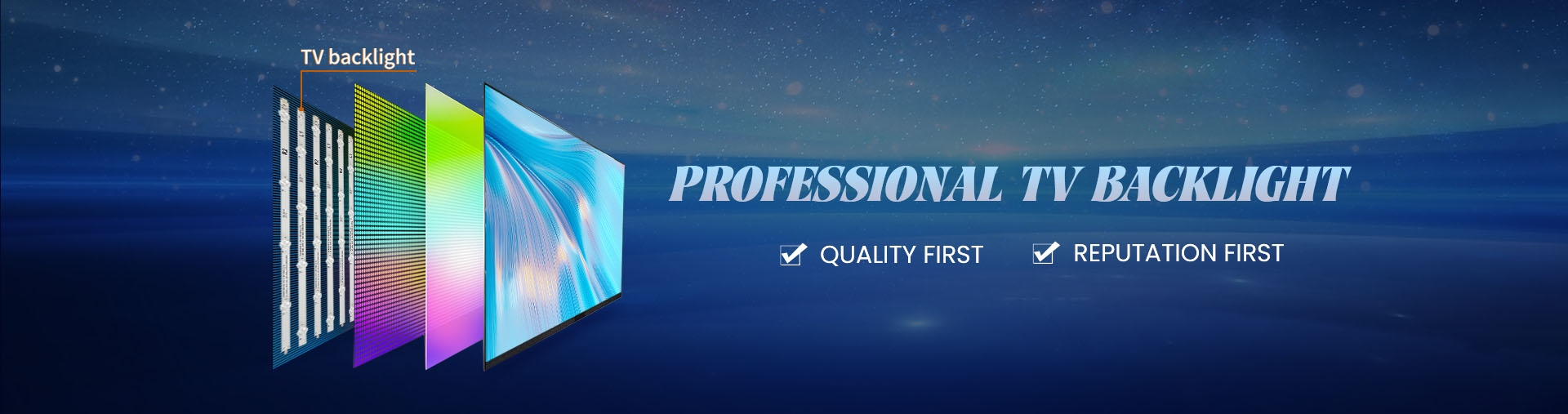
Different screen brightness after repair is usually not caused by one single LED. It often comes from voltage matching, LED binning, lens structure, PCB material, and current control. For repair shops and parts buyers, tv backlight brightness inconsistency can lead to customer complaints even when the strip can light up normally.
Brightness Is Not Only About Wattage
Many buyers compare replacement strips only by size and connector. This is risky. Two strips may look similar but use different LED chip bins. In LED industry practice, luminous flux tolerance is commonly controlled by binning groups, and small differences can still be visible on a large TV panel.
The term led brightness should be checked together with color temperature, forward voltage, current rating, and optical lens angle. A strip with higher brightness may also create hot spots if the lens height or spacing does not match the original design.
Driver Current Must Match The Strip
tv backlight drivers usually operate under constant current. When the replacement strip has a different forward voltage range, the driver may push LEDs outside the ideal working condition. This can cause uneven brightness, flashing, or early aging.
| Check Item | Why It Matters |
|---|
| LED forward voltage | Affects driver matching |
| Current rating | Controls brightness and heat |
| Lens angle | Affects light distribution |
| PCB thickness | Affects heat transfer |
| Connector position | Affects installation accuracy |
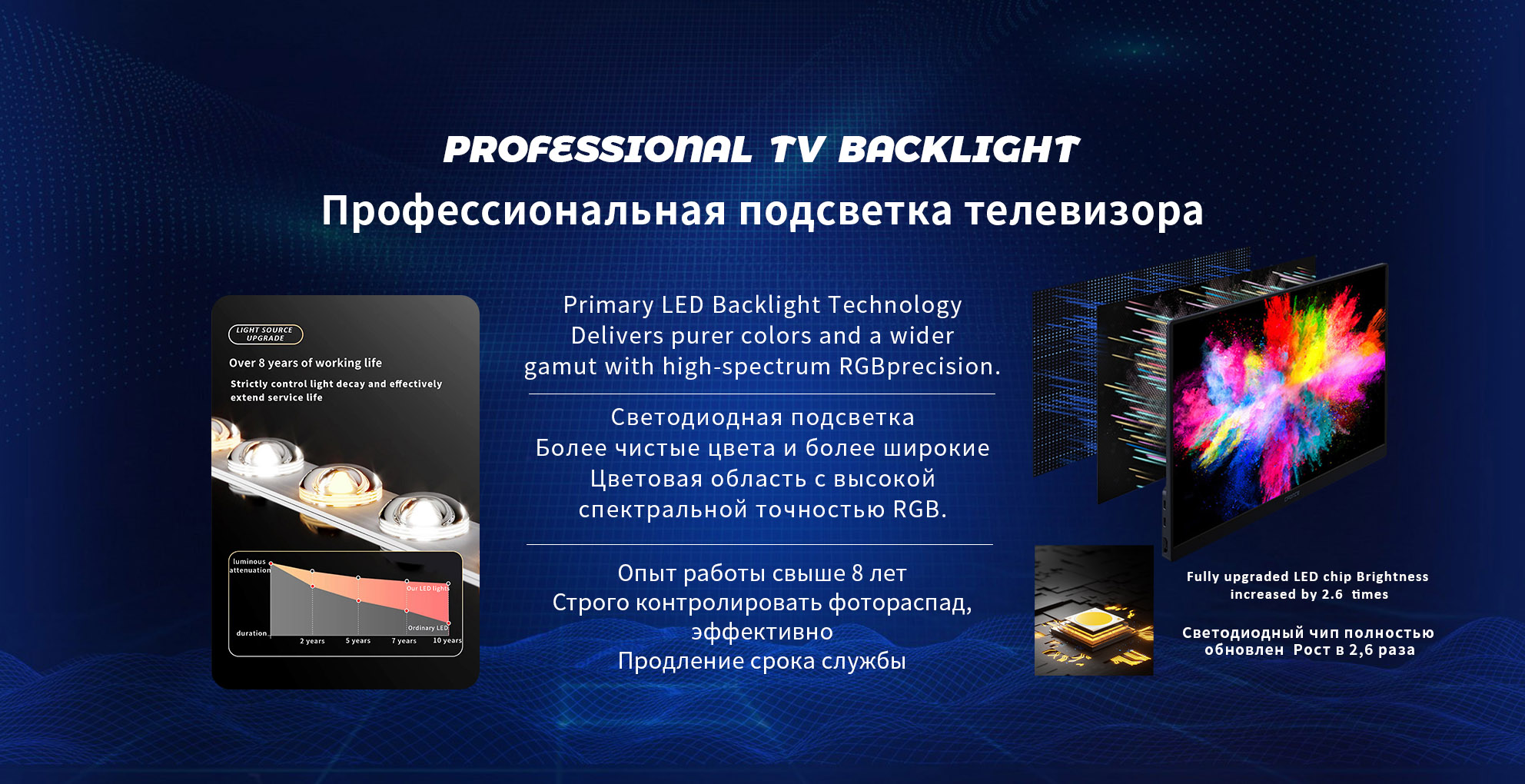
According to common LED reliability testing practice, high current operation increases junction temperature, and every rise in temperature can shorten LED service life. This is why brightness cannot be judged only by visual inspection.
Optical Lens Structure Changes The Result
Replacement strips with similar LED quantity may still show different screen brightness because of lens design. A lens with a wider angle spreads light more evenly, while a narrow lens creates stronger center brightness. For edge-lit and direct-lit TV structures, lens spacing and height must follow the panel cavity.
StarSharp checks LED layout, lens position, adhesive strength, and connector direction before production. For models with strict repair requirements, our team compares the original sample and adjusts strip layout to reduce visible unevenness.
Why Stable Supply Matters
When an oem supplier changes LED bead batches without control, brightness difference becomes more obvious in repeat orders. Repair distributors may receive one batch that works well and another batch that creates customer returns. This affects stock turnover and after-sales cost.
Stable replacement strip quality requires material records, LED bin control, aging test, and model matching. For wholesalers, consistent brightness across batches is more important than one-time low price.
Better Control Before Ordering
Before placing bulk orders, buyers should confirm TV model, panel code, strip length, LED quantity, voltage, connector, and lens type. A sample test under real TV driver conditions is more reliable than only lighting the strip with an external tester.
StarSharp supports model checking, sample comparison, and batch production for repair parts buyers who need stable led brightness and lower return risk.