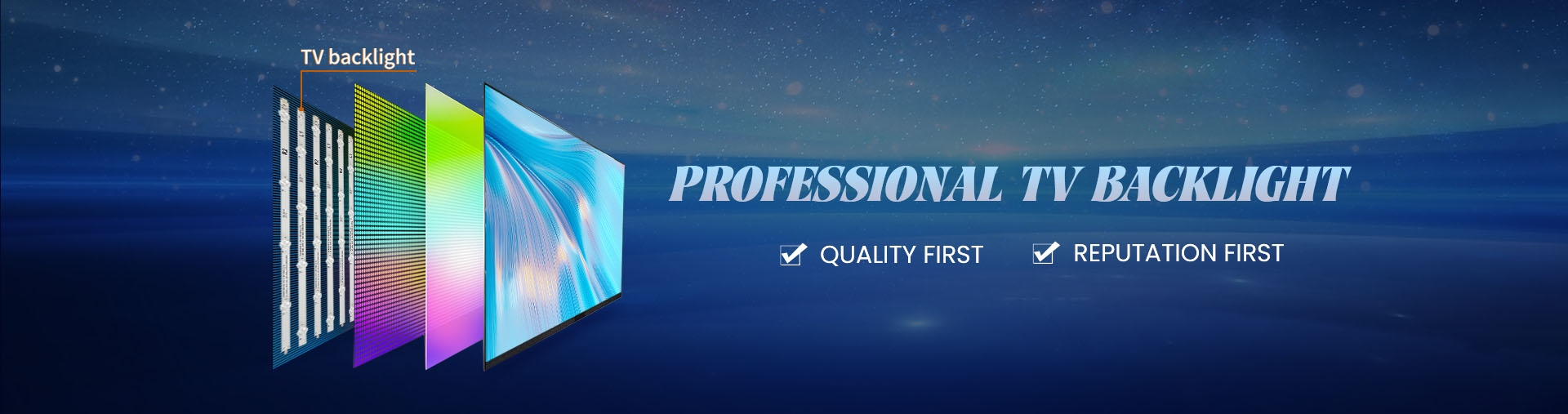
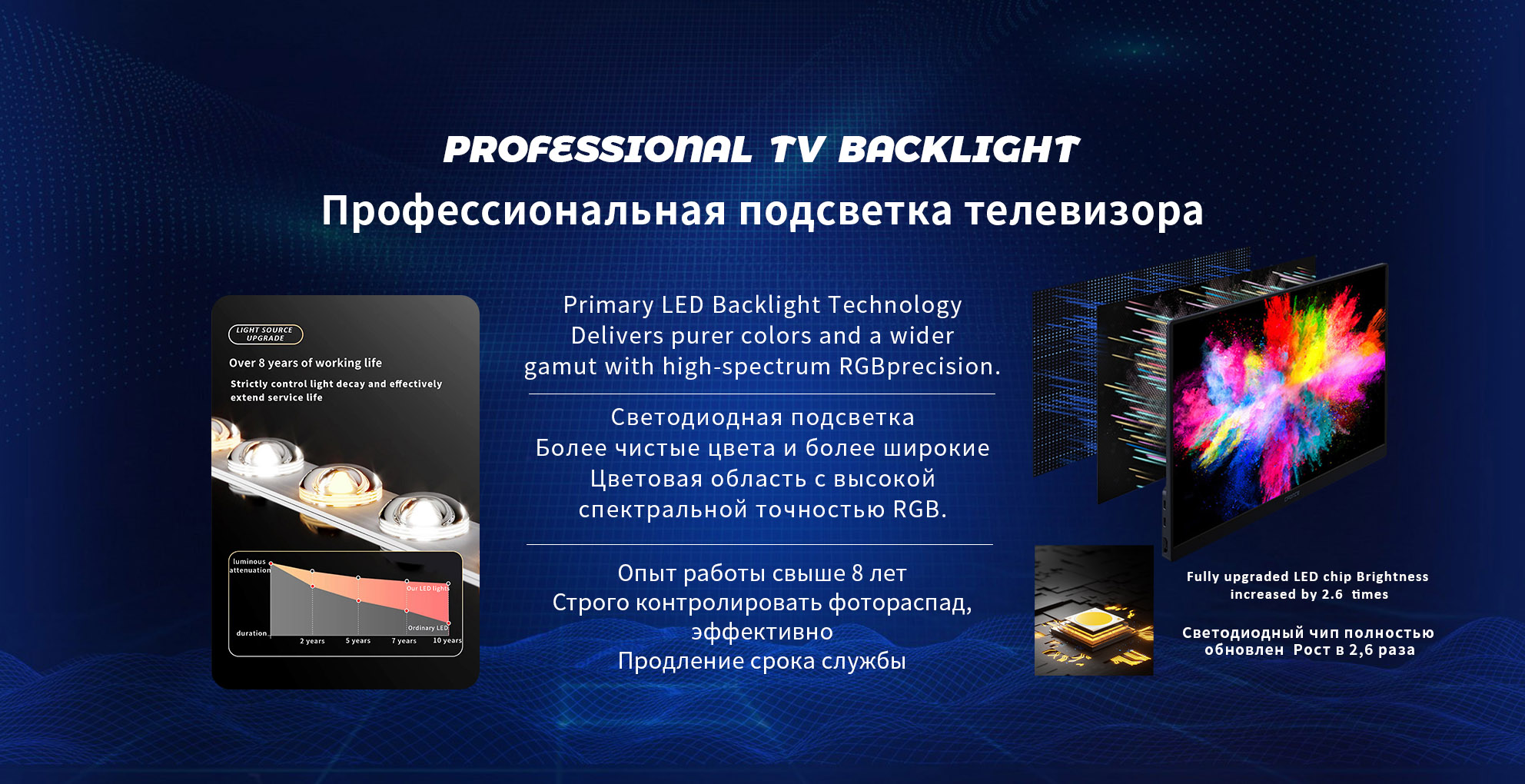
Customizing backlight strips is not simply changing length or connector. tv repair parts need accurate electrical matching, mechanical fitting, optical spacing, and stable batch production. For buyers who manage repair channels, a custom tv backlight strip solution can help cover models that are difficult to source from regular stock.
Start From The Original Sample
The safest custom process begins with the original strip or clear model data. Strip length, LED quantity, lens distance, screw holes, connector direction, PCB width, and voltage design must be checked together. A small change in screw hole position may cause installation delay, especially in narrow TV backlight cavities.
StarSharp usually reviews the TV model, panel code, strip photo, size drawing, and electrical parameters before confirming production. This reduces the risk of producing parts that can light up but cannot fit correctly.
Electrical Matching Comes First
Custom strips must work with the TV power board. LED forward voltage, current rating, and circuit grouping affect driver compatibility. According to LED module design practice, incorrect current matching can increase heat and reduce service life.
| Custom Item | Common Confirmation |
|---|
| Strip length | Match panel cavity |
| LED quantity | Match driver output |
| PCB material | Aluminum or FR4 |
| Connector | Position and pin direction |
| Lens | Angle and spacing |
| Adhesive | Heat resistance requirement |
Buyers should not only ask for custom led strips by size. The electrical layout behind the strip decides whether the part is stable after installation.
Optical Layout Affects Screen Uniformity
LED distance and lens angle decide the final light distribution. If the LED spacing is too wide, the panel may show dark zones. If the lens height is wrong, bright dots may appear after assembly. For direct-lit TVs, optical matching is especially important because the LEDs sit behind the diffusion plate.
Our team can adjust lens layout according to sample structure, available tooling, and repair market demand. For batch orders, we also keep production records so repeat orders can follow the same specification.
OEM Support For Repair Channels
An OEM manufacturer should help buyers reduce repeated communication during reorder. This includes model labeling, packing mark, batch code, voltage marking, and clear item list. For distributors, these details make warehouse sorting easier and reduce wrong shipment.
StarSharp has more than 5000 backlight strip models and annual sales volume above 26 million strips. This production base supports both existing model supply and customized repair strip development.
Practical Ordering Advice
Before confirming a custom order, buyers should test at least one working TV set when possible. External LED testers are useful, but they cannot fully replace real driver testing. Brightness, startup behavior, heat, and screen uniformity should be checked before mass production.
Custom development is most valuable when the repair market has steady demand, the original part is difficult to buy, or the existing replacement has quality complaints. StarSharp can support this process from sample review to bulk supply.