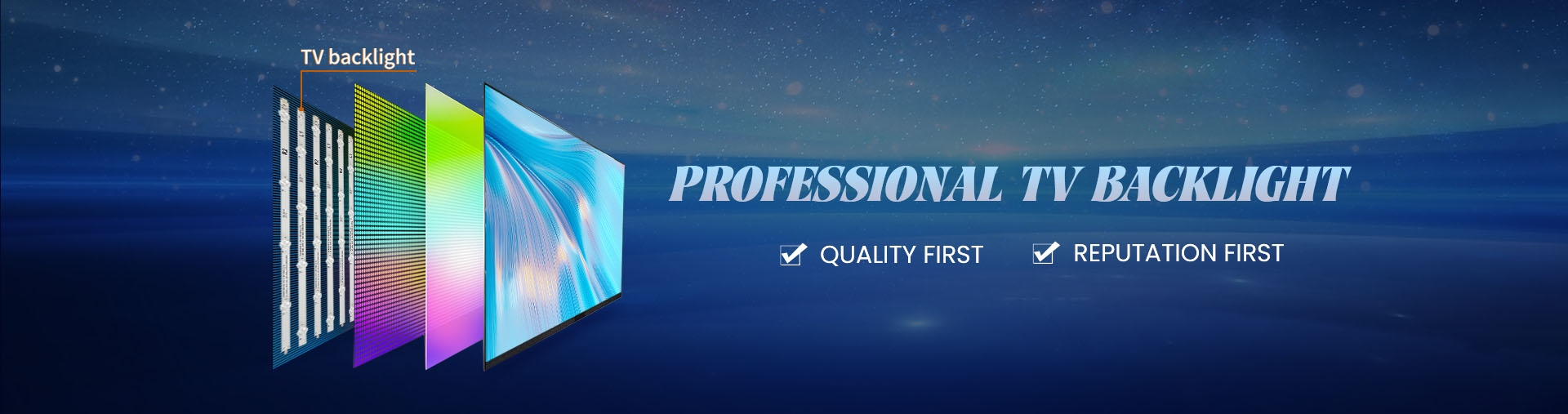
lg tv backlight strip replacement requires careful comparison of model code, panel structure, strip layout, and LED specification. Many repair teams meet the same problem: the strip can light during testing, but the screen still shows dark areas, bright spots, or uneven illumination after installation. This often happens because the lg backlight strip is close in appearance but not fully matched. Accurate lg tv backlight strip replacement sourcing helps reduce wasted labor, wrong-stock inventory, and avoidable after-sales complaints.
Start From the Original Strip Code
The fastest way to match LG tv backlight strips is to read the code printed on the old strip. This code usually contains useful information about the strip family, side direction, revision, or production version. When the code is not clear, the next best method is to provide photos of the full strip, connector side, LED lens layout, and TV panel label.
StarSharp supplies TV backlight strips across common repair sizes such as 32 inch, 43 inch, 50 inch, 55 inch, 65 inch, and 75 inch. A wide replacement range helps buyers handle mixed repair demand rather than sourcing each size from different channels.
Suggested Photo Set for Matching
Compare Structure Before Price
A low price is not useful if the replacement version is wrong. LG backlight strips can vary in length, lens angle, mounting hole position, current requirement, and left-right structure. Some models need a complete set replacement to balance brightness, especially when old strips have already aged.
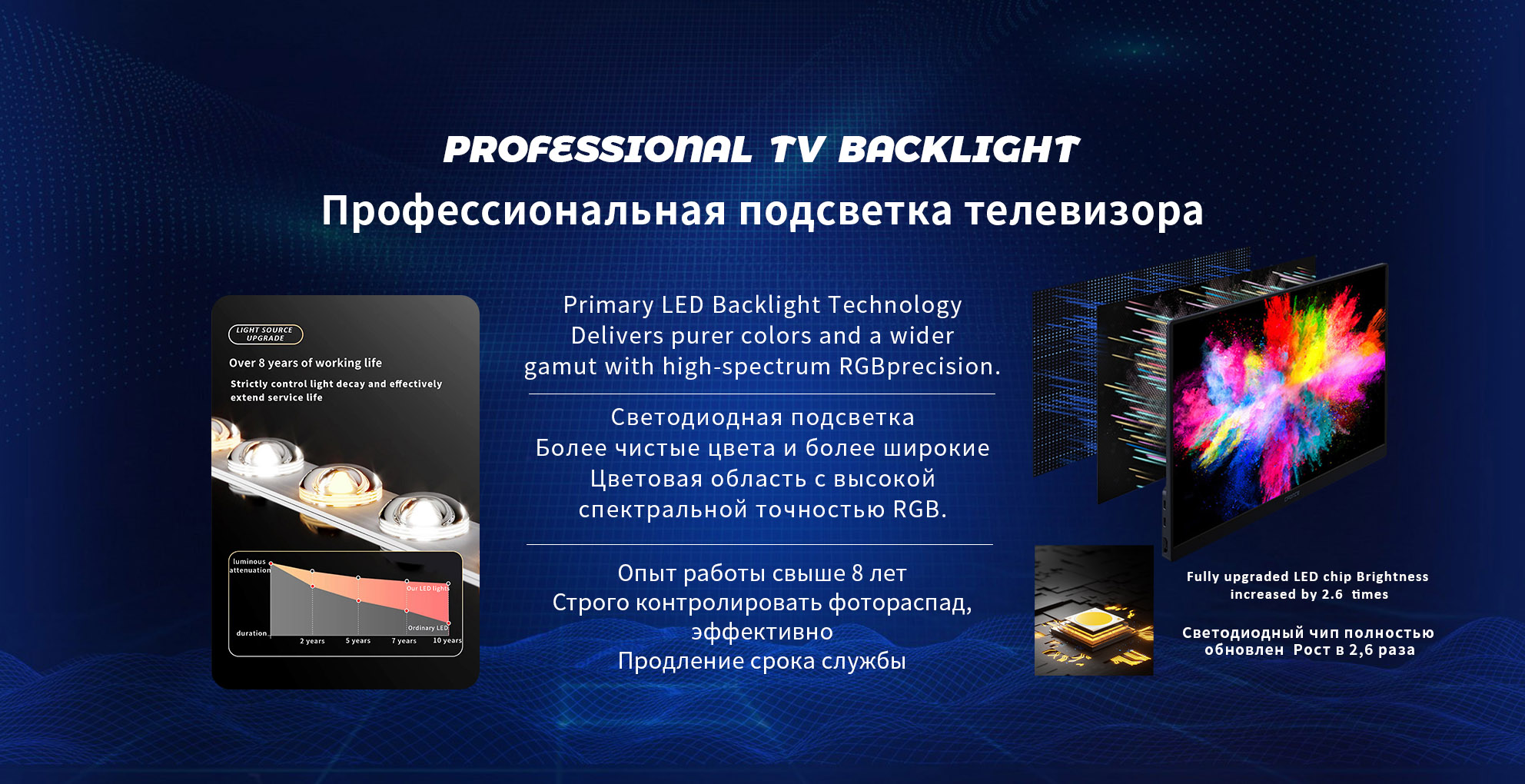
LEDs usually lose brightness gradually rather than failing only at the final moment. The L70 concept describes useful LED life when output drops to 70% of the original level, so mixing old and new strips can create visible brightness difference inside one screen.
What a Wholesale Supplier Should Confirm
A professional wholesale supplier should not only quote by TV size. The supplier should confirm the actual strip version and provide suitable packing for long-distance shipping. For distributors, the replacement kit must be easy to identify in storage and simple for repair staff to use.
| Matching Area | Correct Practice | Risk When Ignored |
|---|
| Strip code | Match printed code first | Wrong revision supplied |
| LED voltage | Confirm 3V or 6V design | Driver protection or failure |
| Lens layout | Compare spacing and shape | Bright spots after repair |
| Strip quantity | Supply complete set | Incomplete installation |
| Packaging | Anti-bending protection | Lens and strip damage |
Heat and Material Considerations
Backlight strip life is closely related to heat dissipation. Aluminum-based strips are common because the material helps transfer heat away from LEDs. Aluminum PCB industry references describe aluminum boards as having higher thermal conductivity than traditional PCB materials, with dielectric options commonly in the 1–2 W/mK range and higher-performance options available for special requirements.
Good heat transfer helps maintain brightness stability. Poor thermal design may cause early lumen decay, yellowing around lenses, or repeated failure after repair.
StarSharp Support for LG Backlight Matching
StarSharp has more than 10 years of TV backlight production experience and annual production and sales capacity above 26 million units, according to public company information. The company also supports more than 5,000 specifications and exports to over 60 countries, which is useful for buyers managing repeated model demand.
For LG TV backlight strip matching, send the original strip code and photos before confirming the order. StarSharp can assist with model comparison, sample checking, production arrangement, and repeat-order supply. This makes procurement more stable than buying only by screen size or rough appearance.