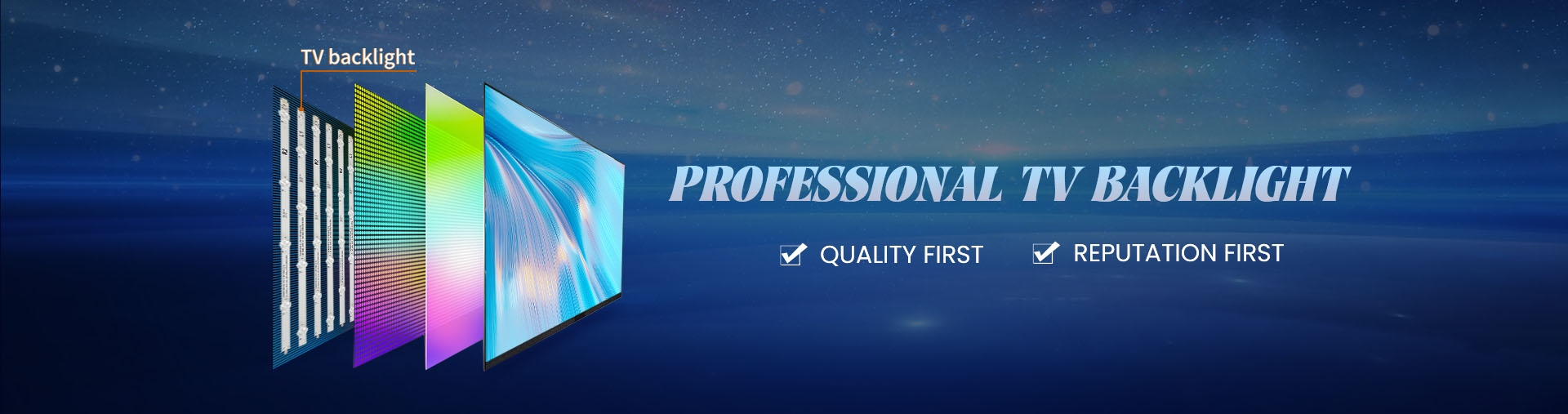
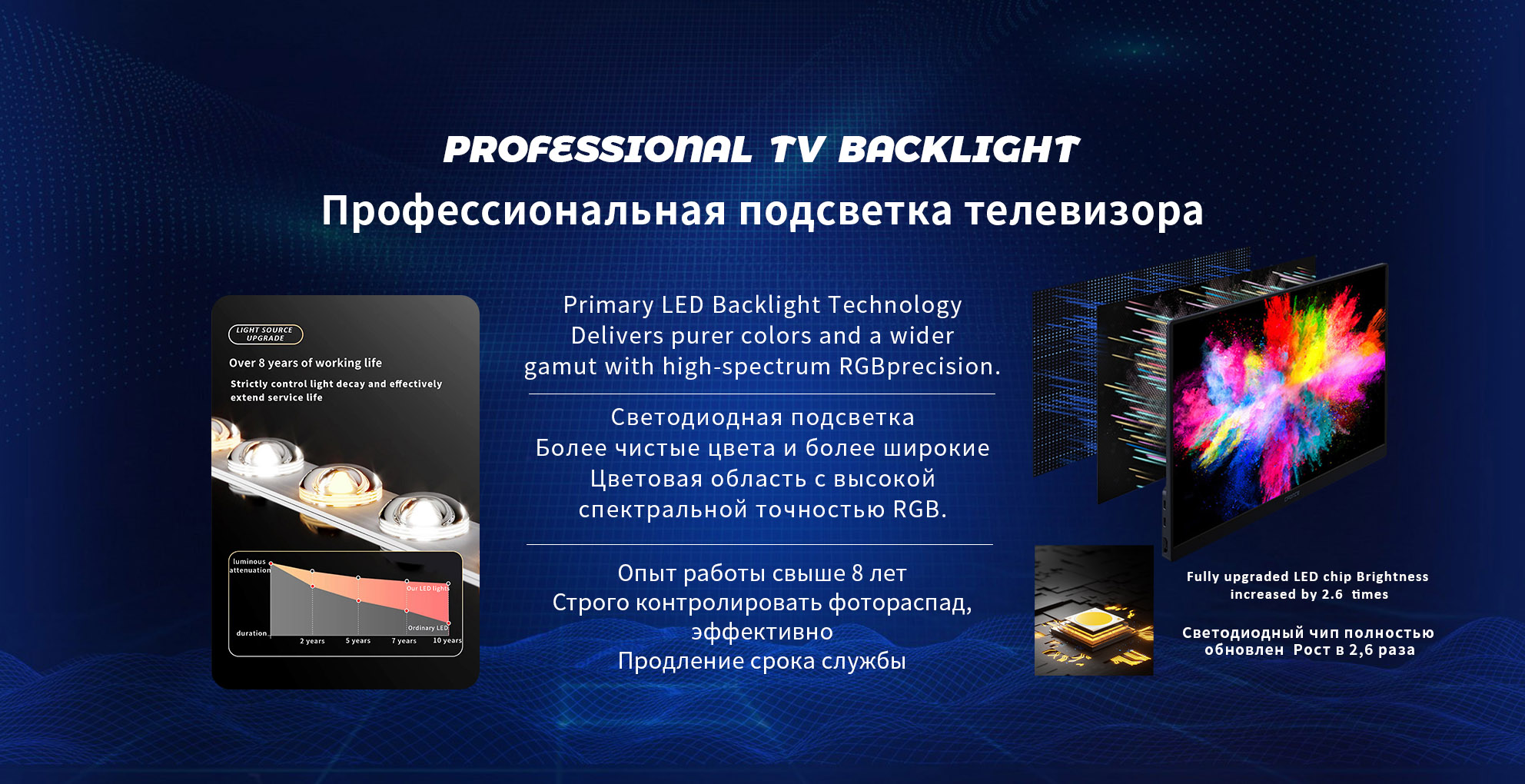
Led Backlight Strips are made from several functional materials working together, not only LED beads. The final repair result depends on light output, heat transfer, circuit stability, lens positioning, adhesive strength, and transport protection. Understanding led materials helps buyers evaluate quality before ordering, especially when the same TV size has several replacement versions. The materials of tv backlight strips usually include LED chips, aluminum or PCB substrate, copper circuit layer, optical lens, reflector material, solder, adhesive, connector, and protective packaging.
Main Material Layers
The LED bead provides light. The substrate carries the circuit and supports heat dissipation. The copper layer conducts current. The lens spreads light across the diffuser. The adhesive keeps the lens and strip structure stable. Each part affects the screen result after installation.
| Material | Function | Quality Point |
|---|
| LED bead | Produces light | Brightness bin and voltage |
| Aluminum base | Heat transfer and support | Flatness and thickness |
| Copper circuit | Electrical conduction | Stable soldering |
| Optical lens | Light distribution | Center alignment |
| Reflector sheet | Improves light use | Surface stability |
| Adhesive | Fixes lens and parts | Heat resistance |
| Connector | Links driver circuit | Pin direction and fit |
LED Beads and Brightness Consistency
LED beads must match in voltage, brightness range, and color performance. If one batch has unstable brightness, the finished screen can show uneven areas even when all strips turn on. For repair supply, consistency is often more important than maximum brightness.
Energy-efficiency references from the U.S. Department of Energy describe LED as an efficient and durable lighting technology compared with older lighting types. For TV backlights, this efficiency is useful only when the LED is matched with proper current control and heat management.
Substrate Material and Heat Control
Aluminum base is widely used in tv backlight strips because it supports both mechanical stability and heat transfer. Heat must move away from the LED bead to reduce brightness decay. Aluminum PCB industry data commonly lists aluminum board thickness from about 0.3 mm to 3.0 mm, with special versions available in higher thickness ranges.
A reliable oem manufacturer should evaluate substrate quality, surface condition, strip straightness, and thermal performance together. A strip that is too thin or easy to bend may cause installation difficulty and transport damage.
Optical Lens and Reflector Materials
The optical lens controls how light spreads inside the TV panel. Lens angle, height, glue position, and spacing must match the diffuser design. If the lens is off-center, the screen may show dots or halos. Reflector materials help redirect light and improve brightness use inside the panel.
StarSharp product information mentions process options such as reflector sheet and blue tape solutions, which are used to support light reflection efficiency and structural stability in backlight applications.
Compliance Matters for Electronic Parts
Backlight strips are electronic components, so material compliance can be important for overseas purchasing. The European Commission explains that RoHS rules restrict hazardous substances in electrical and electronic equipment to protect public health and the environment.
For buyers, RoHS-related control helps with supplier files, import preparation, and market documentation. StarSharp publicly lists ISO9001, RoHS, and patent certifications as part of its quality advantages.
Buying Recommendation
When purchasing LED backlight strips, do not evaluate material only by appearance. Confirm LED voltage, substrate material, strip thickness, lens bonding, connector type, reflector process, and packaging method. For bulk orders, sample testing should include power-on inspection, brightness observation, connector fitting, and bending protection.
StarSharp manufactures tv led backlight strips with attention to material matching, model coverage, and batch supply. Buyers can send original strip codes and photos to confirm the correct material structure before mass ordering.