High brightness Led Backlight Strip refers to a tv backlight strip designed to provide stronger light output while maintaining proper heat control, voltage matching, and optical uniformity. It is not simply a strip with brighter LED beads. A useful high brightness led solution must balance brightness, power load, lens distribution, thermal design, and long-term stability. For repair distributors and spare parts buyers, high brightness tv backlight strips are often needed when the original screen requires stronger illumination or when low-grade replacements cannot restore acceptable screen performance.
Brightness Must Match the TV System
A high brightness strip should not exceed the design limits of the TV driver board. If the current load is too high, the backlight circuit may enter protection mode or reduce service life. Correct brightness means suitable light output under the original electrical and optical structure.
LEDs are efficient light sources, but their performance still depends on design quality. The U.S. Department of Energy describes LED lighting as energy-efficient and durable, while also noting that quality affects final light performance.
What Makes a Strip High Brightness
High brightness performance comes from several combined factors:
Higher-quality LED beads with stable brightness bin
Correct LED voltage and current design
Efficient optical lens structure
Reflector support for better light use
Aluminum base for heat dissipation
Stable soldering and circuit control
Proper set matching for uniform screen output
A strip with only stronger LEDs but poor heat transfer may look bright during testing and fail early after installation.
Technical Factors Buyers Should Check
| Technical Item | What to Confirm | Purchasing Value |
|---|
| LED voltage | 3V or 6V design | Prevents electrical mismatch |
| LED quantity | Same as original strip | Keeps driver load stable |
| Lumen consistency | Similar brightness across batch | Reduces uneven screen risk |
| Lens type | Matches diffuser structure | Controls light distribution |
| Base material | Aluminum preferred for heat | Supports longer use |
| Strip code | Same or compatible version | Reduces wrong ordering |
Heat Management Behind High Brightness
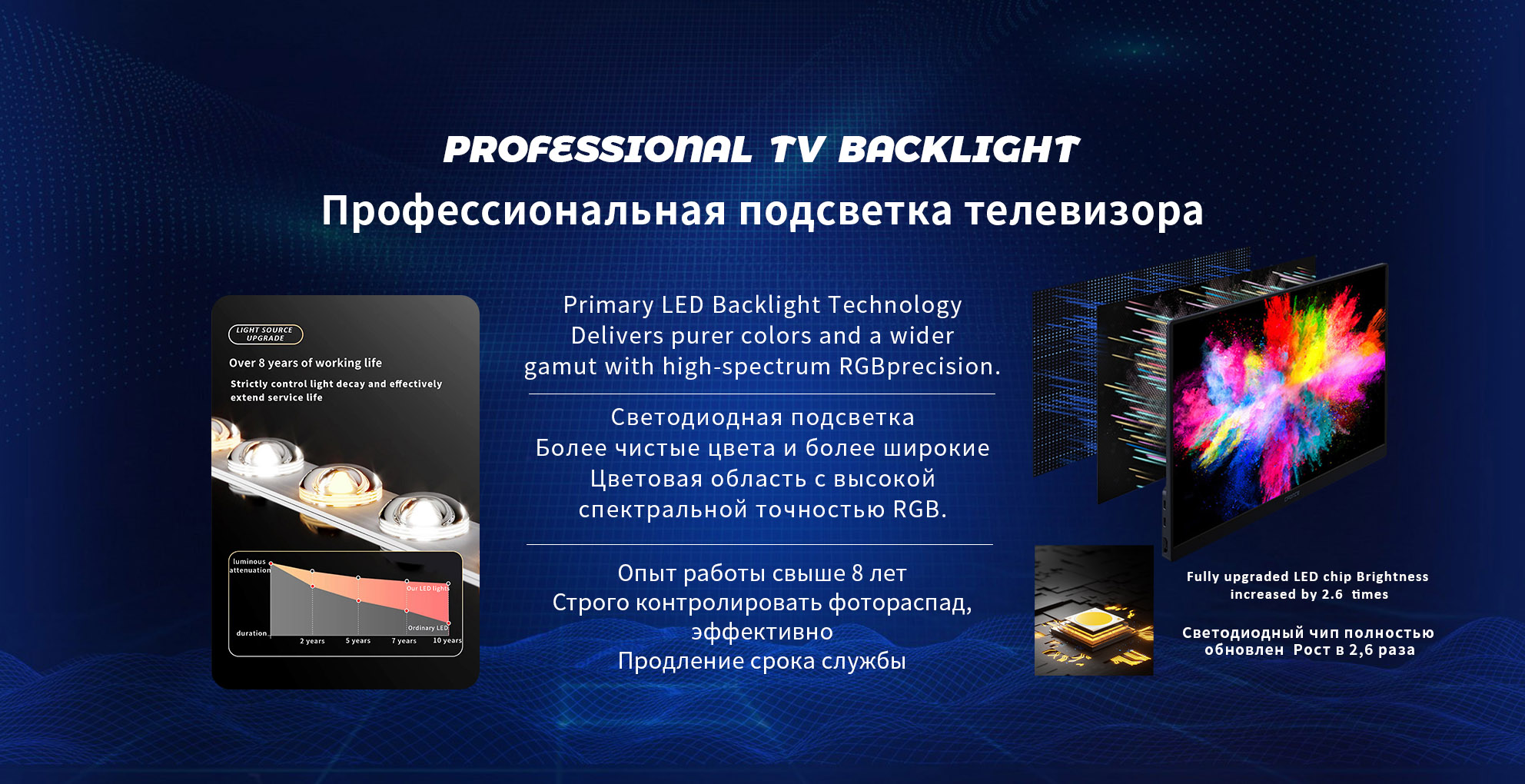
Higher brightness usually means more thermal pressure. Without good heat dissipation, the LED bead temperature rises and lumen depreciation becomes faster. L70 is commonly used in the LED industry to describe the useful life point when light output falls to 70% of the original brightness.
Aluminum base material is often used because it helps move heat away from the LED. Aluminum PCB references describe aluminum as having much higher thermal conductivity than many traditional PCB materials, making it suitable for LED applications where thermal management matters.
Why Bulk Orders Need Consistency
For a bulk supplier, high brightness supply is not only about one sample. The full batch must remain consistent in brightness, voltage, strip length, lens bonding, and packaging. If brightness varies between batches, repair quality becomes difficult to control.
StarSharp’s public information states that the company has over 5,000 product specifications, 10 automated production lines, and daily output up to 100,000 strips. This production scale helps support repeat orders and model-based supply planning.
High brightness strips may be suitable when the original model requires stronger light output, when old strips have aged heavily, or when the repair market demands brighter screen performance. However, they should still match the original TV model, panel code, LED voltage, and lens layout.
For procurement, avoid choosing high brightness only by visual comparison. Ask for strip code confirmation, sample testing, LED specification, heat dissipation structure, and packaging details. StarSharp can help confirm suitable high brightness LED backlight strip options based on original strip codes, TV models, and order quantities.