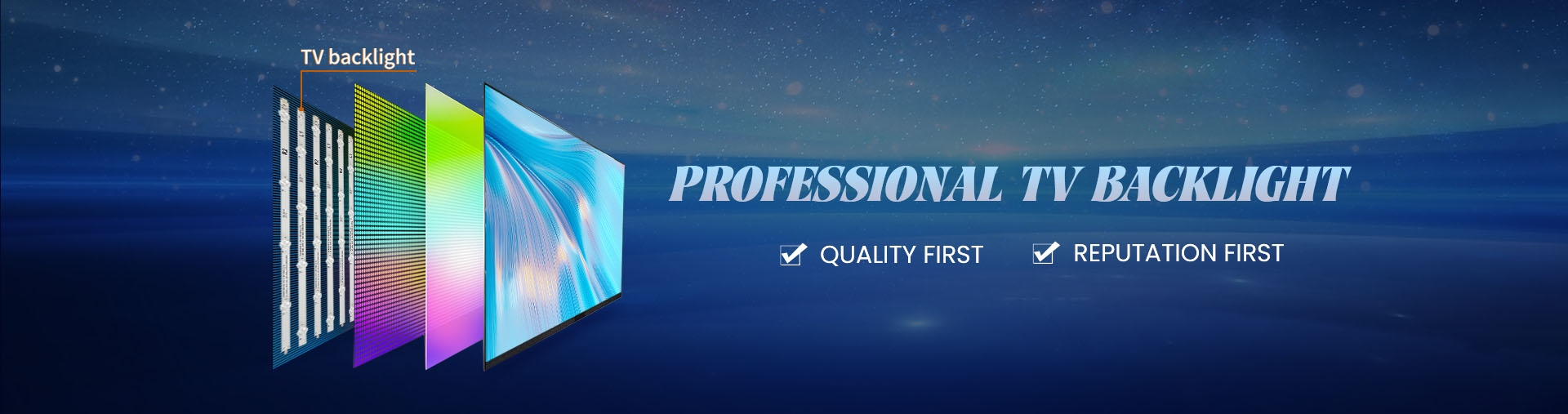
Stable shipment quality starts before the carton is sealed. For tv repair distributors, refurbishing workshops, and replacement parts buyers, led testing is not only a factory routine; it directly affects repair success rate, warranty pressure, and repeat purchasing confidence. When testing tv backlight strips before shipping, a qualified factory should check electrical performance, brightness consistency, lens bonding, strip appearance, connector direction, and packaging protection. A professional factory supplier should not rely only on random power-on checks, because a strip can light up during quick testing but still fail in installation due to wrong voltage, weak soldering, loose lens, or model mismatch.
Why Pre-Shipment Testing Matters
tv backlight strips are installed inside LCD panels, so the cost of a defective strip is not limited to the part itself. A failed strip may require panel reopening, diffuser sheet handling, technician labor, and customer waiting time. For repair chains and spare parts warehouses, every preventable defect increases hidden cost.
StarSharp’s public company information states that it has more than 5,000 specifications, 10 fully automatic backlight production lines, and daily output up to 100,000 strips, which makes systematic testing important for batch consistency rather than single-piece inspection only.
Electrical Testing Comes First
The first step is confirming whether the strip lights correctly under the required voltage and current range. Common checking includes open circuit, short circuit, abnormal current, unstable lighting, and connector polarity. If the LED voltage is wrong, the TV driver may enter protection mode or damage the new strip.
A good testing process should compare the product with the confirmed model specification, not only check whether it turns on. LED quantity, strip code, connector type, and set quantity must be verified together.
Brightness and Visual Inspection
After electrical checking, visual inspection is necessary. The operator should look for dim LEDs, color differences, unstable light points, lens deviation, glue overflow, dark marks, bent strips, and damaged connectors. A backlight strip may pass power testing but still create bright spots or dark zones after installation.
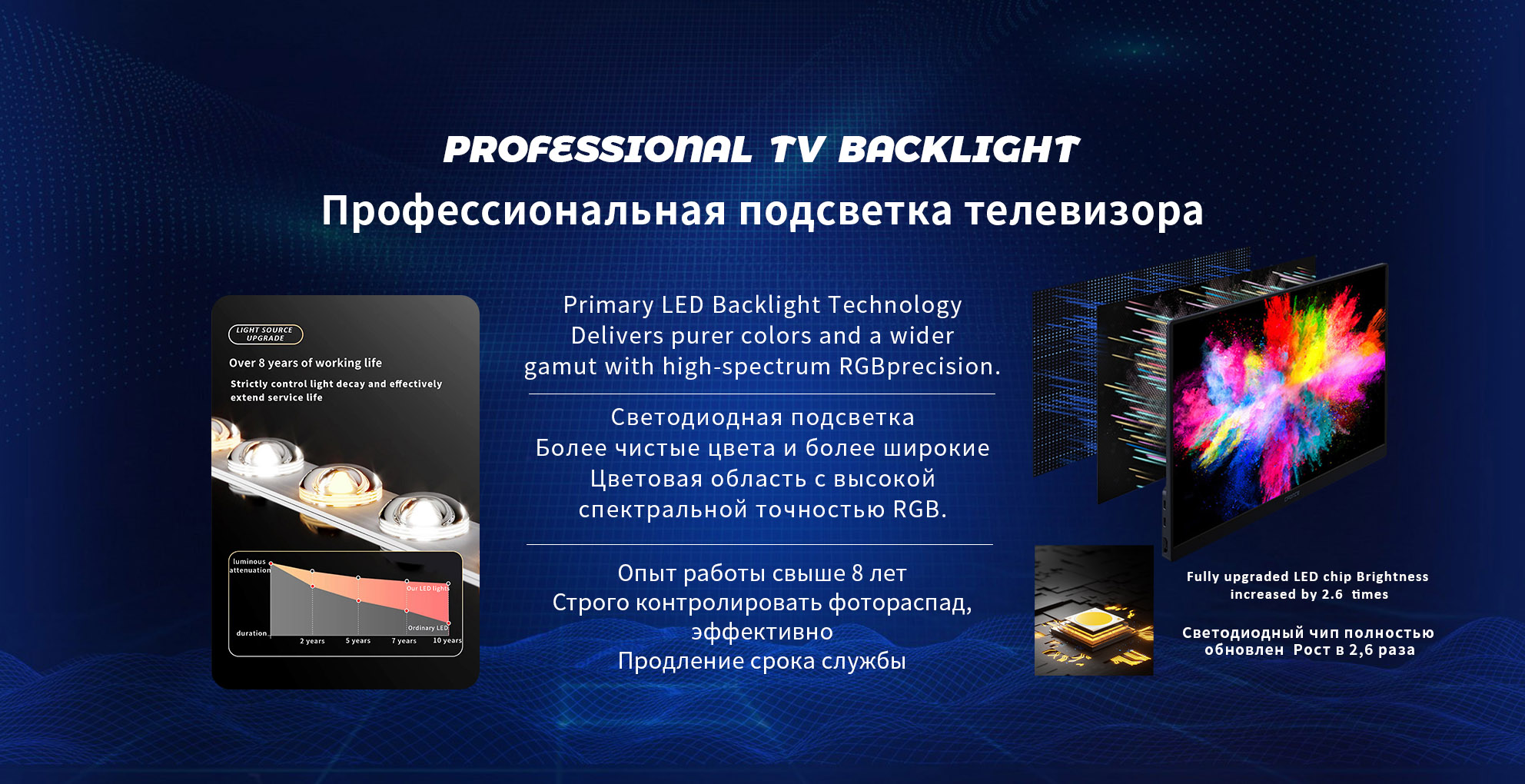
LED performance is commonly discussed through lumen maintenance. Industry explanations of L70 describe the point when LED output decreases to 70% of initial light output, which shows why brightness consistency and aging control matter for repair quality.
| Testing Item | Inspection Purpose | Risk Reduced |
|---|
| Voltage test | Confirms electrical matching | No-light failure |
| Current check | Finds abnormal load | Driver protection |
| LED lighting test | Checks visible output | Dark zones |
| Lens inspection | Confirms optical position | Bright spots |
| Connector check | Confirms installation fit | Wrong assembly |
| Strip straightness | Checks handling damage | Panel fit issue |
| Packaging review | Protects shipment | Broken lenses |
Lens Bonding and Mechanical Strength
Lens stability is often ignored, but it is one of the most common causes of bright spots after repair. During shipping, vibration or bending may weaken lens bonding if the glue process is poor. Therefore, lens position and bonding strength should be checked before packing.
For long strips, straightness is also important. A slightly bent aluminum strip can change the optical distance between LED lens and diffuser sheet, creating uneven brightness after assembly.
Compliance and Material Checking
Overseas buyers also need stable material control. RoHS rules restrict ten hazardous substances in electrical and electronic equipment, including lead, mercury, cadmium, hexavalent chromium, PBB, PBDE, and four phthalates, so material compliance is relevant for electronic spare parts supply.
StarSharp publicly highlights ISO9001, RoHS, and patent-related certifications in its company advantages, supporting procurement evaluation and supplier file preparation.
Packaging Test Before Shipment
Testing should not end after the strip lights up. Packaging must prevent bending, lens pressure, connector damage, and mixed-model confusion. Carton labels should show model code, quantity, and order information clearly. For mixed orders, separate inner labels reduce warehouse errors.
StarSharp supports batch testing, model labeling, and protective packaging for tv backlight strip orders. Buyers can send original strip codes, model photos, and order quantity lists before production, so each shipment can be checked against confirmed specifications before delivery.