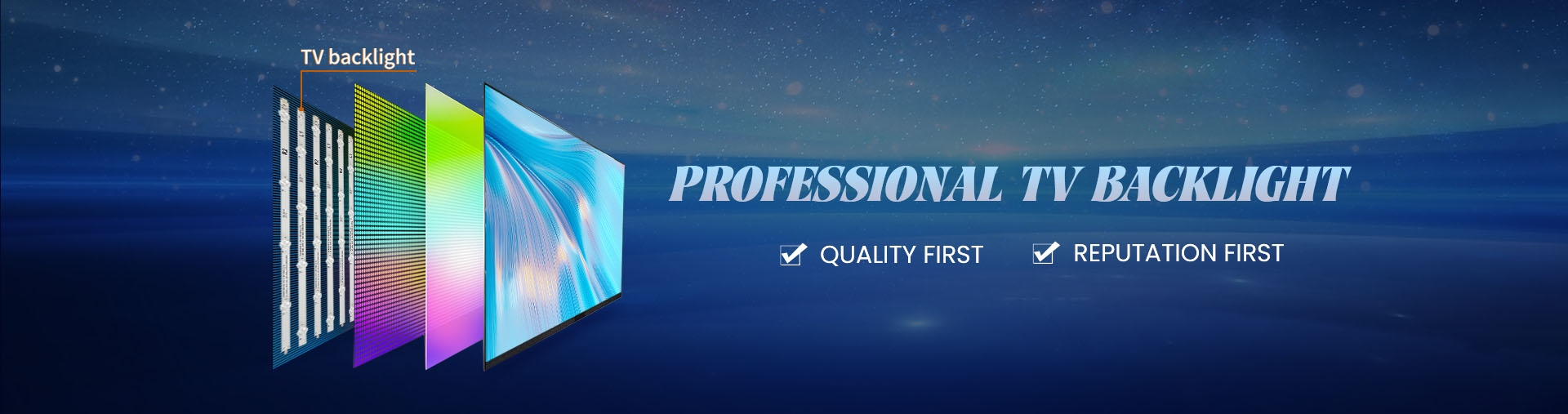
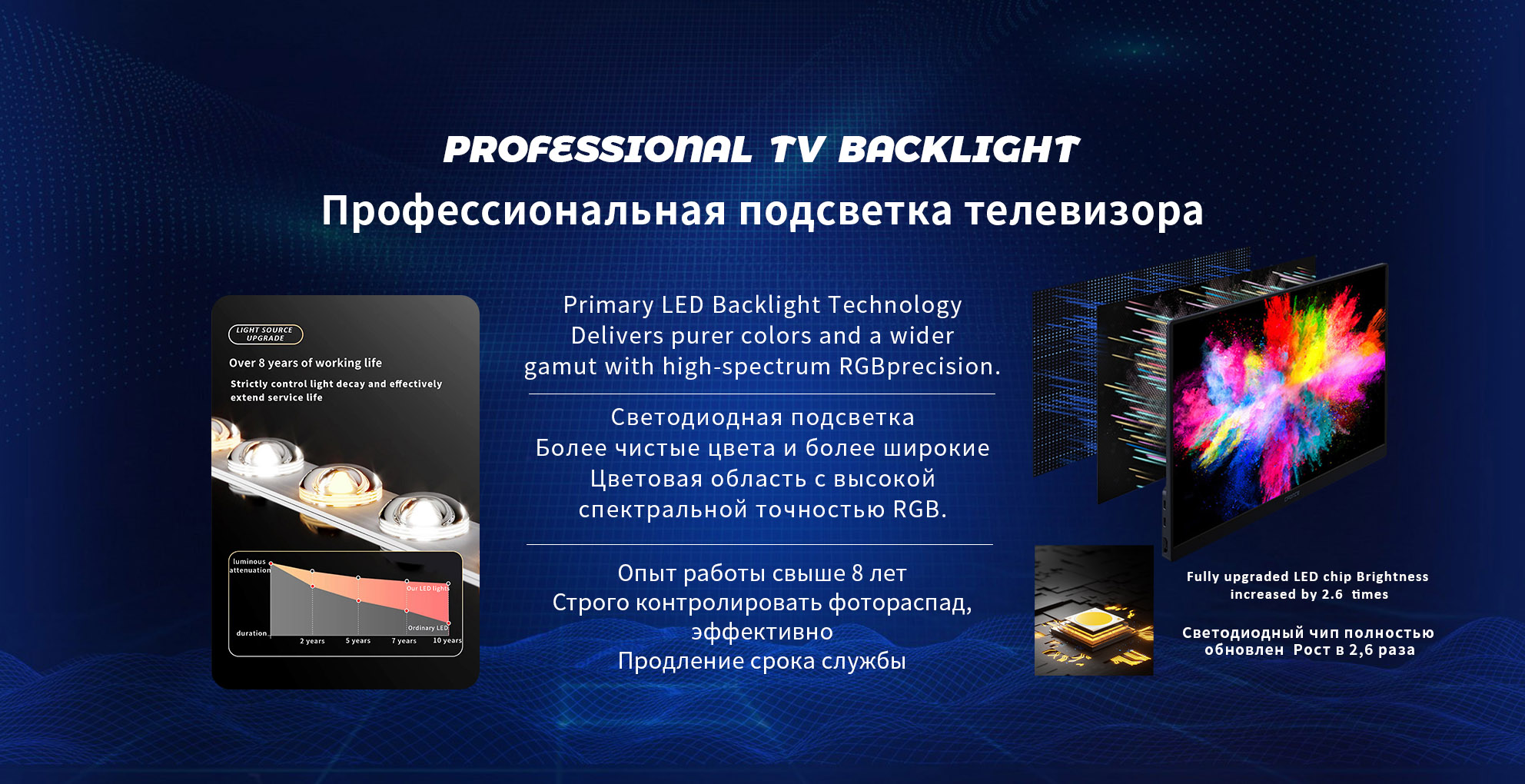
Flexible Led Backlight Strip is a backlight component built on a bendable substrate instead of a rigid aluminum base. It is used when the installation structure requires lighter weight, curved fitting, special routing, or compact assembly. For TV repair and display component sourcing, flexible led strip products can be useful in selected structures, but they must be evaluated carefully because flexibility changes heat dissipation, mounting method, and long-term stability. Understanding flexible tv backlight strip application helps buyers select the right product instead of replacing every rigid strip with a flexible alternative.
A flexible backlight strip usually uses a bendable circuit substrate, LED beads, copper circuit layer, solder points, adhesive backing, and sometimes optical lens or reflector support. Compared with rigid aluminum strips, the flexible structure is easier to route, but it may need better control of current, mounting contact, and heat transfer.
LED lighting is known for high efficiency and durability compared with older lighting technologies, but the final performance still depends on design, thermal path, and component quality. The U.S. Department of Energy explains that LED lighting performance varies by product design and quality, which also applies to backlight applications.
Main Applications
Flexible backlight strips are often used where rigid strips are difficult to install or where the display structure has limited internal space. They may appear in slim displays, curved lighting paths, narrow installation areas, signage modules, and certain repair solutions where adaptable routing is required.
Typical Use Cases
Slim display repair where space is limited
Curved or non-straight backlight routing
Commercial display lighting support
Special monitor repair structures
Universal repair kits for selected models
Prototype or customized backlight development
Difference Between Flexible and Rigid Strips
| Item | Flexible Strip | Rigid Aluminum Strip |
|---|
| Structure | Bendable circuit base | Solid aluminum base |
| Installation | Easier routing | Stronger fixed support |
| Heat control | Needs careful mounting | Better heat transfer |
| Mechanical strength | More sensitive to pulling | More stable shape |
| Application | Special layout or compact space | Standard TV backlight repair |
Heat Control Is the Key Concern
The main limitation of flexible strips is thermal management. Rigid aluminum base strips are often preferred in TV backlight systems because aluminum helps move heat away from LED beads. Aluminum PCB references describe aluminum boards as having better thermal behavior than many traditional PCB materials, making them suitable for LED applications where heat transfer matters.
Flexible strips may need a proper mounting surface to help release heat. If installed without enough thermal contact, LED brightness decay can accelerate, causing shorter repair value.
What a Supplier Should Confirm
A reliable supplier should not recommend flexible strips only because they are easier to fit. The correct choice depends on strip voltage, LED quantity, bending radius, adhesive method, brightness target, and installation temperature. For TV repair use, the replacement must still match the original driver circuit and optical structure.
StarSharp’s TV backlight range covers direct light strips, side-entry strips, commercial display backlight products, and universal repair strips, with more than 5,000 specifications and models available. This helps buyers compare whether a flexible or rigid solution is more suitable for the target display structure.
When Flexible Backlight Strips Make Sense
Flexible strips are suitable when the display design requires adaptability, but they are not the best answer for every TV model. For common direct-lit LCD TV repair, aluminum base strips may provide better shape stability and heat support. For special display layouts, flexible strips can reduce installation difficulty and support customized routing.
Before ordering, buyers should provide photos, original strip code, panel structure, installation space, LED voltage, and expected quantity. StarSharp can review the application and recommend whether a flexible tv backlight strip or a standard rigid replacement is more suitable.