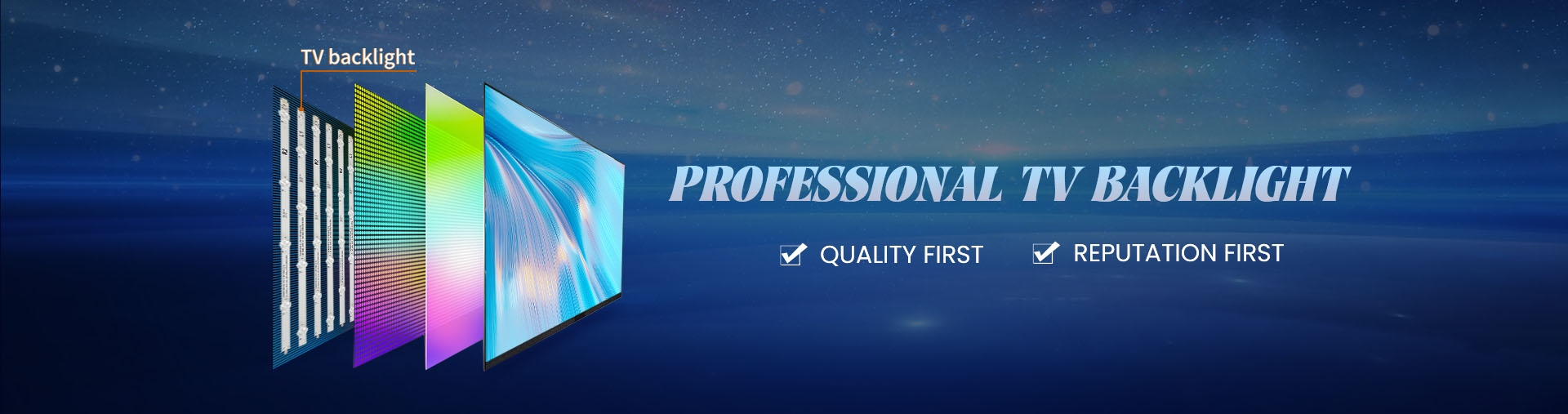
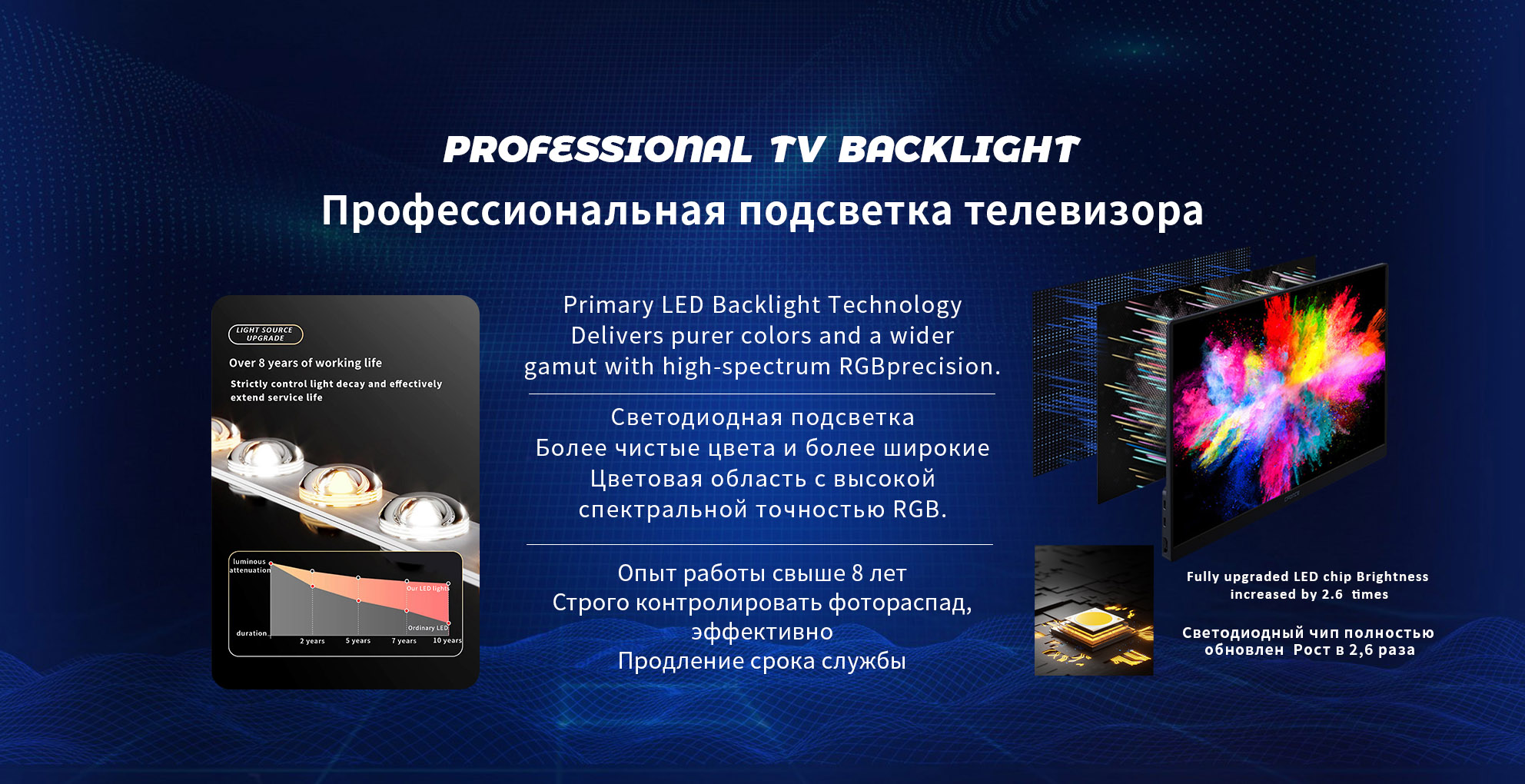
Custom Led Backlight Strip production is used when standard replacement parts cannot fully meet the target TV model, display structure, packaging requirement, or market supply plan. For repair distributors, refurbishing factories, and spare parts importers, custom backlight sourcing can solve problems such as discontinued models, special strip length, different connector direction, private labeling, or repeated bulk orders. Successful custom tv backlight strip production depends on accurate specification confirmation, controlled sampling, stable material selection, and repeatable batch manufacturing.
Start With Complete Technical Information
Customization should begin with the original strip and panel information. A TV backlight strip is not a simple LED bar; it must match the driver board, optical distance, diffuser structure, mounting holes, and connector position. Missing one detail may cause installation failure or uneven screen brightness.
StarSharp has more than 10 years of research, development, production, and sales experience in television backlight products, with annual production and sales capacity above 26 million units and more than 5,000 specifications and models.
Information Needed for Customization
Original strip code and clear strip photos
TV model and panel code
Strip length, width, and screw hole position
LED quantity and LED voltage
Connector type and wire direction
Lens size, lens spacing, and optical angle
Quantity per set and order volume
Packaging, labeling, and carton mark requirements
Confirm Electrical and Optical Design
The electrical design must match the TV driver. LED voltage, current load, and circuit grouping should not be changed casually. A strip that is too bright or incorrectly grouped may trigger protection mode or create early failure.
Optical design is equally important. Lens spacing, reflector structure, and LED position affect screen uniformity. If customization changes the LED pitch or lens type, sample testing should include installed panel observation instead of only a power-on test.
Customization Options
| Custom Item | Purpose | Buyer Benefit |
|---|
| Strip length | Fit special panel size | Easier installation |
| LED quantity | Match driver design | Stable power load |
| Connector direction | Match TV layout | Less rework |
| Lens structure | Improve light distribution | Better uniformity |
| Labeling | Organize inventory | Faster warehouse sorting |
| Packaging | Protect shipment | Lower damage rate |
| Carton mark | Support distribution | Clearer logistics control |
Sampling Before Mass Production
Sampling is the most important step in customization. The sample should be checked for size, voltage, brightness, lens bonding, connector fit, mounting hole position, and screen performance. After sample confirmation, the approved specification should be recorded for batch production.
A qualified OEM supplier should keep specification records so repeat orders remain consistent. Without records, the next shipment may have small differences that create installation or brightness problems.
Quality and Compliance Control
ISO 9001 is a widely used quality management system standard focused on process control, operation, performance evaluation, and continual improvement. For custom orders, this process-based thinking is useful because every production step must follow the approved specification.
For electronic parts, RoHS-related control is also important in many markets. RoHS restricts hazardous substances in electrical and electronic equipment, which helps buyers prepare supplier files and import documentation.
StarSharp Custom Backlight Support
StarSharp operates fully automatic backlight production lines and supports daily output up to 100,000 strips, according to public company information. This production capacity supports both sample development and repeated batch supply after specification approval.
For customized LED backlight strips, buyers can provide the original strip, model list, technical drawings, or clear photos. StarSharp can assist with matching, sample preparation, production checking, labeling, and packaging planning. A structured customization process helps reduce wrong-version orders and supports long-term spare parts supply.