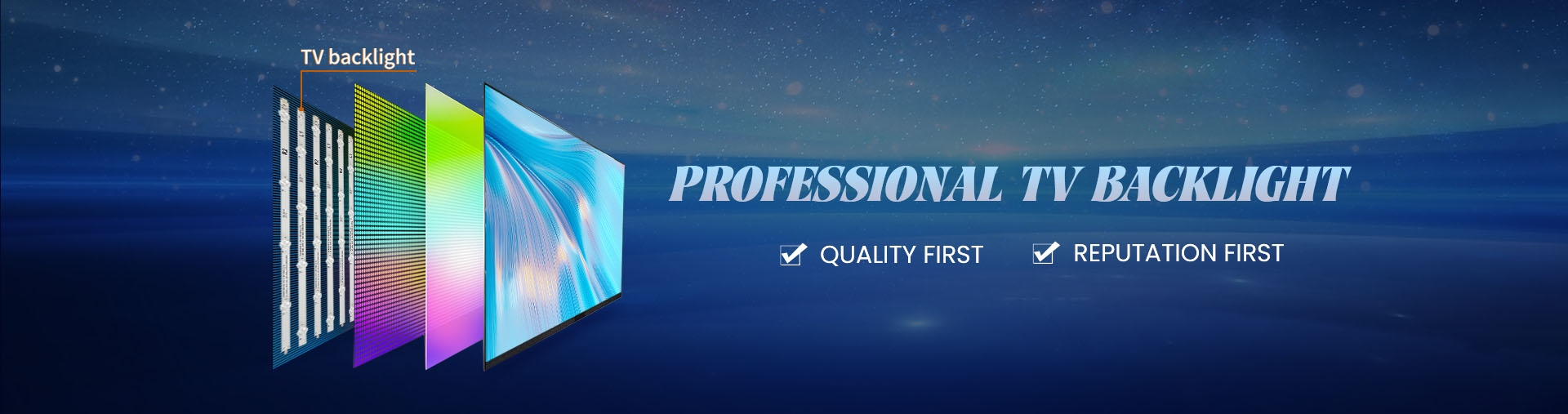
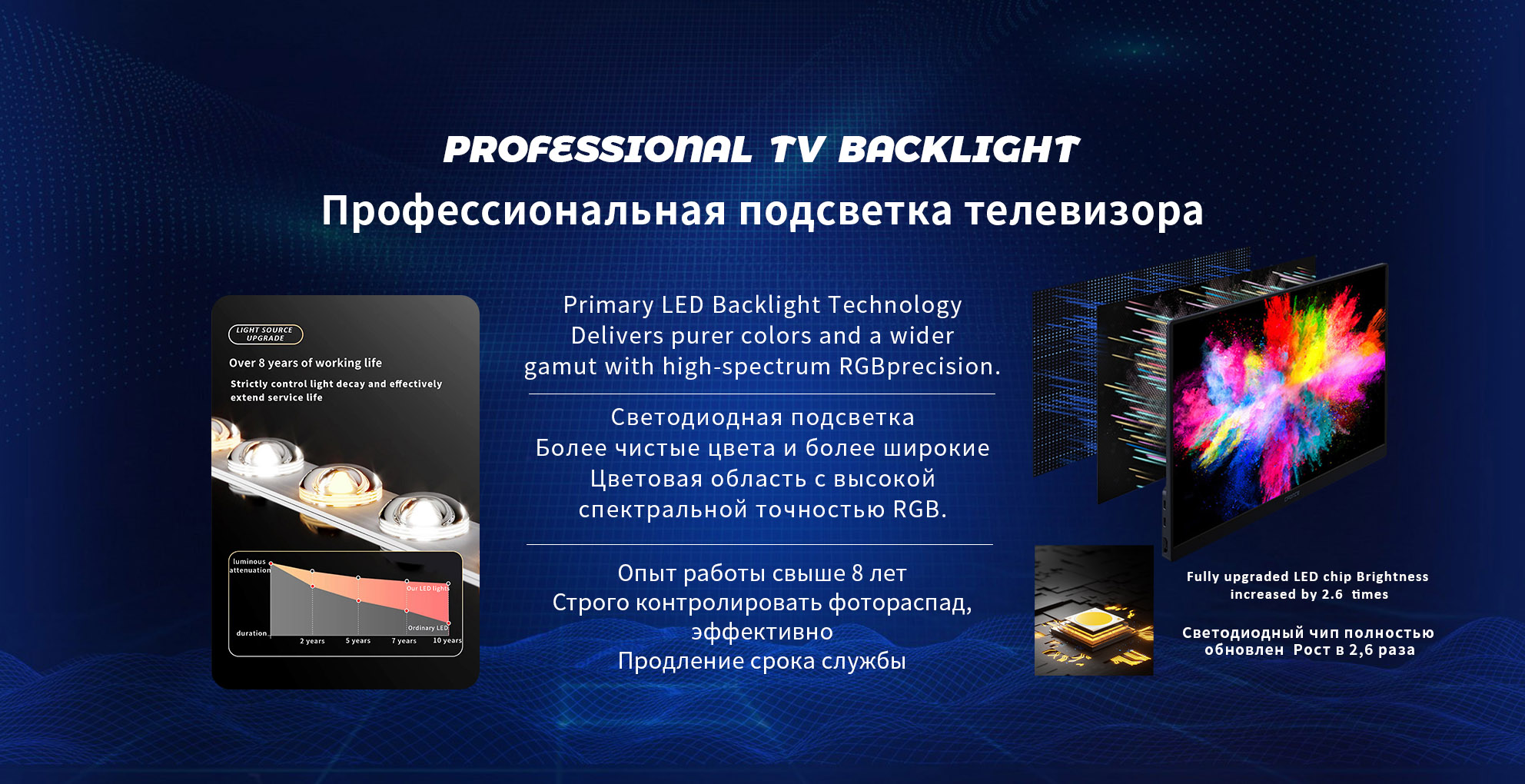
Correctly identifying a tv backlight strip requires more information than screen size or overall appearance. Similar televisions can contain different panels and backlight assemblies, while visually similar strips may use different voltages, LED quantities or mounting positions. The most reliable method is to combine the printed strip reference with physical dimensions and electrical characteristics before placing an order.
Start With the Code Printed on the Original Strip
The original PCB normally contains numbers, revision information or other identification markings. Clear photographs of these markings provide a useful starting point when searching for a replacement.
Do not rely on only one number when several codes appear. Providing a full image of the PCB allows the factory to compare markings with the LED arrangement and strip structure.
The television model and panel information can also be submitted as supporting references.
Check the Physical Layout
To identify tv backlight strip specifications accurately, compare the actual construction of the original component.
Important physical details include:
Total PCB length and width
Number of LEDs
Distance between LEDs
Lens shape and diameter
Mounting-hole positions
Connector position and structure
Number of strips in one set
Left, right or A and B configurations
Small structural differences can determine whether a replacement installs correctly.
Electrical Matching Is Equally Important
Physical fit does not guarantee electrical compatibility. LED voltage and the circuit arrangement need to correspond with the intended backlight system.
Using a strip with an incorrect electrical configuration can result in improper operation even when its PCB dimensions appear correct. LED quantity alone also cannot determine voltage because different circuit designs are possible.
For this reason, purchasing information should combine physical identification with known electrical or product-reference data.
Why Is Screen Size Not Enough?
A 43-inch or 55-inch television description identifies only the approximate panel category. Multiple backlight designs may exist within that size.
Panel revisions can introduce different PCB references, numbers of LEDs or connectors. Regional and production revisions may also create variations.
Searching only by screen size therefore increases the chance of receiving a visually similar but incompatible replacement.
What Should You Send to the Supplier?
A strong identification request contains several independent references:
TV model
Provides the basic equipment reference.
Panel code
Helps narrow the display configuration.
PCB markings
Provides the most direct strip-related reference.
Clear photographs
Show LED, lens, connector and mounting layouts.
Measurements
Help distinguish similar revisions.
Confirm Before Moving to Bulk Quantities
When a reference remains uncertain, sample verification provides additional protection before purchasing larger quantities. Installation fit and operating characteristics can be checked against the original assembly.
A replacement backlight strip supplier can match products more effectively when complete identification information is available at the beginning of the inquiry. This approach reduces wrong-model inventory, unnecessary returns and repeated compatibility checks, while creating a reliable reference that can be reused for future replenishment orders.