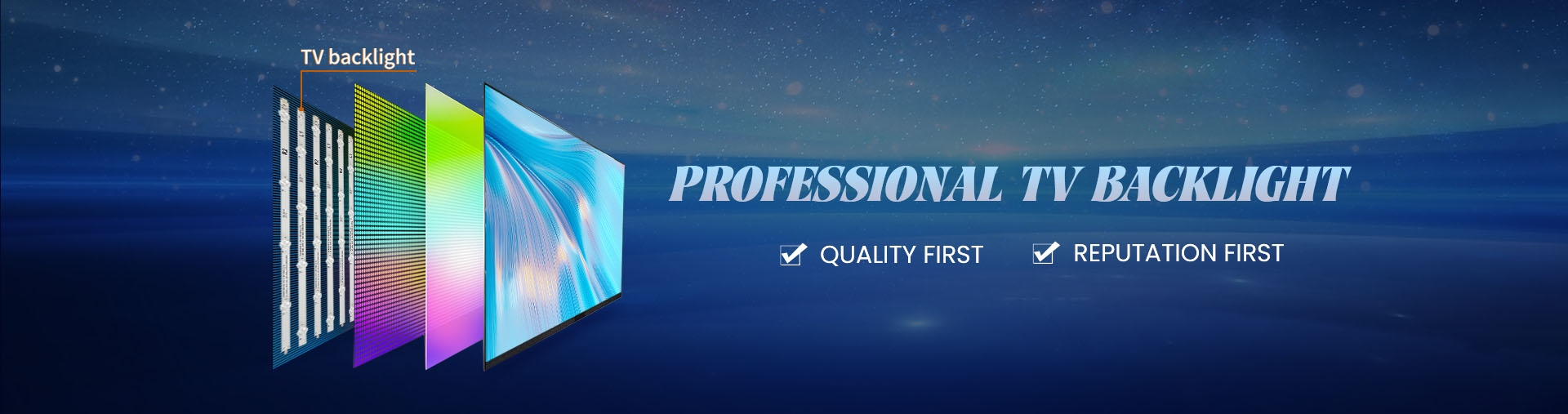
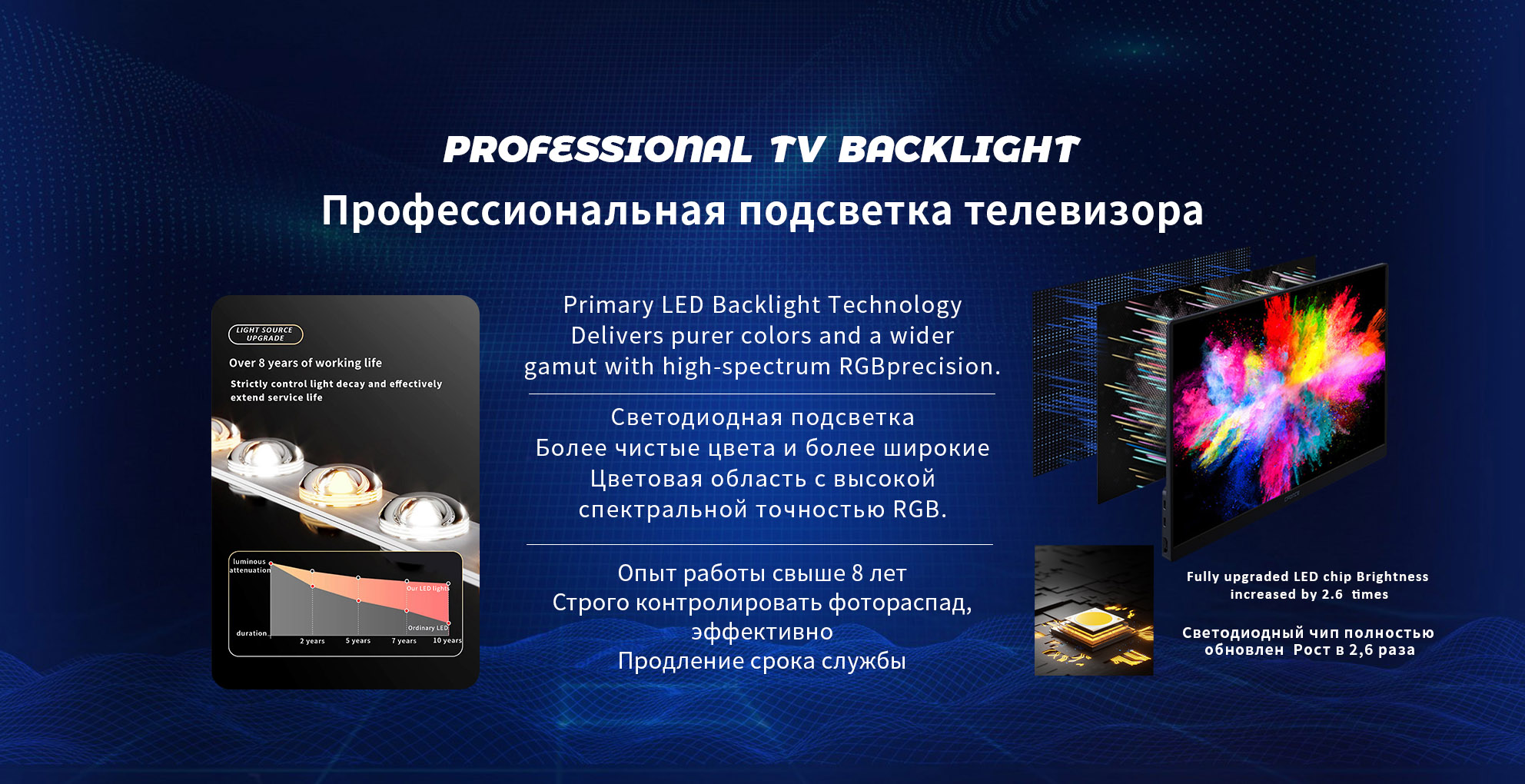
Led Backlight Strips can fail because of LED degradation, excessive operating stress, heat, solder-joint problems or deterioration of other components in the backlight system. tv backlight strip failure does not always produce a completely dark screen. Uneven illumination, flickering, dark areas or a picture that disappears shortly after startup can also indicate a backlight-related problem.
What Happens When an LED Begins to Fail?
LEDs gradually experience changes during operation. Heat and electrical stress can accelerate degradation, while an individual defective LED may interrupt the operation of part of the backlight circuit.
The visible symptom depends on how the LEDs and strips are electrically arranged. One damaged component can sometimes affect more than one illuminated area.
That is why troubleshooting should identify the actual failing component instead of assuming that every dark-screen problem has the same cause.
Heat Can Shorten Backlight Service Life
LED performance is closely related to thermal conditions. Heat generated during operation needs to be transferred away from the LEDs effectively.
Poor thermal contact, prolonged high-temperature operation or excessive drive conditions can increase stress on the backlight assembly. Over time, this may contribute to brightness degradation or premature component failure.
For replacement strips, PCB condition and correct installation should therefore be considered alongside LED quality.
Why Do Bright Spots Sometimes Appear?
Not every backlight problem is an electrical failure. Optical lenses are positioned over LEDs to distribute light across the panel.
When a lens becomes loose, shifts from its intended position or separates from the strip, light may concentrate in one area and appear as a bright spot. The LED may still operate normally even though screen illumination becomes visibly uneven.
This makes lens positioning and attachment important manufacturing inspection points.
Should Only the Failed LED Be Replaced?
Repair strategy depends on the condition of the complete backlight set. Replacing only one failed LED can restore operation, but the remaining LEDs may have experienced similar operating hours and thermal conditions.
Where several strips show aging or inconsistent brightness, replacing a complete matched set may provide more uniform performance.
Technicians should evaluate the condition of the system rather than assuming that a single-component repair is always the best solution.
What Can Reduce Failure Risk?
Several factors contribute to more dependable replacement performance:
Correct electrical specification
Stable LED characteristics
Suitable PCB construction
Accurate soldering
Secure optical lens positioning
Appropriate thermal contact
Matching replacement configuration
A reliable backlight strip supplier should consider both material selection and process consistency because many failure risks originate from the interaction between components.
Failure Analysis Helps Improve Purchasing
When repeat failures occur, recording the strip reference, failure location and operating symptom can provide useful sourcing information.
Rather than treating all LED backlight strips as interchangeable replacement parts, buyers should maintain accurate model records and verify electrical and structural requirements before volume ordering.
Understanding whether a problem is related to LEDs, optical components, installation or the wider backlight circuit allows replacement decisions to target the real cause. This reduces unnecessary product changes and creates a stronger basis for evaluating long-term strip performance.