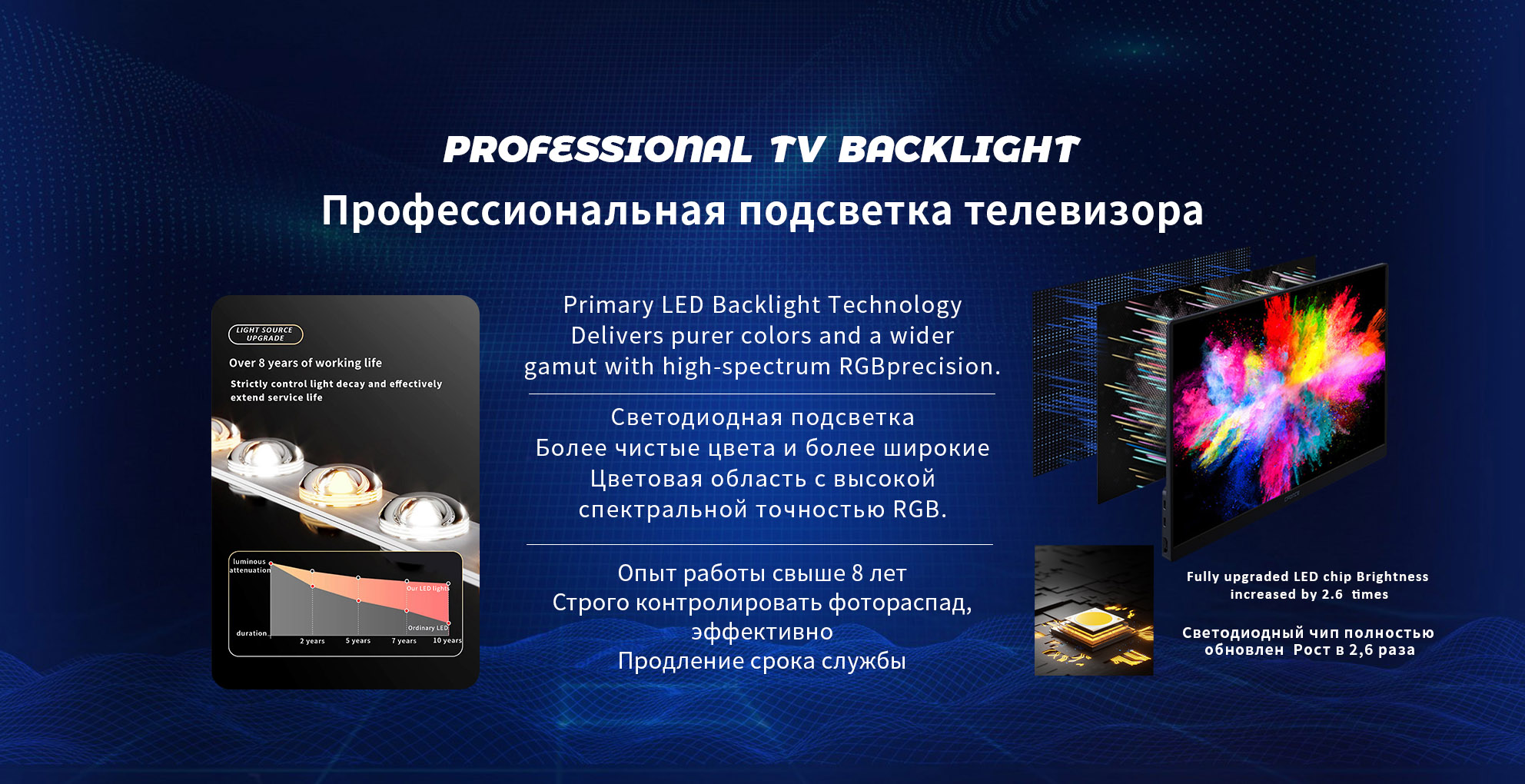
Matching a tv backlight strip by part number is more reliable than selecting a replacement by screen size alone. Printed PCB codes can identify a specific strip family or revision, but one television may still have several compatible references. Buyers should combine the printed number with panel information, strip dimensions, LED layout and connector details before confirming a bulk order.
Where Can the Part Number Be Found?
Identification codes are usually printed directly on the backlight PCB. A strip may contain several sets of letters and numbers referring to PCB design, production revision or other specification information.
Rather than sending only one short code, photograph the entire printed area. This gives the supplier more information to compare.
Useful sourcing information includes:
| Identification Detail | Why It Matters |
|---|
| PCB code | Narrows the strip reference |
| TV model | Provides application context |
| Panel model | Distinguishes display versions |
| Strip length | Confirms physical structure |
| LED quantity | Helps identify configuration |
| Connector | Confirms installation design |
A clear backlight strip part number is the starting point, not the only compatibility check.
Why Can One Strip Have Several Numbers?
PCB markings may contain design numbers, revision codes and production information. Similar strips may also appear under more than one reference when the same structural design is associated with different applications.
This is why matching only a fragment of the printed code can produce errors.
When multiple numbers appear, keeping all markings in the inquiry gives the factory more evidence for cross-checking.
Can Different Part Numbers Be Compatible?
Sometimes different references can represent equivalent or closely related configurations, but compatibility should be verified rather than assumed.
Compare the candidate product with the original strip in these areas:
PCB length and width
Number and position of LEDs
Lens shape and spacing
Mounting-hole locations
Connector type and position
Electrical configuration
Number of strips in the set
A physical match without electrical compatibility is insufficient, while an electrically similar strip must still fit the panel correctly.
What If the Original Number Cannot Be Read?
Older or damaged strips may have incomplete markings. Identification is still possible using other information.
Provide clear photos of the complete strip, both ends and connector. Measure the PCB and count the LEDs. Panel information can further narrow the possible configuration.
Where uncertainty remains, sending an original sample provides a direct reference for physical comparison.
How Should Part Numbers Be Managed for Repeat Orders?
Once a replacement has been verified, create an internal SKU linking the original code, approved replacement reference and relevant application.
This is particularly useful for distributors managing hundreds of visually similar strips. Repeat purchasing becomes faster because the identification work does not need to start again with every order.
As a replacement TV strip supplier, we can use complete reference information to reduce specification errors before production.
Accurate part-number matching ultimately combines codes with physical and electrical evidence. Maintaining these verified relationships creates a cleaner replacement catalog and reduces wrong-model inventory as purchasing volume grows.