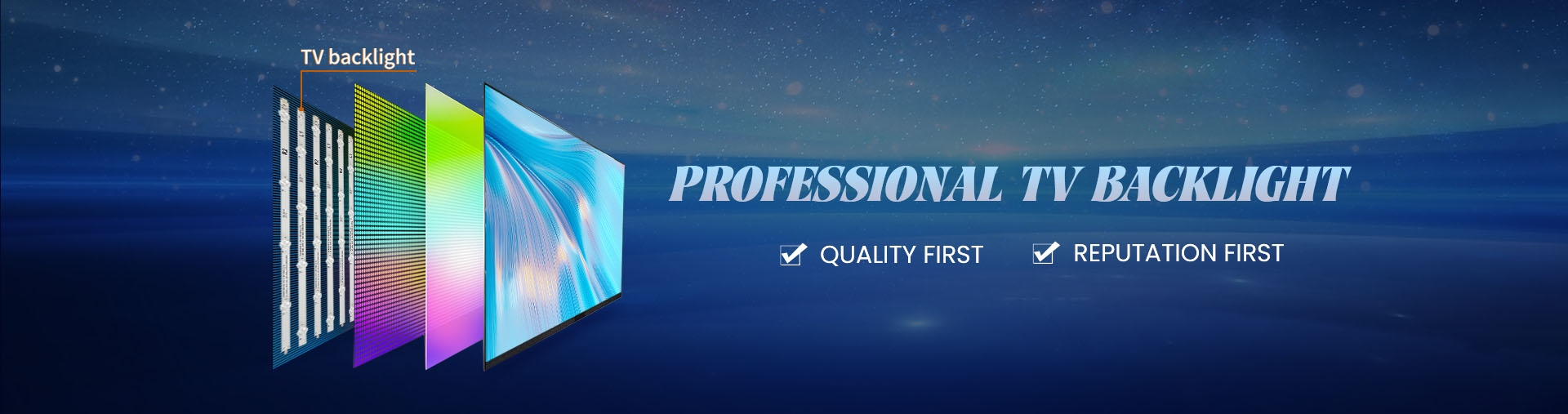
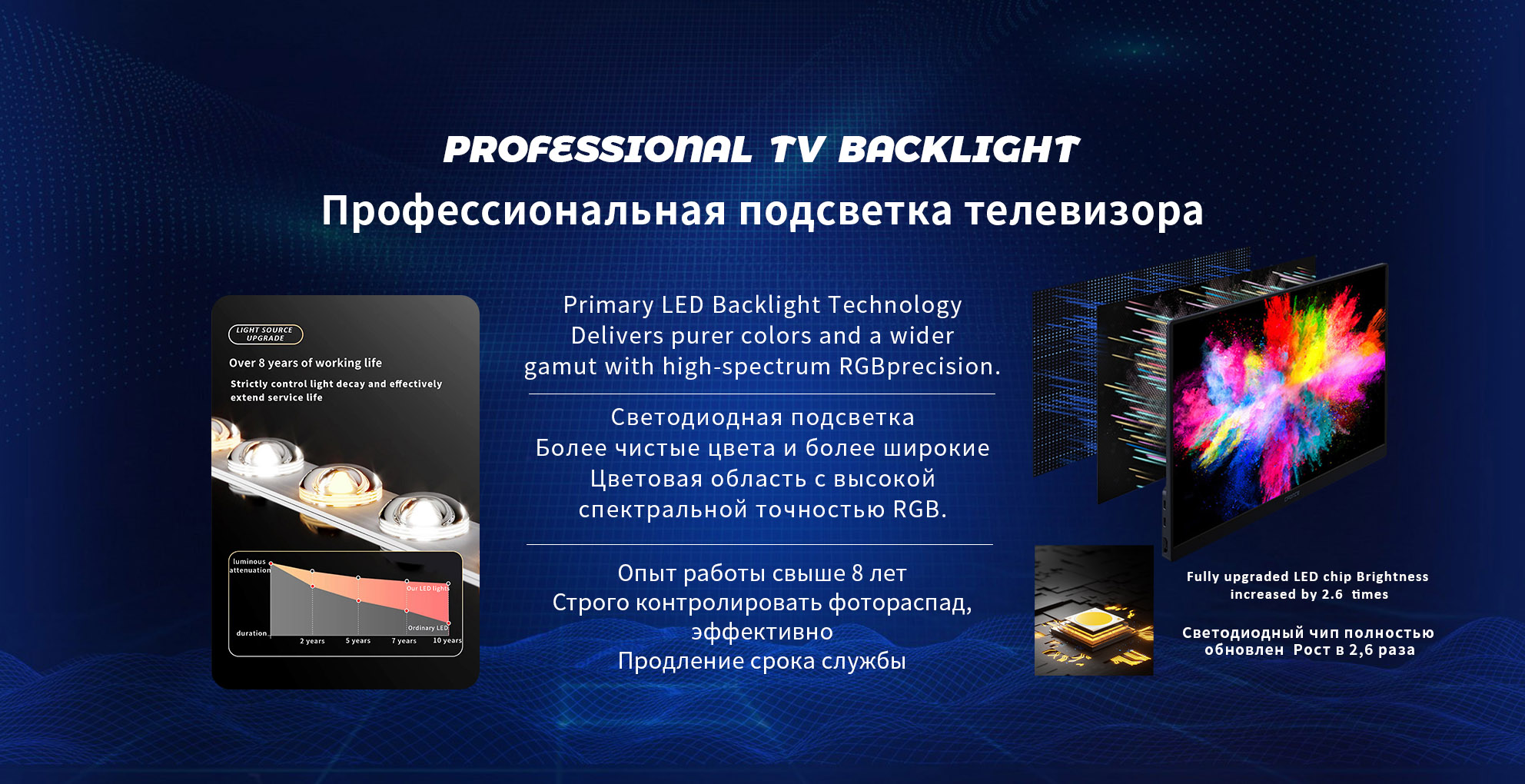
Uneven tv backlight brightness can result from aging LEDs, failed light sources, shifted optical lenses, incorrect replacement strips or problems within the panel's light-distribution structure. The visible symptom may appear as bright areas, darker zones or inconsistent illumination across the screen. Finding the cause requires checking both the led strips and the optical components surrounding them.
Start by Identifying the Pattern on the Screen
The location and shape of uneven illumination provide useful clues.
A small concentrated bright area can indicate a lens problem. A darker section may relate to weak or non-operating LEDs. Wider brightness differences can involve strips with different output characteristics or incorrect replacement specifications.
The visible pattern alone cannot confirm the cause, but it helps determine which area should be inspected first.
Aging LEDs Can Produce Different Light Output
LED performance changes with accumulated operating time and thermal stress. Older LEDs may no longer produce the same output as newly installed components.
This becomes particularly noticeable when one new strip is installed beside several heavily used original strips.
The new section can appear brighter even when the replacement is technically compatible.
For older backlight assemblies, this is one reason technicians may consider replacing a matched set instead of one strip.
Lens Position Can Create Bright Spots
Optical lenses spread light from individual LEDs over a wider area. Correct positioning allows neighboring light patterns to blend.
When a lens shifts, becomes loose or is installed incorrectly, concentrated illumination may become visible on the screen.
The LED can still work electrically, meaning a simple lighting test may not reveal the optical problem. Visual inspection of lens position is therefore important during manufacturing and repair.
Can the Wrong Replacement Strip Cause Uneven Light?
Yes. Similar-sized PCBs can contain different LED quantities, lens spacing or light-output characteristics.
A strip may physically install correctly yet interact differently with the panel's diffusion structure.
For a tv led backlight replacement, buyers should verify PCB code, LED arrangement and optical configuration rather than relying solely on length.
What Should Be Checked During Troubleshooting?
Use a sequence that separates electrical and optical causes:
Check LED operation first.
Identify dark or abnormal LEDs across the complete set.
Compare strip brightness.
Look for obvious differences between old and replacement strips.
Inspect every lens.
Confirm lenses remain centered over their LEDs.
Verify replacement references.
Make sure all installed strips belong to the correct configuration.
Inspect optical layers.
Incorrectly positioned diffusion materials can also affect illumination.
Working through these areas is more useful than automatically blaming the LED itself.
How Can Buyers Reduce Uneven-Brightness Complaints?
Consistent replacement sourcing begins with accurate models and stable production specifications. LED selection, soldering and lens positioning should remain controlled across batches.
A quality backlight strip supplier should also distinguish similar PCB revisions carefully before volume production.
For distributors, recording which strips belong to complete matched sets helps avoid mixing specifications in inventory. Addressing uneven TV backlight brightness requires the electrical and optical system to be considered together, resulting in more reliable replacements and fewer repeat service problems.