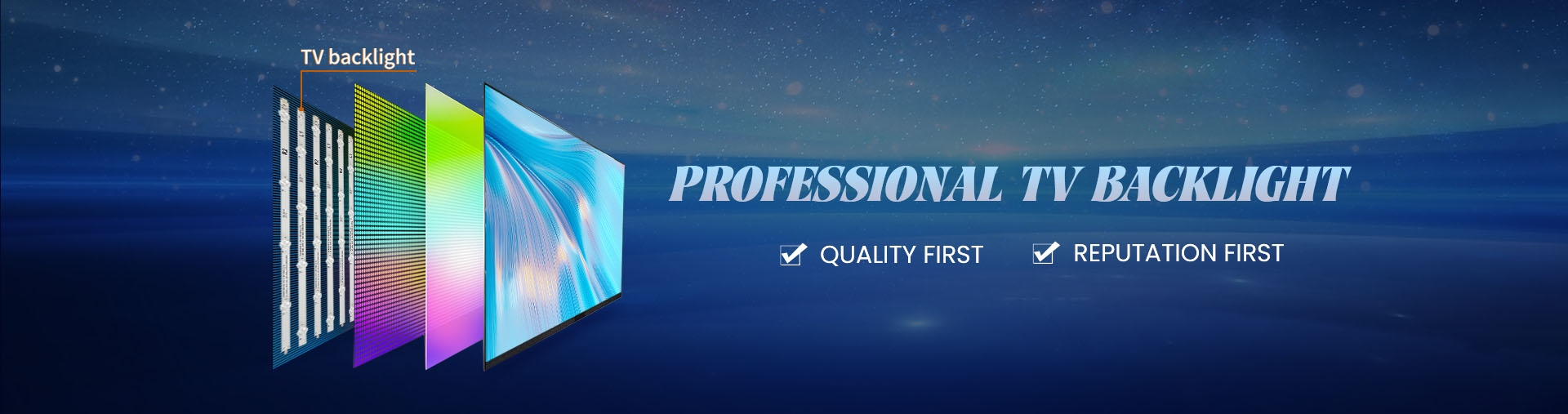
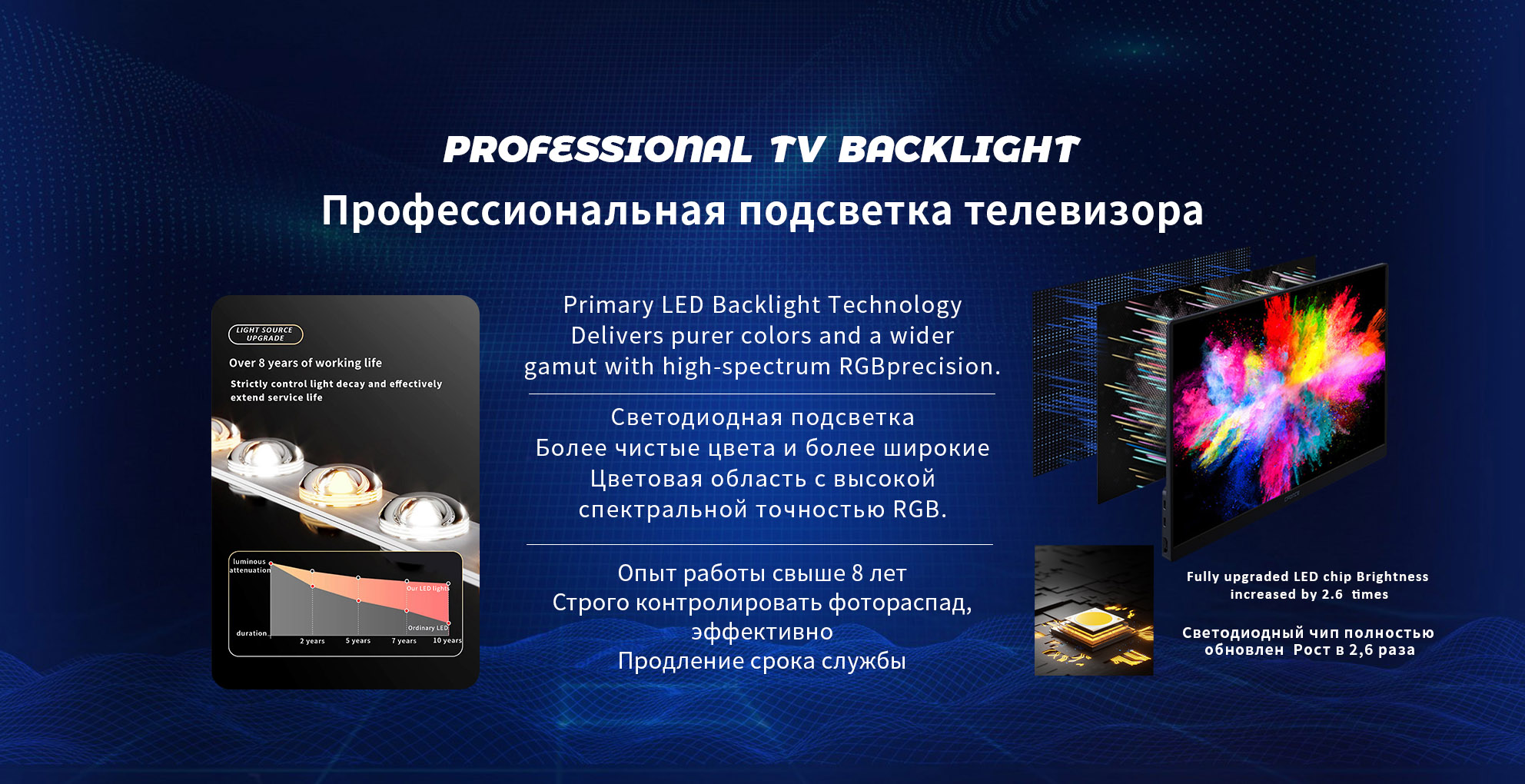
Dark spots appearing after backlight replacement usually indicate that light is not being distributed evenly across part of the LCD panel. Replacement backlight strips may be electrically operational while still producing poor illumination because of incorrect lens positioning, mismatched strip specifications, installation errors or displaced optical layers. The repair should therefore be checked as a complete lighting system.
Why Can Dark Spots Remain After New Strips Are Installed?
Installing new LEDs solves failed-light-source problems, but it does not automatically correct every cause of poor screen uniformity.
The backlight interacts with lenses, reflectors and diffusion layers. If any of these components are incorrectly positioned during reassembly, light may not spread as intended.
This explains why a television can illuminate after repair while still displaying visible dark areas.
Check Whether Every LED Is Operating
The first step is confirming that all LEDs within the replacement set illuminate.
One defective LED can create a darker local area. A connector or assembly issue may also prevent an individual strip from working correctly.
Testing the strips before completing panel assembly can save substantial rework because the backlight can be inspected more easily while accessible.
Look Closely at the Optical Lenses
Each LED lens controls how concentrated light spreads into the space behind the LCD.
A lens that is off-center, damaged or loose changes the illumination pattern. Instead of spreading light evenly, the affected area may become darker while neighboring areas appear brighter.
Lens condition deserves separate inspection even when LEDs pass electrical testing.
Could the Replacement Model Be Wrong?
Two strips can share similar dimensions while using different LED positions or lens arrangements. Installing such a product may change the light pattern across the panel.
The original PCB reference should therefore be compared with the proposed replacement along with:
Incorrect product matching is an important potential cause of tv backlight dark spots after repair.
Optical Layers Can Also Move During Installation
LCD backlight assemblies contain sheets and optical materials positioned in a specific sequence. These components help reflect, diffuse and direct the light.
Panel disassembly can shift or contaminate these layers. Improper reassembly may then create shadows or irregular illumination even when the strips themselves are correct.
| Symptom | Area to Inspect |
|---|
| Small dark zone | Individual LED or lens |
| Dark horizontal area | Strip operation |
| Uneven large region | Strip matching or optical layers |
| Bright and dark spots | Lens positioning |
| Problem after reassembly | Optical layer placement |
Prevent Problems Before Final Assembly
Replacement products should be verified and tested before the LCD panel is completely reassembled. This makes it easier to detect non-working LEDs, incorrect strips and visible illumination differences.
For volume sourcing, a replacement backlight parts supplier should receive accurate original references so compatible products can be confirmed before shipment.
Dark spots should not automatically be treated as proof that new strips are defective. Electrical operation, lens placement, product compatibility and optical-layer installation all influence the final result. Checking these areas systematically helps technicians identify the actual cause and helps purchasing teams distinguish product issues from installation-related complaints.