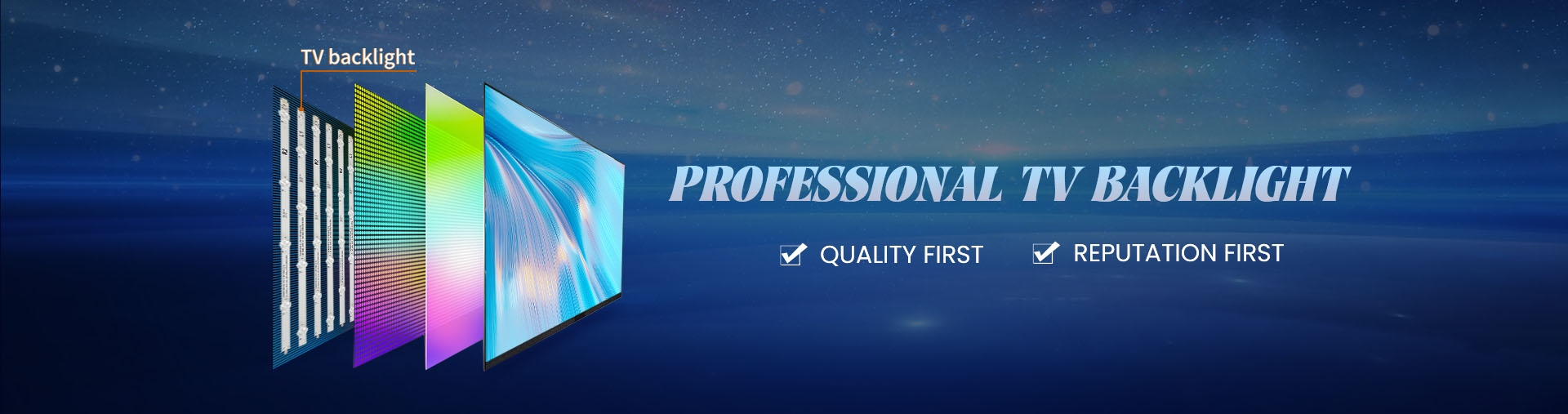
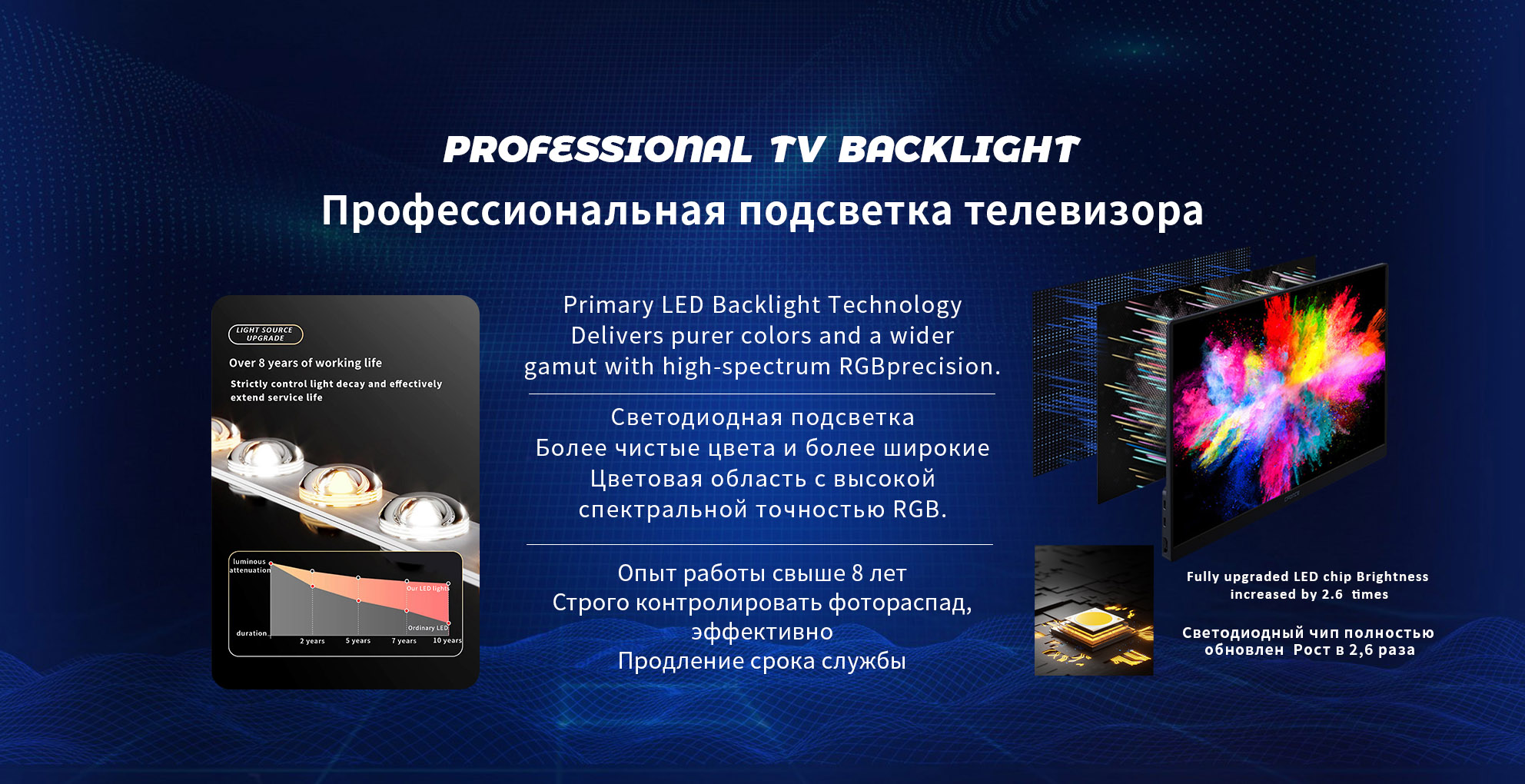
Choosing the right tv backlight strip requires matching the original television's electrical specifications, physical dimensions, and lighting structure. Screen size alone cannot determine compatibility. A suitable replacement must have the correct LED voltage, strip length, connector position, lens arrangement, and mounting points to provide stable illumination without damaging the backlight circuit.
Which Specifications Matter Most?
The first consideration is whether the television uses direct-lit or edge-lit backlighting. Direct-lit designs position LEDs behind the display panel, while edge-lit systems distribute light from the sides through a light guide.
After identifying the structure, compare the original strip with the replacement specifications.
| Parameter | What to Check |
|---|
| LED voltage | Individual LED rating and circuit design |
| Strip length | Exact PCB length and mounting position |
| LED quantity | Number and arrangement of LEDs |
| Connector | Shape, position, and polarity |
| Optical lens | Diameter, spacing, and light distribution |
| Set quantity | Number of strips required per television |
These details help determine whether replacement led tv backlight strips will operate correctly within the original system.
Why Is Voltage Matching Important?
television backlights commonly use LED packages with different forward-voltage ratings, including 3V and 6V designs. However, the voltage across an entire strip depends on how its LEDs are electrically connected.
Installing an electrically incompatible strip may prevent startup, create abnormal brightness, or place additional stress on the driver circuit.
Therefore, the correct approach is to verify both the individual LED specification and the electrical arrangement rather than relying on a single voltage label.
Does Backlight Material Affect Performance?
The PCB substrate plays an important role in transferring heat away from the LED chips. Aluminum-based boards are widely used because they provide a practical thermal path when correctly mounted against the television's metal frame.
Optical lenses are equally important. Their shape and spacing determine how light spreads across the diffuser assembly. Poorly matched lenses can produce visible bright spots even when the replacement LEDs operate normally.
From a manufacturing perspective, consistent soldering, controlled LED positioning, and accurate lens attachment are essential for maintaining uniform performance between production batches.
How Should Replacement Strips Be Selected?
A practical method to choose correct tv backlight strip specifications is to collect the original PCB code, revision number, dimensions, LED count, and clear photographs before selecting a replacement.
Where several similar models exist, physical comparison and electrical verification are more reliable than selecting solely by television model name.
For wholesale orders, sample verification also helps confirm installation accuracy before larger quantities are released.
What Makes a Replacement Reliable?
Reliable replacement performance depends on compatibility rather than the highest advertised brightness or power rating. Excessive LED output cannot compensate for incorrect lens spacing or unsuitable electrical characteristics.
When evaluating a wholesale TV backlight strip supplier, technical specifications, model identification, and batch consistency should be considered together.
The safest selection is a strip that reproduces the original electrical arrangement and optical geometry. Accurate matching reduces installation difficulties, uneven illumination, and unnecessary replacement costs.
Complete specification records also make future replenishment easier, especially when multiple television models share similar-looking components.